
When discussing Sebastian Vettel’s career, two championship seasons often stand out: 2010 and 2012. Both years reflect remarkable performances that cemented his place among Formula One s elite drivers. But which season truly showcased a superior display of racing prowess when measured statistically? This article delves deep into comparing the two title-winning years, revealing nuances that may redefine how we view Vettel’s legacy.
Context of the 2010 Season: A Rookie Champion s Rise
In 2010, Sebastian Vettel entered the Formula One season with Red Bull Racing as a rising star. It was his first championship-winning campaign, and he did not just win he dominated in clutch moments. Vettel became the youngest-ever Formula One World Champion at just 23 years of age, a landmark achievement that sent ripples through the sport.
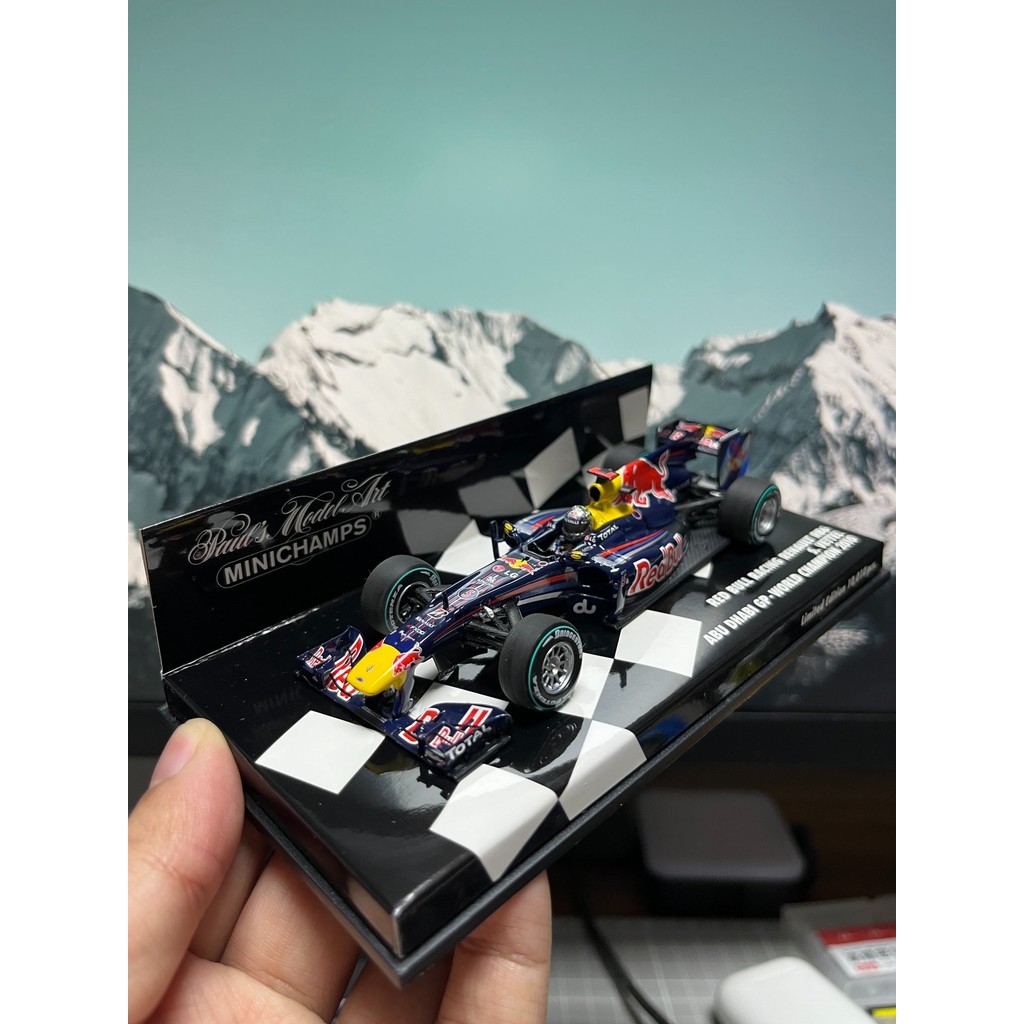
That season was notable for intense battles among four title contenders: Vettel, Fernando Alonso, Mark Webber, and Lewis Hamilton. Unlike moments of clear dominance, the 2010 title fight was a rollercoaster, with each driver exchanging laps and leads throughout the year. Vettel clinched the championship at the final race of the season in Abu Dhabi, showcasing both grit and nerves under pressure.
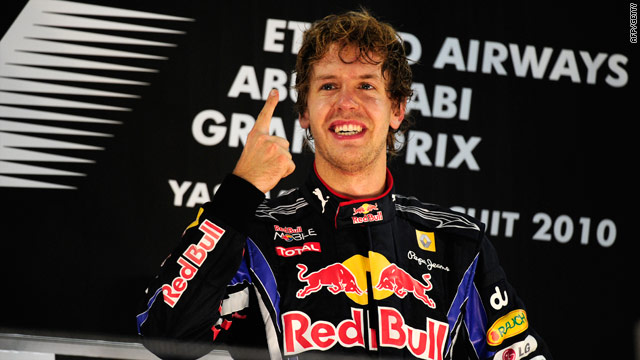 Statistically, Vettel’s 2010 campaign included 5 race wins and 10 podiums in 19 races, securing 256 points a haul that reflected consistent performance but not sheer race dominance. His ability to convert pole positions to victories was high, and more impressively, he won four consecutive races late in the season, exemplifying a common trait of champions: peaking at the right time.
The 2012 Season: A Battle-Hardened Champion in a Sharper Title Fight
Two years later, 2012 brought one of the most intense and unpredictable Formula One title battles in recent memory. Vettel, now driving for Red Bull Racing with the experience of a reigning champion, faced fierce competition from Fernando Alonso and a resurgent McLaren team.
The 2012 championship was statistically compelling in its closeness. Vettel’s victory tally was 5 wins again, matching 2010, but what set this year apart was the extraordinary number of podium finishes and points accumulation with numerous second and third places. Ultimately, Vettel amassed 281 points in a 20-race season, an increase indicative of a more consistently high-performing campaign.
The statistical narrative of 2012 leans heavily on Vettel’s resilience and strategic race craft. He won’the title with a narrow margin of just 3 points over Alonso, confirming that never-before had his season been more precisely calibrated against a determined challenger. His ability to maximize the car s performance across varied circuits was critical.
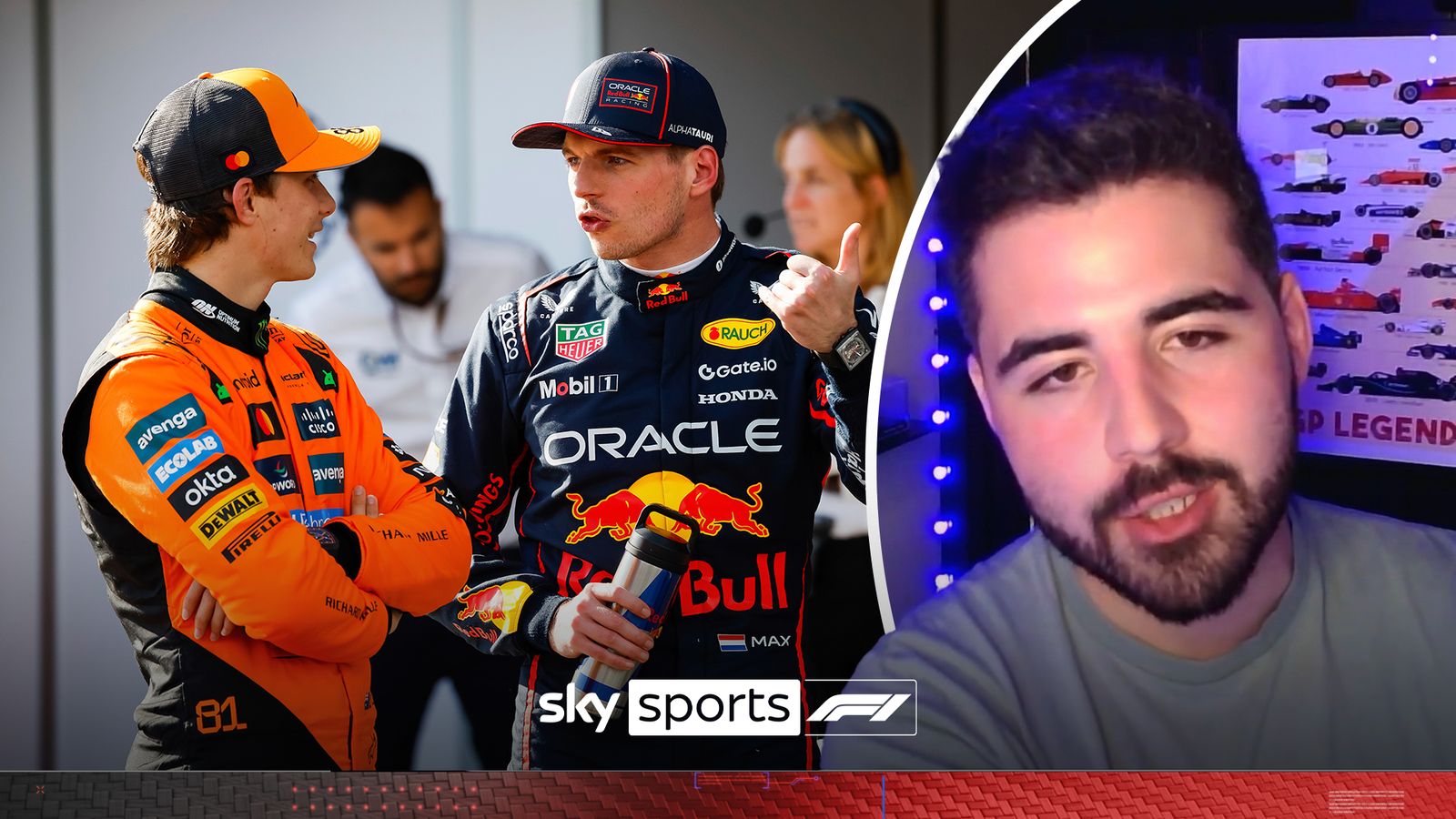 Additionally, Vettel’s qualifying metrics were impressive. He often clinched key poles that gave him track position advantage but also demonstrated tactical prowess during races, often managing tire wear and race pace against formidable pressure.
Key Statistical Comparisons: Wins, Podiums, Poles, and Points
Breaking down the raw numbers provides useful insights:
- Race Wins: Both seasons had Vettel’securing 5 race wins, indicating a consistent ability to convert opportunities into victories.
- Podiums: Vettel’stood on the podium 10 times in 2010 out of 19 races, whereas in 2012, he reached the podium 10 times out of 20 races as well, reflecting sustained high-level performance.
- Points: A stark contrast appears in points 2010 yielded 256 points; 2012 saw an upgraded tally of 281 points, amplified by the expansion of the points system and Vettel’s consistent podium runs.
- Qualifying Poles: In both seasons, Vettel demonstrated strong qualifying pace, particularly in 2011 and 2012, where poles became a significant part of his winning formula. Although the 2010 data remains impressive, 2012 saw more frequent pole positions, aiding his race-day control.
These data points collectively hint that while 2010 was a breakout season marked by youthful exuberance and clutch performances, 2012 epitomized refined consistency, sharp race intelligence, and adaptability.
Competitive Environment and Technical Challenges
Another dimension to consider is the competitive landscape during the two seasons. The 2010 championship was a classic four-driver battle under relatively stable regulations. Vettel was up against Fernando Alonso, the defending champion and a master tactician, alongside other front runners like Mark Webber and Lewis Hamilton.
In contrast, 2012 witnessed evolving regulations around aerodynamics and tire usage, requiring drivers and teams to continuously adapt during the season. Ferrari and McLaren presented strong challenges, and Vettel faced a relentless Alonso, who arguably drove beyond his car s capabilities throughout the year.
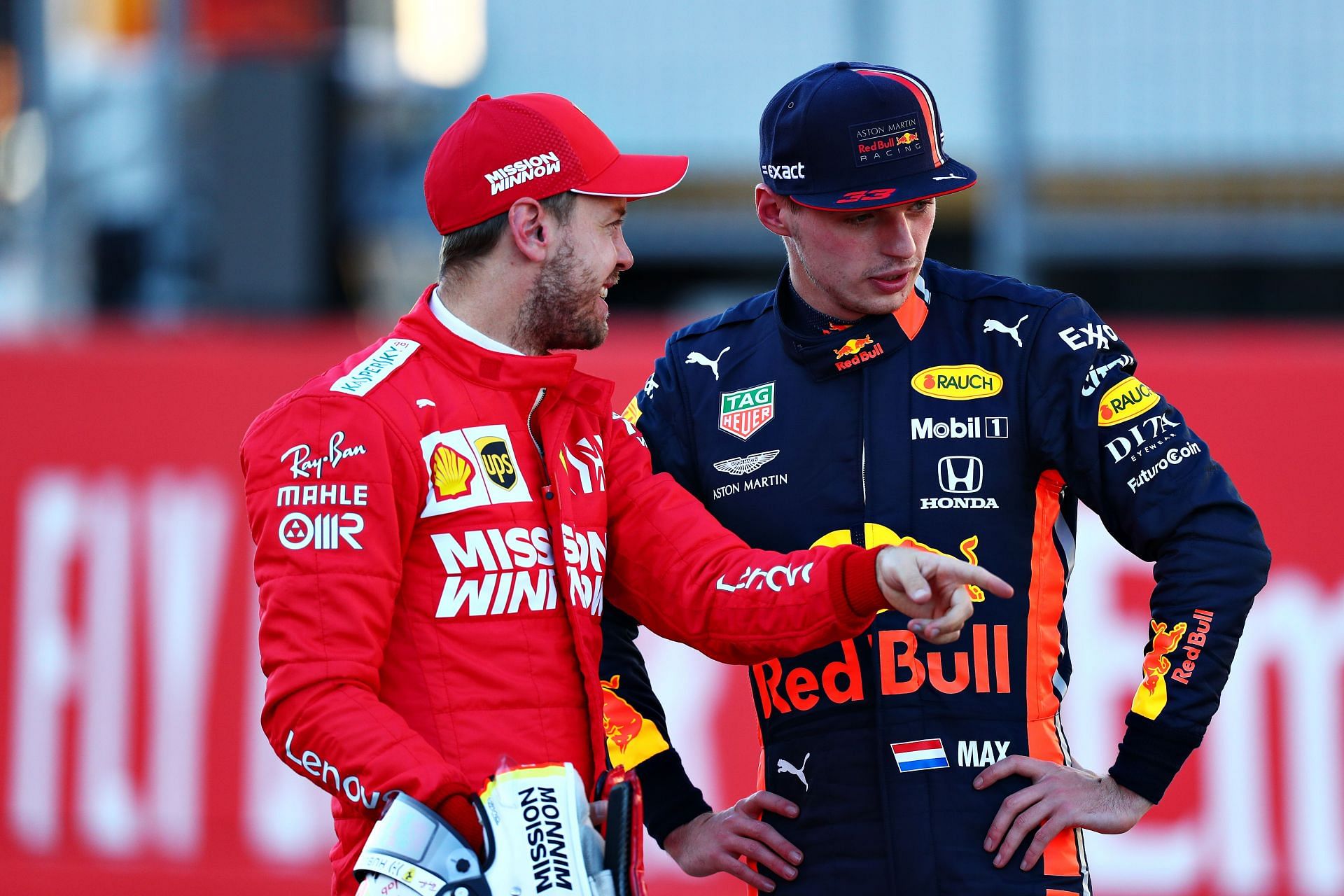 Vettel’s ability to navigate these shifting technical and competitive demands in 2012 arguably reflected a mature champion capable of deft strategic management. The nuances of tire strategy, pit stop timing, and car development all played considerable roles that year.
Psychological Resilience and Racecraft
Both seasons demanded immense mental strength, but the nature of that mental pressure varied. 2010 s final weekend, with Vettel’sealing the title in Abu Dhabi by a mere 4 points, tested the nerves of a young champion stepping into the spotlight for the first time. His calmness under pressure and self-belief arguably lifted his game to another level.
In 2012, the psychological battle was prolonged across the entire season, with multiple lead changes and the looming threat of defeat hanging over Vettel in many races. His resilience manifested in clutch performances when competing head-to-head with Alonso, such as in Singapore and Brazil, where Vettel managed to stave off his closest rival.
Racecraft also evolved by 2012. The tactical defences, managing competing tire compounds, and extracting maximum performance in adverse conditions, showcased an experienced and strategically savvy driver. Comparably, 2010 saw flashes of brilliance but not the same consistent tactical mastery developed later.
Conclusion: A Shift in Perspective on Vettel’s Titles
So, which season was statistically superior the 2010 or the 2012 Vettel championship? While the initial impression might honor 2010 as the breakthrough year carrying outstanding emotional weight and youthful promise, a deeper statistical and contextual analysis reveals that 2012 arguably stands as a stronger and more evolved championship performance.
The 2012 season delivered higher points totals, equally strong win counts, and greater qualifying dominance while overcoming arguably more complex technical challenges and fiercer competition. Vettel demonstrated not only speed but also strategic excellence and psychological resilience over a prolonged battle. This suggests that, from a pure statistical and competitive context perspective, Vettel’s 2012 title season promises a shift in how we appreciate the depth of his racing acumen.
By reconsidering these details, fans and analysts alike might find a new appreciation for Vettel’s career trajectory admiring not just the victories but the refined mastery he developed to claim a second title that was every bit as impressive as the first, if not more so.


// Discussion