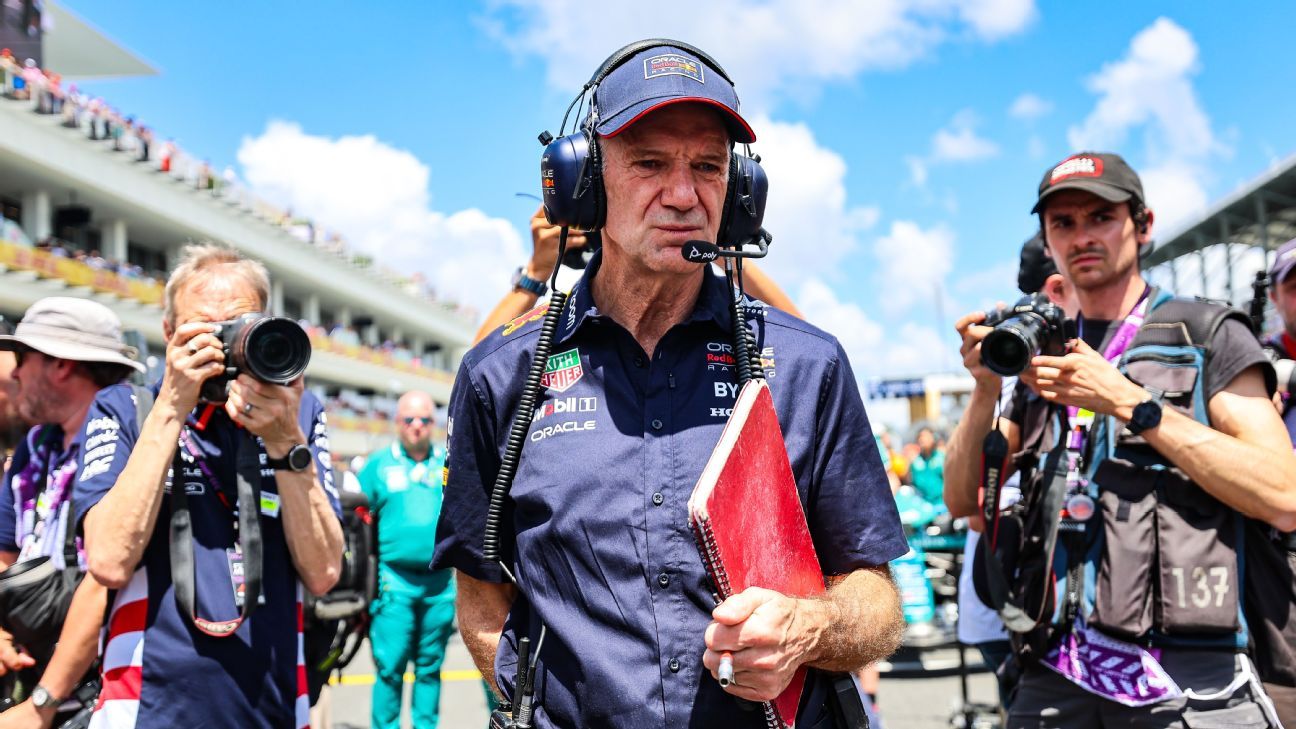
Adrian Newey, often hailed as a visionary in the world of Formula 1, is an engineering genius whose designs have shaped the sport’s modern era. Among his many masterpieces, the Red Bull RB6 stands out as one of the greatest F1 cars in history. This article delves deep into Newey s unique approach his pencil the creativity and technical prowess that forged the RB6 s legendary status. Readers will explore the significance of his impact on racing, the intricacies behind the RB6’s design, and the relentless innovation that propelled Red Bull Racing to the pinnacle of Formula 1.
Adrian Newey: The Mastermind Behind F1 Innovation
Adrian Newey s reputation in Formula 1 is not just a result of his technical skills but his ability to think creatively and innovate under constraints. Known as “the only bloke” who can quite literally draw a competitive car out of thin air, his process combines artistry with cutting-edge technology. With a background in aerodynamics and mechanical design, Newey’s approach centers around interpreting complex physical principles into elegant aerodynamic solutions. His sketches and detailed drawings sometimes referred to as his pencil work are the blueprint for each racing car he creates.
His impact is profound; multiple teams have sought his expertise, including Williams, McLaren, and, most notably, Red Bull Racing. Newey s arrival at Red Bull marked a turning point for the team, which transitioned from midfield runners to dominant champions. His design philosophy is nuanced, focusing not only on raw speed but also reliability and adaptability across different circuits and conditions.
The Birth of the Red Bull RB6
The Red Bull RB6, launched for the 2010 Formula 1 season, is often lauded as one of the greatest F1 cars ever made. At a glance, it embodied sleekness and sophistication, but beneath its aerodynamic surface lay a masterclass in engineering innovation. The RB6 was not just designed to be fast but to consistently outperform rivals through superior downforce, stability, and efficiency.
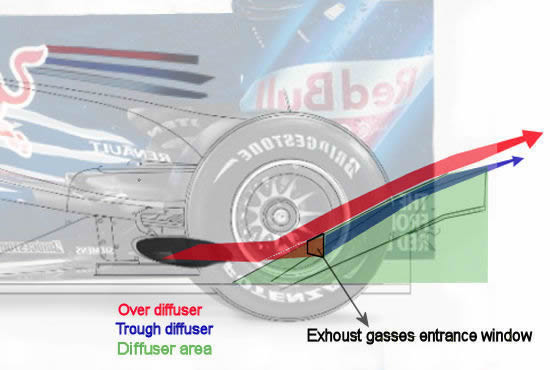
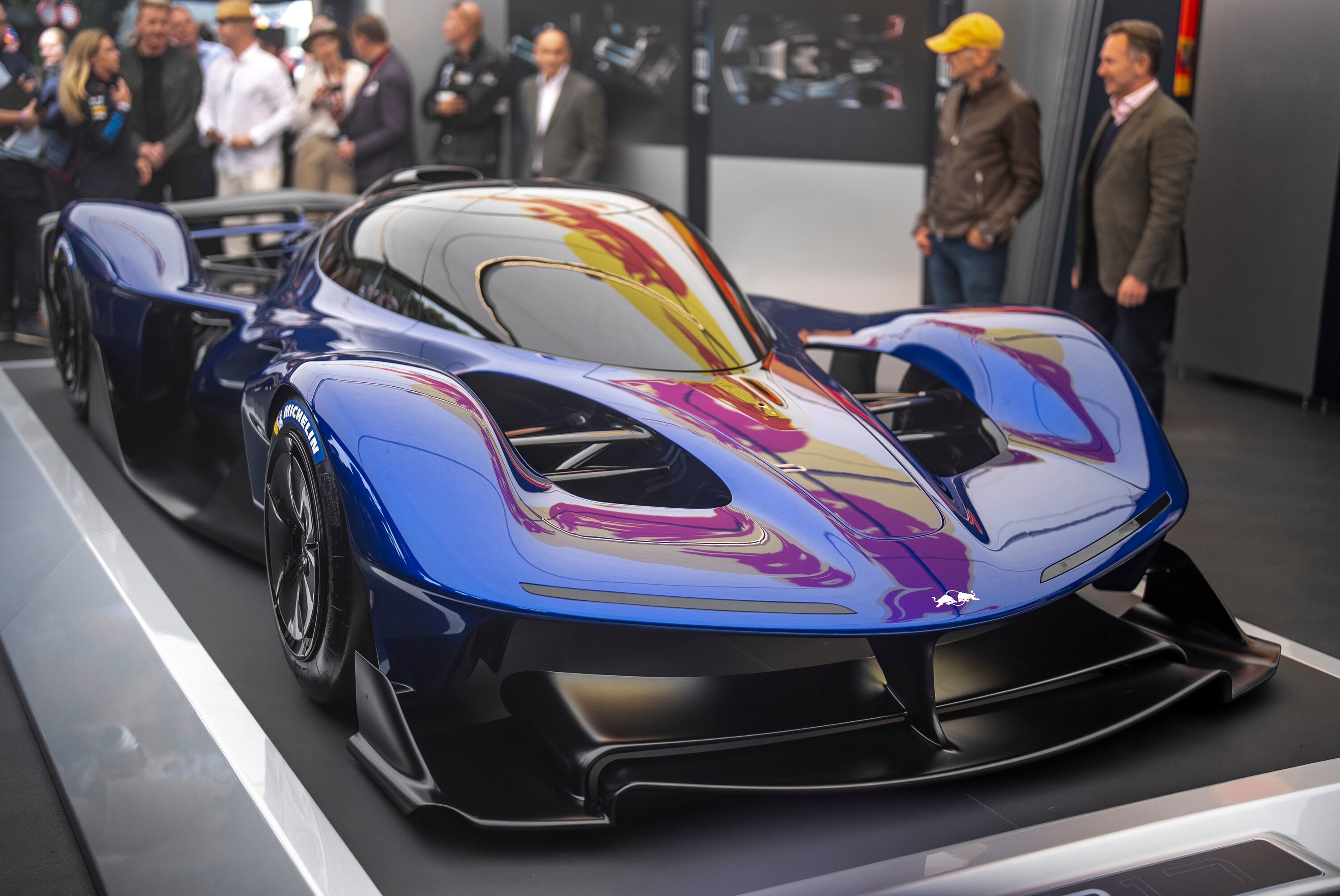 The brilliance of the RB6 lay in Newey s decision to focus on intricate aerodynamic improvements particularly around the car s floor and diffuser which resulted in unprecedented levels of downforce. This downforce allowed the car to maintain grip while cornering at extreme speeds, ultimately slashing lap times. Despite strict FIA regulations intended to limit aerodynamic advantages, the RB6 proved that innovation could find new avenues without breaching rules.
Equipped with a well-balanced chassis and an engine optimized for consistent power delivery, the RB6 benefited from a holistic design approach. Newey s ability to harmonize the various car components ensured that the RB6 handled beautifully and was adaptable for different tracks, weather, and tire conditions. This adaptability was crucial during the 2010 season, where Red Bull clinched the World Constructors’ Championship and Sebastian Vettel claimed his first Drivers’ Championship with this machine.
Newey s Design Philosophy: Precision Meets Creativity
Adrian Newey is renowned for blending precise engineering constraints with his unique artistic vision. His work begins with sketches the original pencil that translates abstract aerodynamic concepts into visible shapes and plans. This artistic step is essential because, while computational fluid dynamics (CFD) and wind tunnel testing are vital tools, these methods require a brilliant conceptual starting point.
The RB6 benefited greatly from Newey s emphasis on innovative wing and bodywork configurations. He challenged the conventional designs of front and rear wings, playing with bargeboards and turning vanes to streamline airflow and reduce drag. The introduction of the F-duct system in later Red Bull designs also aligned with this atmosphere of constant experimentation.
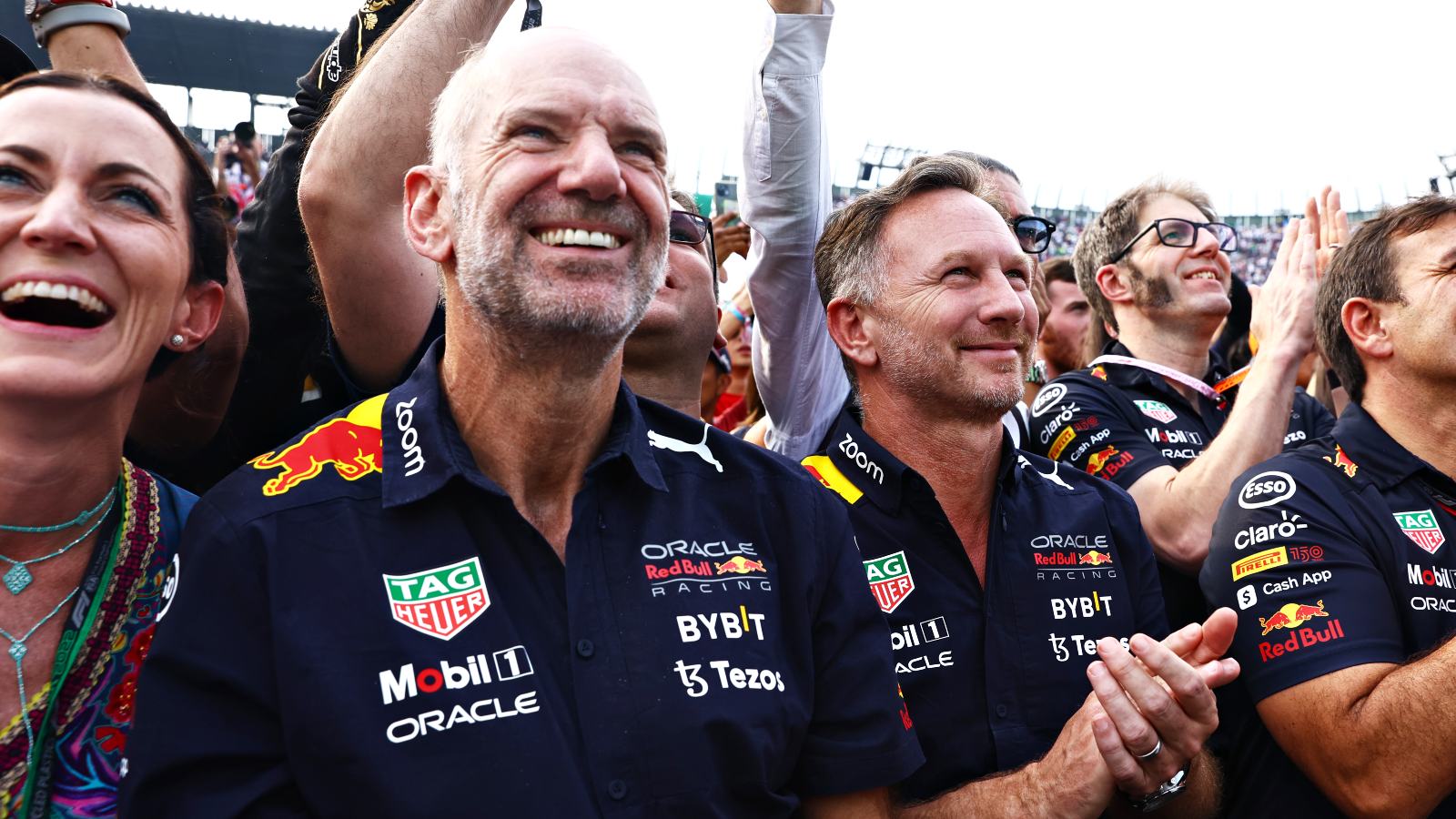 His approach requires a rigorous understanding of physics but also the intuition to foresee how incremental gains in airflow management can lead to substantial on-track performance improvements. Newey s collaboration with key team members, including drivers and engineers, ensures that the car s handling characteristics align with real-world driving conditions rather than just theoretical models.
Challenges and Innovations: Breaking the Mold
Designing the RB6 was not without challenges. Formula 1 s constantly evolving regulations restrict certain aerodynamic freedoms, meaning teams must find loopholes or introduce innovations that comply with the letter of the law while maximizing performance. Newey s genius was not only to invent new features but to anticipate regulatory trends and engineer solutions accordingly.
One notable innovation was the use of the car s floor and diffuser traditionally overlooked areas to generate massive downforce. This focus on ground effect technology harkened back to earlier eras of F1 but was executed with newfound sophistication. Material choices and manufacturing precision further enabled Red Bull to build a car that was not only fast but reliable over race distances, reducing the risk of mechanical failures that could jeopardize championship ambitions.
Moreover, Newey s understanding of tire behavior and suspension tuning allowed the RB6 to exploit Pirelli’s tires optimally throughout a stint, an area many teams struggled with during that season. The car s ability to maintain pace without excessive tire degradation was a crucial factor in Red Bull’s dominance.
Legacy of the RB6 and Adrian Newey s Pencil
The RB6 s success solidified Adrian Newey s legacy as one of Formula 1 s greatest engineers. His design philosophy using the pencil as a tool to pioneer groundbreaking performance continues to influence car development today. Long after the RB6 s season ended, its innovations became a benchmark for competitors.
Christian Horner, Red Bull Racing s team principal, has often highlighted Newey’s unparalleled impact, stating that Newey s creativity and technical genius are central to the team s achievements. The RB6 is a testament to what happens when visionary design meets rigorous engineering, proving that even in the world of high-tech motorsport, the humble pencil remains a powerful instrument for greatness.
Conclusion
Adrian Newey s pencil has sketched some of the most iconic machines in Formula 1 history, with the Red Bull RB6 standing as a pinnacle of his career. Through a fusion of creativity, precision engineering, and innovative problem-solving, Newey transformed complex aerodynamic theories into a championship-winning car. The RB6 not only redefined what was possible on the race track but also demonstrated the power of thoughtful, visionary design in motorsport. As future generations of engineers and designers look to break new ground, the legacy of Newey s RB6 remains a shining example of excellence in Formula 1 car design.

// Discussion