In the dynamic world of Formula 1, team strategies, driver decisions, and leadership changes often leave fans intrigued and eager for deeper insights. Among the many stories that have captured attention recently, Otmar Szafnauer s reflections on Sebastian Vettel’s tenure at Aston Martin present an intriguing narrative of unfinished business and evolving ambitions. This article delves into Szafnauer s perspective on Vettel’s time with the British team, the reasons behind key decisions, and what this all means for Aston Martin s future in the sport.
Otmar Szafnauer s Departure and What It Reveals
Otmar Szafnauer s exit from Aston Martin was met with considerable interest, given his pivotal role in the team’s development. Known for his hands-on approach and candidness, Szafnauer recently opened up about the circumstances surrounding his departure. While specifics remained tightly held, his statements hint at a mixture of strategic disagreements and differing visions for the team s future.
Szafnauer’s leadership was instrumental in Aston Martin s rebranding and competitive resurgence in Formula 1. However, as with many high-profile F1 teams, management often faces complex challenges balancing driver ambitions, technical innovation, and commercial pressures. His departure signaled a major shift, not just in personnel but in the team’s direction, which Suzafnauer hopes will eventually align better with core values and long-term success.
 The Unfinished Business: Vettel’s Aston Martin Chapter
Vettel’s move to Aston Martin was heralded as a new beginning after his illustrious championship-winning years with Red Bull Racing. However, Otmar Szafnauer suggests that Vettel’s time with the team carried more promise than what ultimately materialized. Despite flashes of brilliance, Vettel’s performance was hampered by a combination of mechanical issues, adaptation challenges, and shifting team dynamics. He Wanted More" is an apt expression for Vettel’s tenure a desire not just to race but to rekindle the competitive fire that had characterized his earlier career. Szafnauer stresses that Vettel’s unfinished business was as much about mutual expectations as it was about raw racing performance. The driver s quest for a car that could fight consistently at the front was never fully realized, and this gap left a sense of incompletion in the partnership.
Moreover, Szafnauer hints at deeper cultural and strategic shifts within Aston Martin that influenced Vettel’s experience. The evolving team philosophy under new ownership and leadership introduced new variables that shaped how Vettel’s role was perceived and executed on the grid.
Strategic Decisions: Signing Pierre Gasly and Team Evolution
Building a winning team requires tough decisions and Szafnauer explains his reasoning behind the pursuit of Pierre Gasly, another talented yet underappreciated driver in Formula 1. This move was part of a broader strategy to recalibrate the team s dynamics and inject fresh energy into the Aston Martin cockpit.
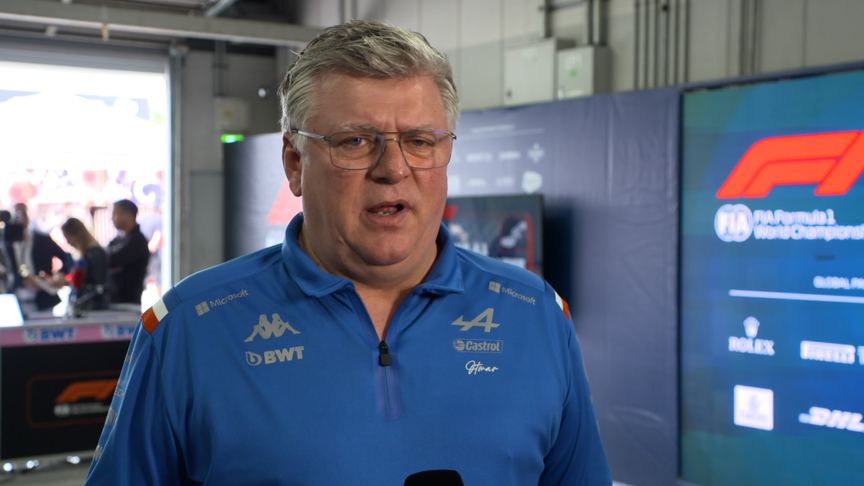 Szafnauer outlined three key reasons motivating the interest in Gasly: his proven adaptability, strong racecraft, and alignment with Aston Martin s evolving culture. Gasly s ability to deliver consistent performances under pressure complemented the team s technical progress and their long-term vision.
This strategic pivot was not about sidelining Vettel’s achievements but about preparing Aston Martin for a more cohesive and forward-looking future. The transition signaled a pragmatic acknowledgment that while Vettel’set important foundations, the next chapter required different ingredients to compete at the top level more reliably.
Otmar Szafnauer s Legacy and Financial Insight
Beyond race strategy and driver lineups, Szafnauer s role also involved navigating the complex financial and operational demands of a Formula 1 team. His net worth and salary reflect years of dedication to motorsport leadership, combining technical expertise with business acumen. As highlighted in detailed profiles, Szafnauer s skill set embodies the multidisciplinary nature essential for managing high-stakes global teams.
 His departure invites reflection on how crucial experienced leadership is to a racing team s prospects. The financial investment in driver talent, team infrastructure, and development pipelines must be complemented by clear strategic direction a balance Szafnauer both sought and occasionally challenged within Aston Martin s management framework.
Conclusion
Otmar Szafnauer s insights into Sebastian Vettel’s unfinished business at Aston Martin offer a fascinating glimpse into the intersecting forces that shape Formula 1 careers and team trajectories. His honest reflections highlight the complexities behind driver-team relationships and the often-unseen challenges of steering a racing outfit towards success.
While Vettel’s stint may not have fully met expectations, it laid important groundwork for Aston Martin s future ambitions a future now being sculpted by new leadership, fresh talent, and refined strategic goals. Szafnauer s story reminds us that in Formula 1, endings are rarely final, and every chapter is a setup for what s next.


// Discussion