In this article, readers will explore how Sebastian Vettel’sought to emulate Michael Schumacher’s incredible success in rebuilding Ferrari into a dominant force in Formula 1. We will delve into the challenges Vettel faced, his approaches to leadership on and off the track, the legacy Schumacher left behind, and Vettel’s efforts to restore Ferrari’s competitive edge. This comprehensive analysis is enriched with vivid images that capture pivotal moments from Vettel’s journey and Schumacher’s era, offering a well-rounded view of this remarkable pursuit.
The schumacher Era: A Legacy of Excellence
Michael Schumacher s time at Ferrari was marked by an extraordinary transformation. Taking over a team that had seen better days, Schumacher delivered unmatched commitment and exceptional driving skill that helped Ferrari climb to the top of Formula 1. Between 2000 and 2004, Schumacher won five consecutive World Drivers Championships, reinvigorating the scuderia with an aura of invincibility.
His approach was holistic, focusing not only on his own skills but fostering a team spirit and cooperation with engineers and mechanics. Schumacher was renowned for his capacity to give precise technical feedback which was crucial in developing the car. His relentless pursuit of perfection set the standard for all Ferrari drivers that followed.
 Vettel’s Arrival and Early Challenges at Ferrari
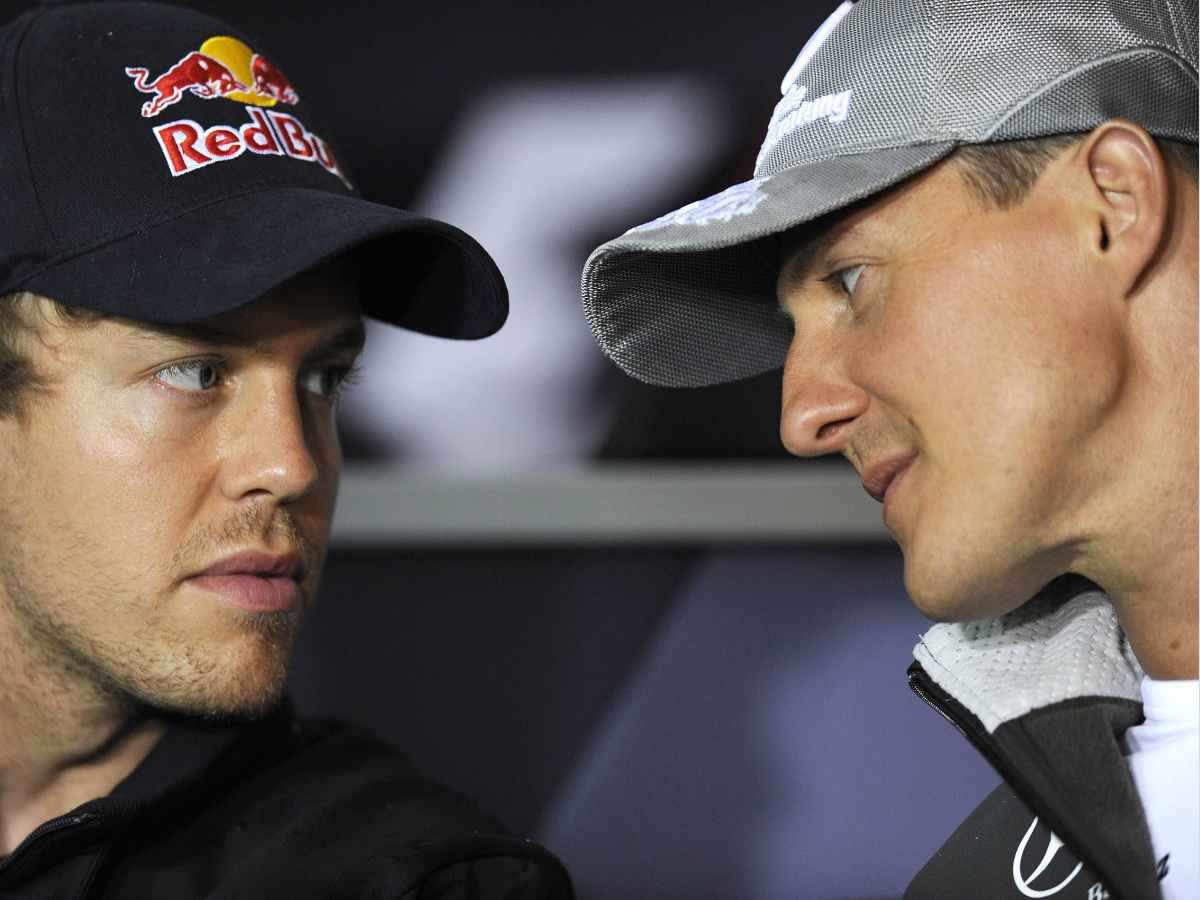
When Sebastian Vettel joined Ferrari in 2015, he entered a team still chasing the glory days of Schumacher. Vettel was well aware of Schumacher s impact and openly expressed his desire to replicate the German legend s successes. The pressure was immense, as Ferrari fans and management expected a revival under Vettel’s stewardship.
However, the task proved challenging. Unlike Schumacher s era, the competitive landscape had shifted, with Mercedes and Lewis Hamilton dominating. Ferrari’s technology and team dynamics were also undergoing transitions, making replicating past triumphs more difficult. Vettel faced the challenging job of not just winning races but rebuilding a culture and engineering excellence that had declined.
 Leadership and Technical Collaboration
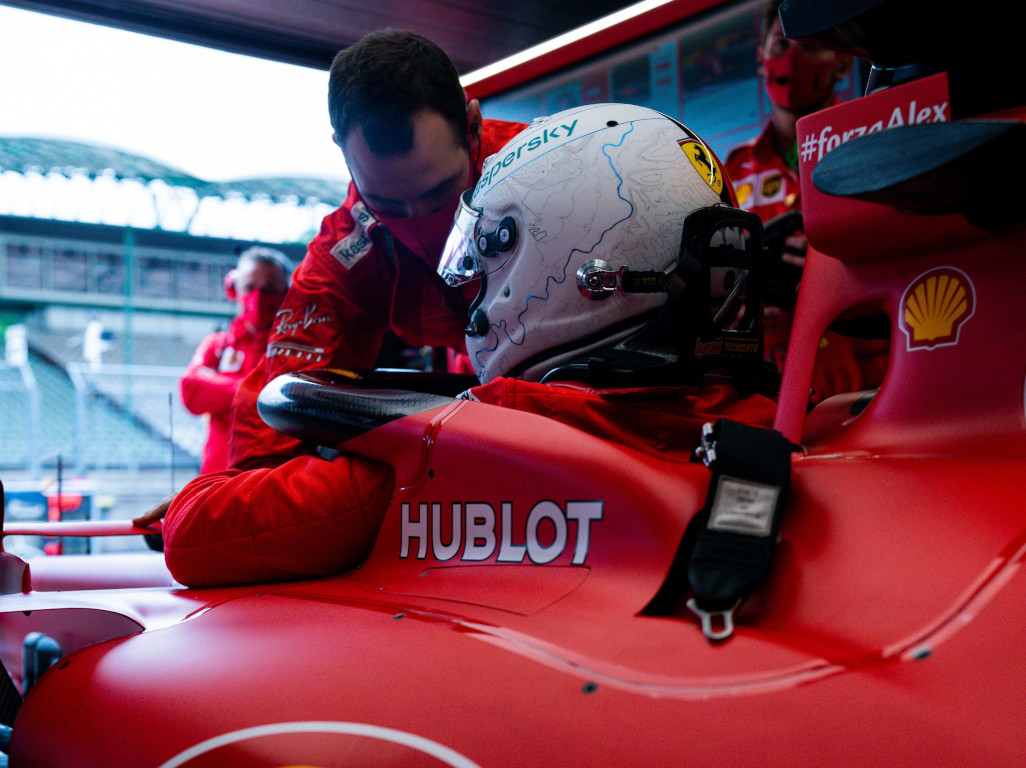
One of Vettel’s strategies to emulate Schumacher s rebuild was his focus on leadership and collaboration. Just as Schumacher had given detailed, constructive feedback to engineers, Vettel committed to working closely with his team to develop the Ferrari chassis and power unit. This meant long technical discussions, testing new components, and pushing the boundaries of innovation within the team.
Reports even suggested Ferrari was open to making significant changes, including chassis modifications, to find an edge that could boost performance in line with Vettel’s driving style. His methodical approach to driving and car development showed how he aimed to lead Ferrari back to the front by integrating his skills with technical evolution.
Handling Pressure and Fans Expectations
Vettel’s time at Ferrari was also shaped by intense pressure from fans and media who longed for a return to Schumacher-era dominance. The passionate Ferrari fanbase some of whom closely follow every development and race had sky-high expectations. Vettel played the role not just of a driver but a figurehead tasked with inspiring hope.
Despite facing criticism and occasional setbacks, Vettel maintained resilience, displaying the mental strength to push through tough moments. His efforts to connect with fans and deliver consistent performances were crucial in keeping Ferrari competitive and motivated during a transitional phase.
 Comparative Performance and Legacy
While Sebastian Vettel did secure victories and podiums at Ferrari, his record didn’t parallel the sheer dominance Schumacher achieved. Factors such as stronger rival teams and significant technical challenges limited the extent to which Vettel could replicate Schumacher s rebuild fully. Nonetheless, Vettel’s tenure helped lay important groundwork for Ferrari’s ongoing development.
His contribution lies in reviving Ferrari’s competitive spirit and pushing the team s engineering efforts forward during a difficult era. Vettel also kept the Ferrari legacy alive through his sportsmanship and dedication, reminding fans of the greatness that once was and building hope for future success.
Conclusion: Vettel’s Enduring Impact on Ferrari’s Rebuild
Sebastian Vettel’s journey to emulate Michael Schumacher s Ferrari rebuild was ambitious and multifaceted. By taking on immense pressure, collaborating deeply with Ferrari’s technical team, and leading with determination, Vettel’sought to restore Ferrari’s standing in Formula 1. Although the results were more modest compared to Schumacher s era, Vettel’s influence contributed substantially to Ferrari’s evolution during his years with the team.
His experience underscores the challenges inherent in reviving a historic team in an ever-changing sport and highlights the enduring inspiration Schumacher provided. Vettel’s time at Ferrari remains a significant chapter in the story of a legendary racing team striving to regain its throne.


// Discussion