
In the world of Formula 1, few achievements resonate as profoundly as Sebastian Vettel’s remarkable 2013 season, where he clinched an astonishing 13 race victories. This feat not only solidified his status as one of the sport s all-time greats but also sparked discussions about the factors behind such dominance. This article offers a deep dive into Vettel’s 2013 season, exploring the nuances of his performance, the car, the team dynamics, and the broader context that contributed to this historic campaign.
The 2013 Season Overview: A Dominant Run
Sebastian Vettel’s 2013 Formula 1 campaign remains a milestone in the sport s history, as He’secured 13 wins out of 19 races, setting a then-record for the most wins in a single season. Competing for Red Bull Racing, Vettel amassed 397 points and clinched his fourth consecutive World Drivers Championship (WDC), showcasing not only consistency but outright race-winning dominance.
What makes this achievement even more exceptional is the fact that Vettel was able to maintain a level of performance that outpaced his rivals by a significant margin. The 2013 season was characterized by his ability to extract maximum performance from the car week after week, adapting effortlessly to varying circuits and conditions.
 Red Bull RB9: Engineering Excellence
At the heart of Vettel’s success was the Red Bull RB9, a masterpiece of engineering crafted by the talented team at Red Bull Racing under technical director Adrian Newey. The RB9 was renowned for its aerodynamic efficiency, balance, and innovative design that allowed it to perform exceptionally well on diverse tracks.
The RB9 featured a highly refined aerodynamics package, which gave Vettel an edge in both speed and handling. Additionally, the car s reliability was rarely compromised, which is crucial in a sport where mechanical failures can shatter championship hopes instantly.
Its dominance was evident throughout the season, but it truly shined during the latter half when Vettel’secured multiple consecutive victories, often qualifying on pole and converting those opportunities into wins.
 Mastery of Racecraft and Mental Fortitude
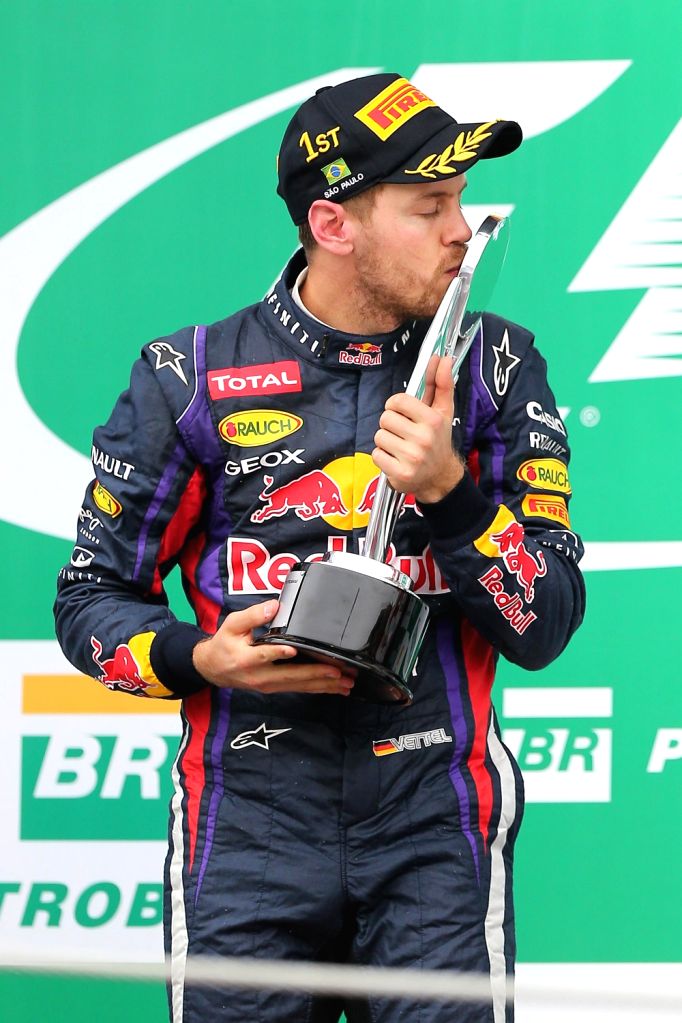
Winning 13 races in a single season is not merely about machine superiority; it requires an exceptional driver with both raw talent and mental resilience. Vettel exhibited an outstanding understanding of race strategy, tire management, and overtaking, often pulling off maneuvering that left competitors trailing.
One key element of Vettel’s approach was his ability to stay calm under pressure. Throughout the season, he demonstrated unwavering focus, even when faced with challenges such as changes in weather conditions or intense competition from drivers like Fernando Alonso and Kimi Raikkonen.
Moreover, Vettel’s qualifying performances were consistently formidable, frequently putting him on pole position and thereby starting races with a strategic advantage. This combination of blistering pace and tactical intelligence contributed decisively to his sustained success.
Challenges and Competitors in the 2013 Season
While Vettel’s season was dominant, it was not without its challenges. Ferrari’s Fernando Alonso and Lotus s Kimi Raikkonen provided stiff competition. Both drivers won multiple races and accumulated respectable points, keeping the pressure on Vettel and Red Bull.
One of the season s notable moments was the Brazilian Grand Prix, where despite difficult weather and a safety car period, Vettel’showcased composure and skill to secure a crucial victory that edged him closer to the title. This race highlighted his adaptability and race intelligence, traits that often trumped pure speed in critical moments.
However, Vettel’s ability to convert pole positions into race wins repeatedly set him apart from the field. While others struggled with tire degradation or strategic errors, Vettel and his team executed flawlessly with pit stops and race pace management.
 Strategic Teamwork and Pit stop Excellence
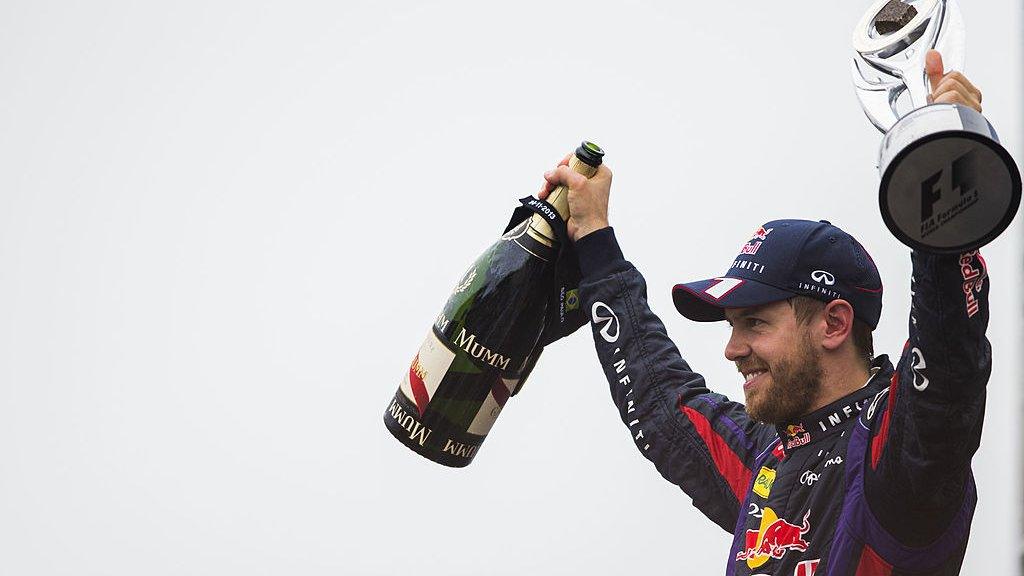
The role of Red Bull Racing s team strategy was pivotal. Efficient and timely pit stops minimized time losses during races, enabling Vettel to maintain or gain positions crucial to eventual victory. The Red Bull race engineers also displayed remarkable ability in calculating tire strategies adapted to each circuit’s unique demands.
Close collaboration between Vettel and his race engineers ensured seamless communication, quick decision-making, and flexible tactics according to unfolding race circumstances. This teamwork created a winning formula that turned strong qualifying sessions into dominant race performances.
The Broader Impact of Vettel’s 2013 Season
Vettel’s extraordinary season continues to captivate fans and analysts because it epitomizes a perfect marriage of talent, technology, and tenacity. Achieving 13 wins in one year is a testament to relentless pursuit of excellence in a sport where milliseconds can decide fate.
This feat also set a new benchmark for future champions. it sparked debates about comparing drivers across different eras and the influence of machinery versus driver skill in securing championships. The fascination lies in how Vettel managed to harness every element at his disposal to dominate an entire season.
Conclusion
Sebastian Vettel’s 2013 season remains a defining chapter in Formula 1 history. His 13 victories reflect not only a driver at the peak of his powers but also a team and car that together created an unstoppable force. Beyond the numbers, it’s the combination of Vettel’s masterful racecraft, Red Bull’s engineering brilliance, and strategic acumen that continues to captivate the motorsport world. The 2013 season reminds us why Formula 1 is as much about the human spirit and innovation as it is about speed and why Vettel’s unparalleled streak still holds a special place in racing lore.


// Discussion