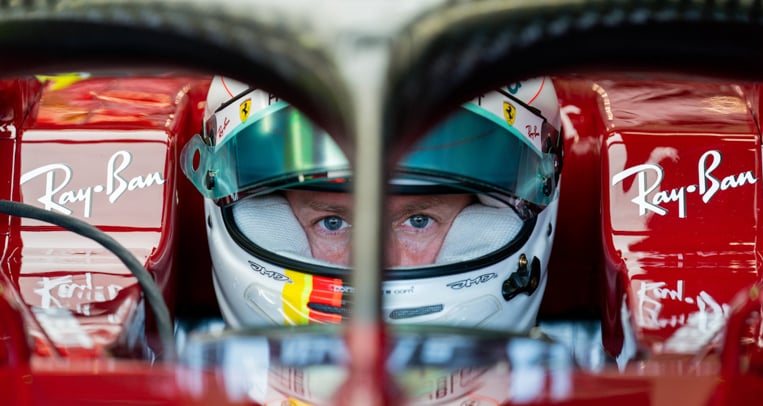
In this article, we will explore the fascinating evolution of Sebastian Vettel’s driving style over the years, from his early days at Red Bull Racing through his tenure at Scuderia Ferrari and finally to his current chapter with Aston Martin. Vettel’s journey is a testament to adaptability, skill refinement, and strategic maturity, reflecting how different team environments and car designs influenced his approach behind the wheel. Through detailed analysis, images, and insights into his career transitions, you will gain a comprehensive understanding of how one of Formula 1 s most prominent drivers has evolved on and off the track.
From Rising Star to Champion: Vettel’s Driving Style at Red Bull Racing
Sebastian Vettel’s breakthrough in Formula 1 came during his time with Red Bull Racing, where his technical brilliance and aggressive yet calculated driving style propelled him into the spotlight. Early on, Vettel was known for his precision in qualifying and ruthless racecraft, a combination that allowed him to dominate circuits and earn multiple world championships. His racing style at Red Bull was characterized by sharp cornering, clever tire management, and a fearless approach in wheel-to-wheel battles.
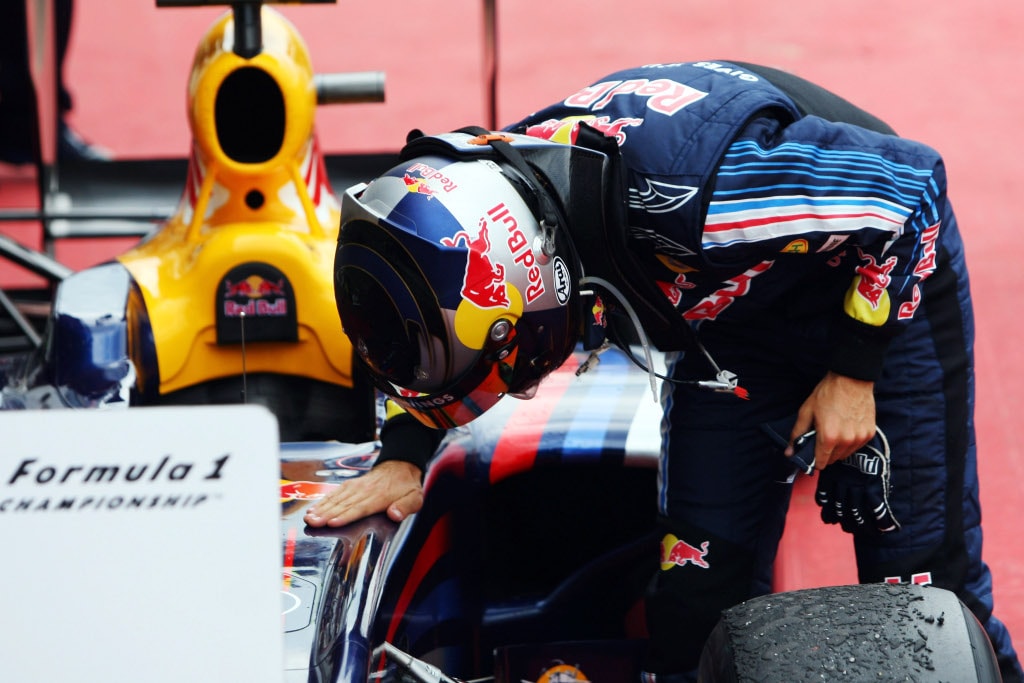 Red Bull’s engineers tailored their 2010 car to suit Vettel’s distinctive driving technique, emphasizing aerodynamic efficiency and downforce that complemented his smooth yet decisive inputs. This synergy between driver and machine was pivotal, as Vettel adapted to the RB6 s sensitive handling by refining his control over weight transfer and throttle application. His hallmark late braking and aggressive entry lines became a spectacle, combined with his ability to preserve tire life under pressure, which proved essential over race distances.
Adapting to New Challenges: Vettel’s Tenure at Scuderia Ferrari
Transitioning to Scuderia Ferrari marked a new chapter and several challenges for Vettel. Ferrari cars typically demand different driving characteristics often more sensitive to tire degradation and reliant on a delicate balance between mechanical grip and aero performance. Vettel’s style evolved significantly to accommodate these factors.
 At Ferrari, Vettel’softened his previously aggressive approach to emphasize smoothness and consistency. This change was essential for managing tire wear during longer stints and executing better race strategies. His driving became more calculated, focusing on conserving tire life while maintaining competitive lap times. Additionally, Vettel’s feedback to Ferrari’s engineers was critical in developing surprise upgrades and aerodynamic tweaks that aimed to challenge the dominance of Red Bull and other competitors.
The Ferrari environment pushed Vettel to hone his adaptability. His leadership role at the team involved mentoring younger drivers and collaborating closely with engineers to extract maximum performance from the car, which required patience and technical insight. Despite the ups and downs of results, this era greatly enriched Vettel’s racing acumen.
Evolving into a Veteran: Driving Style at Aston Martin
Vettel’s move to Aston Martin brought a fresh environment centered around team building and leveraging experience. Now a seasoned competitor, he refined a more measured and strategic driving style tailored to pushing the limits of an evolving car package while guiding a younger team.
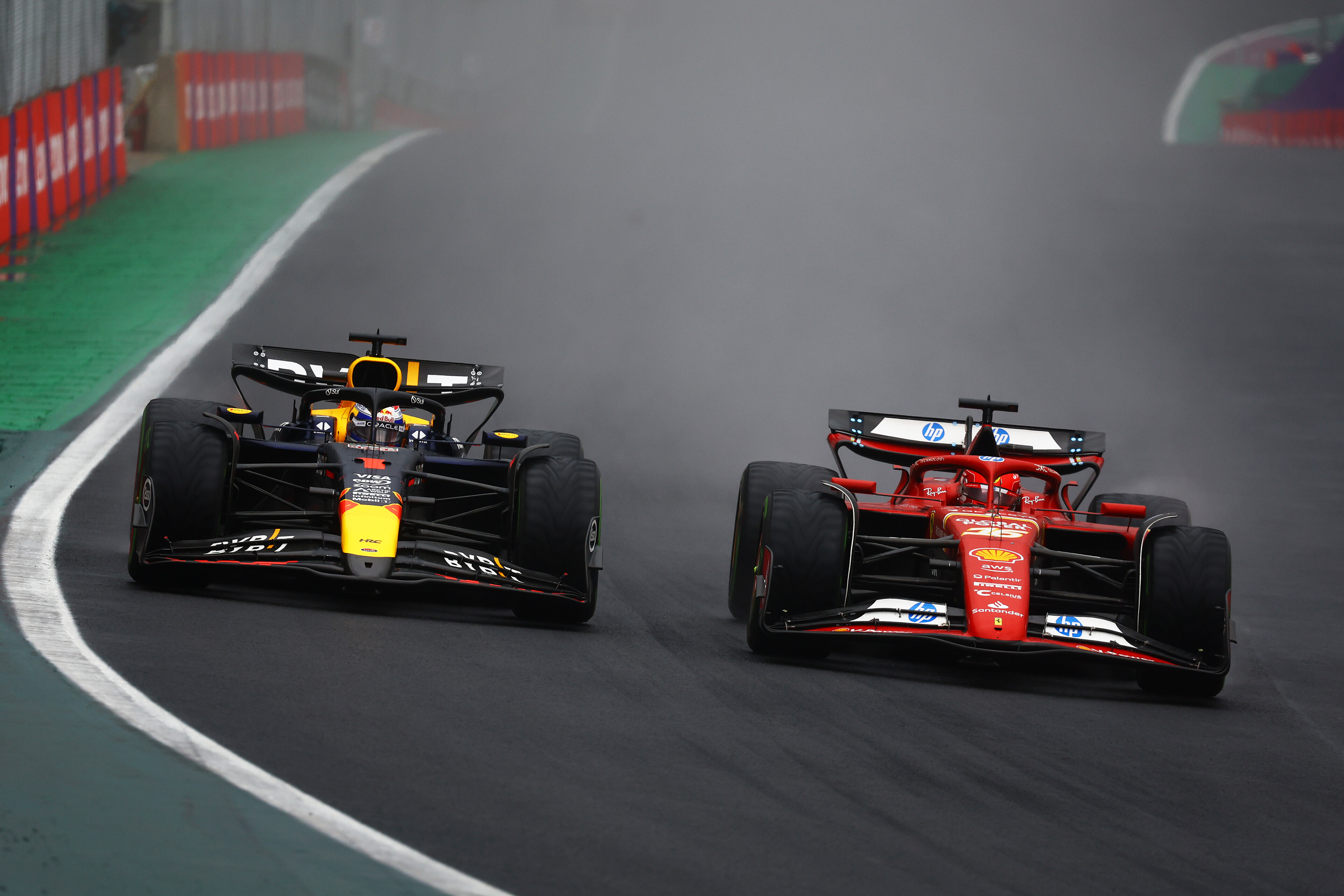 With Aston Martin s ongoing development efforts, Vettel’s driving has shifted to emphasize feedback precision and adaptability to frequent upgrades and setup changes. Recognizing the importance of tire management in contemporary F1, Vettel’s approach features controlled aggression knowing when to push for overtakes and when to conserve resources for long-term gains in the race.
His comprehensive understanding of race strategy and car dynamics allows him to extract performance advantages in variable conditions. Moreover, Vettel’s influence extends beyond driving, inspiring Aston Martin s engineers to introduce innovative upgrades aimed at closing gaps to the top contenders, bolstering the team s competitive stature in the championship fight.
Conclusion
Sebastian Vettel’s progression through Formula 1 teams vividly illustrates his dynamic driving style evolution from the raw, aggressive precision at Red Bull to the refined consistency at Ferrari, and finally the strategic mastery at Aston Martin. Each phase of his career demanded adaptability, technical feedback, and maturity, reflecting not only in his on-track performance but also in his leadership and teamwork.
Understanding Vettel’s driving style through these lenses offers fans a deeper appreciation of what makes an elite Formula 1 driver successful across different teams and technical challenges. As Vettel continues his career, his ability to adapt and lead remains a testament to his enduring legacy in the sport.


// Discussion