
In the world of Formula 1, few moments are as memorable and transformative as Sebastian Vettel’s stunning victory at the 2008 Italian Grand Prix in Monza. This win wasn’t just a remarkable highlight for Vettel but a pivotal event that profoundly impacted the fate of the scuderia Toro Rosso team. In this article, readers will discover how Vettel’s breakthrough Monza win effectively saved Toro Rosso from financial and competitive collapse, revitalizing the team s standing in Formula 1 and setting the stage for future successes.
The state of Toro Rosso Before the 2008 Monza Race
Before delving into the dramatic events of the 2008 Italian Grand Prix, it is crucial to understand the backstory of Scuderia Toro Rosso. Born as a rebranded Minardi team after Red Bull’s acquisition, Toro Rosso was perceived by many as an underdog a team perpetually struggling to compete against Formula 1 s powerhouses. With limited resources and an unproven driver lineup, the team often found itself languishing at the back of the grid, barely scoring points.
The pressure was immense. Financial struggles loomed large, threatening the team’s very survival. There were whispers and fears within the paddock that Toro Rosso might soon fold if it could not achieve meaningful results. At this critical juncture, the team entrusted a young Sebastian Vettel, then just 21 years old, with driving duties. Vettel’s prior performances in lower formulae were promising, but winning a race seemed an almost impossible task for the relatively small and inexperienced squad.
Monza 2008: The Unexpected Victory
When the Italian Grand Prix came around in September 2008, expectations were low for Vettel and Toro Rosso. What happened next surprised the Formula 1 community and fans worldwide. Vettel displayed exceptional skill and composure throughout the race weekend. From securing pole position to leading the entire race, his performance was flawless and brave, especially considering his youth and the underdog status of his team.
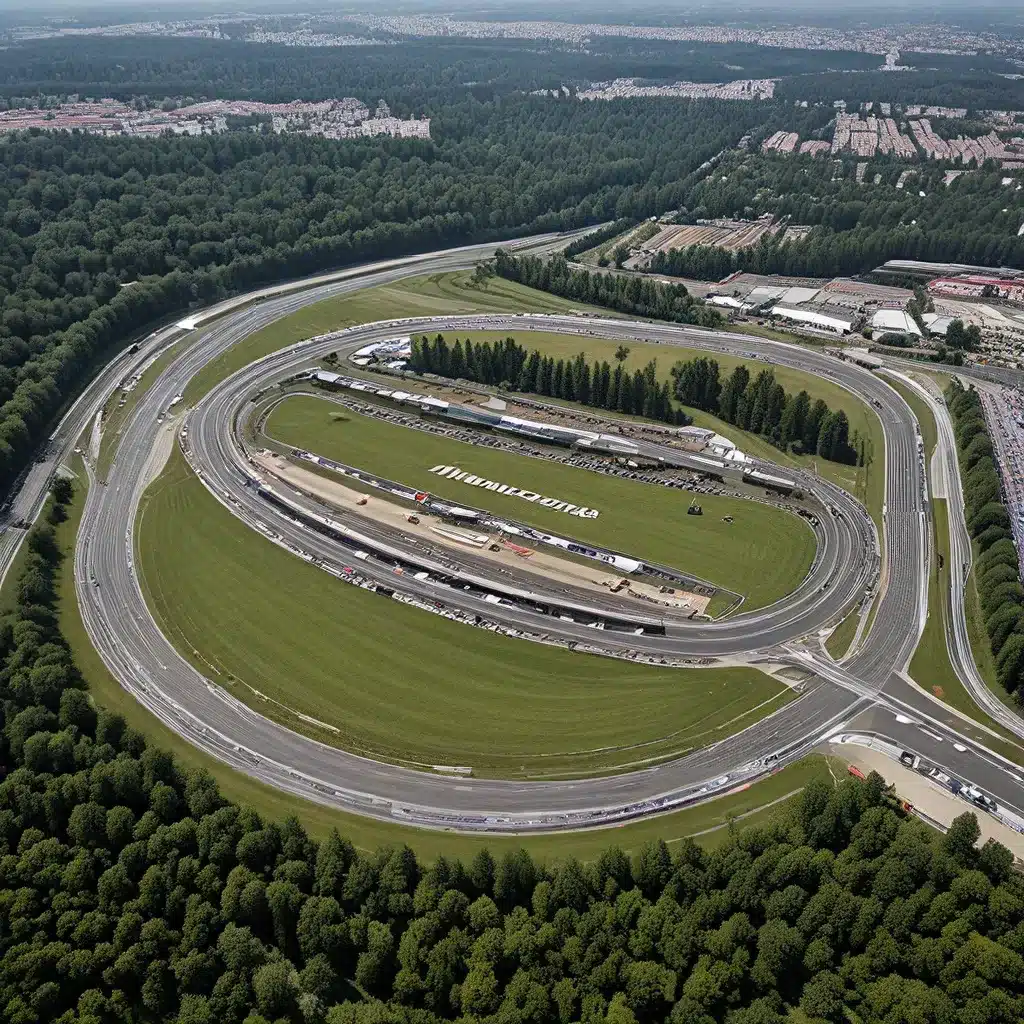
On race day, Vettel managed to fend off more experienced and faster drivers, driving his STR3 car to an unexpected but fully deserved victory. It was the youngest driver win in Formula 1 history at that time and Toro Rosso’s first-ever Grand Prix win. This victory at the heart of the Monza circuit, a legendary track known for its history and speed, became a defining moment not only for Vettel but for the Toro Rosso team.
 The Impact of the Victory on Toro Rosso s Future
Vettel’s Monza win was far more than just a race victory; it was a lifeline for the team. The win validated the potential of both the driver and the team s car development program. It attracted crucial sponsorships and funding necessary to maintain and improve the team s infrastructure and competitiveness in the sport.
Furthermore, the victory elevated Toro Rosso s reputation within the Formula 1 community, transforming its image from a backmarker team into one capable of delivering spectacular performances. This new perception translated into increased media attention, which helped the team secure better commercial deals and greater support from Red Bull.
The win also boosted morale within the team. The entire crew was galvanized by the success, which fostered a renewed commitment to innovation, teamwork, and perseverance. It encouraged young engineers and drivers alike, providing a blueprint that showed even teams perceived as minor players could achieve greatness.
Vettel’s Role as a Rising Star and Team Catalyst
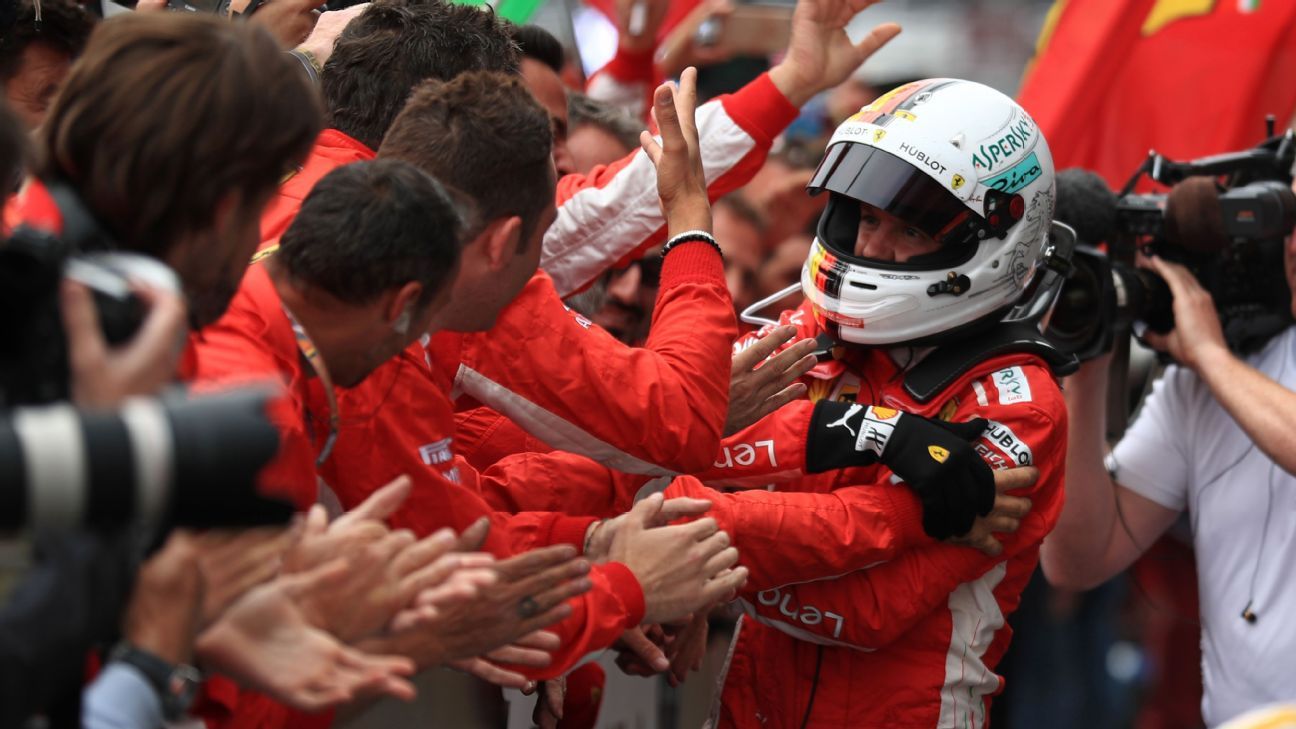
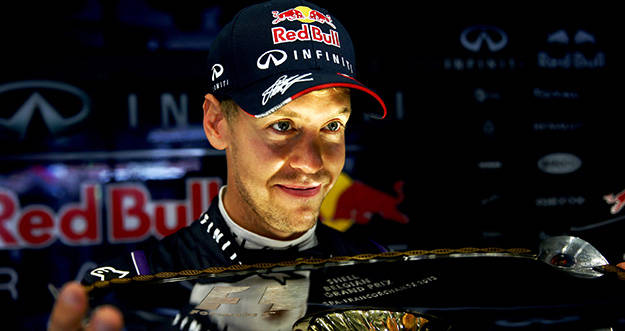
Sebastian Vettel’s triumph at Monza was just the beginning of his rise in Formula 1. His fearless driving style, technical feedback, and ability to perform under pressure made him an invaluable asset to Toro Rosso and later to Red Bull Racing, with whom He’secured multiple World Championships.
During his tenure at Toro Rosso, Vettel’showcased immense talent and leadership potential, setting the stage for his future dominance. His Monza win demonstrated that he was more than a promising rookie; he was a game-changer. Vettel inspired the team to aim higher and believe that victories were within reach.
His success also played a key role in Red Bull’s strategy of nurturing young drivers through the Toro Rosso program, seeing it as a proving ground for future champions. Vettel’s story became a powerful example supporting this approach.
 Long-Term Consequences for Toro Rosso and Formula 1
Beyond saving the team from imminent collapse, Vettel’s Monza win had ripple effects that lasted over a decade. It affirmed the importance of investing in young talent and small teams in Formula 1 s ecosystem, emphasizing that excellence can arise from unexpected places.
Toro Rosso, eventually rebranded as Scuderia AlphaTauri, embraced this tradition of nurturing drivers and pushing the boundaries in car development. The momentum gained from the 2008 victory empowered the team to remain a stable and competitive midfield force.
On a broader scale, the race highlighted how unpredictable and thrilling Formula 1 could be, bringing fresh excitement to fans and media alike. It reinforced the notion that dedication, innovation, and a bit of daring can overturn expectations, making the sport richer and more compelling.
 Conclusion
Sebastian Vettel’s victory at the 2008 Italian Grand Prix in Monza was a turning point for the scuderia Toro Rosso team. It rescued the outfit from financial instability, changed its reputation from perennial underdog to legitimate competitor, and laid the foundation for success in the following years. Vettel’s youthful brilliance and determination not only brought glory to Toro Rosso but reshaped the team s trajectory in Formula 1 history.
This win serves as a testament to how talent and opportunity, combined with timing and perseverance, can’transform the fortunes of an entire racing team. It remains an enduring story of hope and triumph in the high-stakes world of Formula 1 racing.
// Discussion