
In the fast-paced world of Formula 1 racing, qualifying performance often shines a spotlight on a driver’s raw pace and ability to extract the maximum from their machine under intense pressure. Sebastian Vettel’s average qualifying position of 6.1 during his prime years isn’t just impressive it’s nothing short of insane by the standards of one of the most competitive eras in racing history. This article explores why this statistic captivates fans and analysts alike, delves into the factors behind Vettel’s qualifying excellence, and examines what makes this number a reflection of much more than just raw speed.
The significance of an Average Qualifying Position of 6.1
At first glance, an average qualifying position of 6.1 might seem like just another number on a stats sheet. However, in the context of Formula 1, this figure becomes a remarkable indicator of consistency and elite performance. Qualifying in F1 is a fierce battle where milliseconds separate drivers, and a spot on the front rows can determine race outcomes.
For Vettel, consistently qualifying around the 6th position over multiple seasons highlights not just his raw pace but his adaptability to different tracks, weather conditions, and evolving car dynamics. Considering the intense competition from legendary drivers such as Lewis Hamilton, Fernando Alonso, and others during his tenure, maintaining such a high average showcases remarkable skill and precision under pressure.
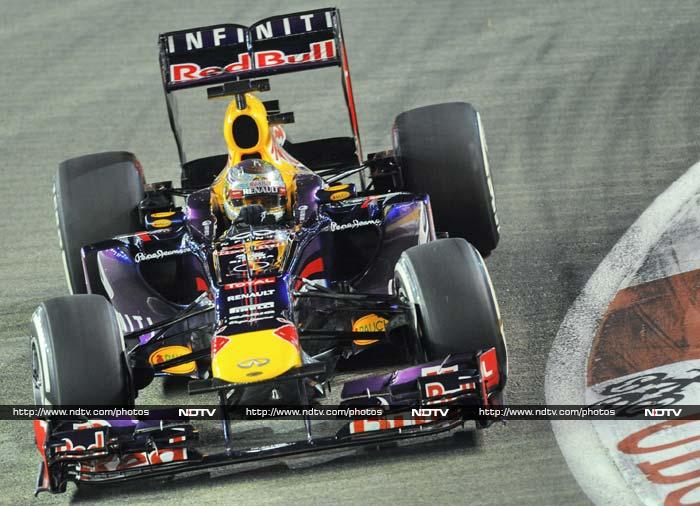 Mastery Behind the Wheel: Vettel’s Qualifying Techniques
Qualifying in Formula 1 goes beyond driving fast. It requires mental fortitude to stay calm, impeccable timing in taking to the track, and flawless execution of the perfect lap. Vettel’s ability to dissect each circuit and deliver near-perfect laps is a key reason behind his average qualifying position.
His smooth driving style allowed him to extract maximum grip and corner speed while managing tire degradation intelligently, even during short runs. Moreover, Vettel was known for his methodical approach to track evolution understanding when the track conditions were at their best and timing his final flying laps strategically.
Equally important was his technical feedback to engineers, which helped optimize car setup for qualifying sessions. This synergy between driver and team further underscored his consistent qualifying prowess.
Comparing Vettel with Other F1 Greats
To fully comprehend how extraordinary an average qualifying position of 6.1 is, it is useful to compare it with other top drivers. Consider Lewis Hamilton and Sebastian Vettel’s qualifying performances side-by-side a comparison frequently discussed among F1 enthusiasts and experts.
 Hamilton s blistering qualifying speed, renowned for extracting the absolute limits during a one-lap shootout, sets a high bar. Yet, Vettel’s ability to remain consistently within the top qualifying positions even when not in machinery as superior as that of Mercedes speaks volumes about his talent.
While some drivers may secure occasional poles or front-row starts, maintaining a consistent average position close to 6 over years of racing, amid dramatic changes in regulations, car performance, and competitors, truly illustrates Vettel’s unique blend of talent, preparation, and tactical acumen.
Why Fans and Analysts Are Fascinated by This Statistic
Numbers like Vettel’s qualifying average stir curiosity, debate, and admiration because they symbolize a deeper relationship between a driver s skillset and the technological challenges of F1.
Qualifying isn’t just about speed it’s about resilience. The pressure cooker environment, where one small mistake can lead to a significant drop in grid position, makes consistency rare and valuable. Vettel’s record reflects not just flash performances but an enduring capacity to perform optimally under stress.
Moreover, this average qualifying position sheds light on Vettel’s role in elevating team performance. His qualifying speeds often allowed his teams (Red Bull Racing in particular) to optimize race strategy by starting ahead of rivals, putting them in a stronger position to compete for podium finishes and championships.
Deeper Reasons Behind the Consistency
More than talent alone, Vettel’s astonishing qualifying stats are the result of a perfectionist mindset and continuous learning. He was known for an intense work ethic constantly reviewing telemetry data, refining his race craft, and adapting to evolving F1 regulations.
His ability to maintain peak mental focus during qualifying sessions, where attention to detail can define success or failure, is often cited by teammates and competitors alike. This mental resilience made him a formidable opponent and explains why his average qualifying position stands out in the sport s history.
 Conclusion
Sebastian Vettel’s average qualifying position of 6.1 is not just a statistic; it is a testament to a driver who mastered the art of precision, consistency, and mental toughness across some of the most competitive seasons in Formula 1. This figure encapsulates Vettel’s legacy as a driver who could consistently hover near the front of the grid, often pushing his car and competitors to their limits.
Understanding the depth behind this number enhances our appreciation of Vettel’s career, highlighting why fans and analysts consider his qualifying performances a benchmark for excellence. It reminds us that in Formula 1, every fraction of a second counts and Sebastian Vettel’s ability to consistently deliver is nothing short of extraordinary.


// Discussion