
In this article, readers will delve into the thrilling story of the 2009 Abu Dhabi Grand Prix, a landmark event where Sebastian Vettel’secured his first victory at the Yas Marina Circuit. We’ll explore the historical significance of the race, key moments that defined Vettel’s performance, and the impact of this win on his career and Formula 1 racing. Through various insights and visual content, fans and enthusiasts will gain a comprehensive understanding of this memorable race weekend.
Setting the stage: The 2009 Abu Dhabi Grand Prix
The 2009 Abu Dhabi Grand Prix, held on November 1st, marked the end of an exhilarating Formula 1 season. Taking place at the state-of-the-art Yas Marina Circuit, this race was the second Abu Dhabi Grand Prix since the track s inaugural event in 2009, known for its unique twilight setting where the race starts in daylight and finishes under floodlights. As the eighth race of the season s final stretch, it was pivotal both for drivers and teams seeking to secure points in the championship and cement their status heading into the off-season.
Constructed on Yas Island, the circuit’s 5.554 km layout includes a blend of long straights and technical corners, challenging drivers precision and strategy. The event also marked an opportunity for emerging talents to demonstrate their promise against established champions.
Vettel’s Breakthrough Win at Yas Marina
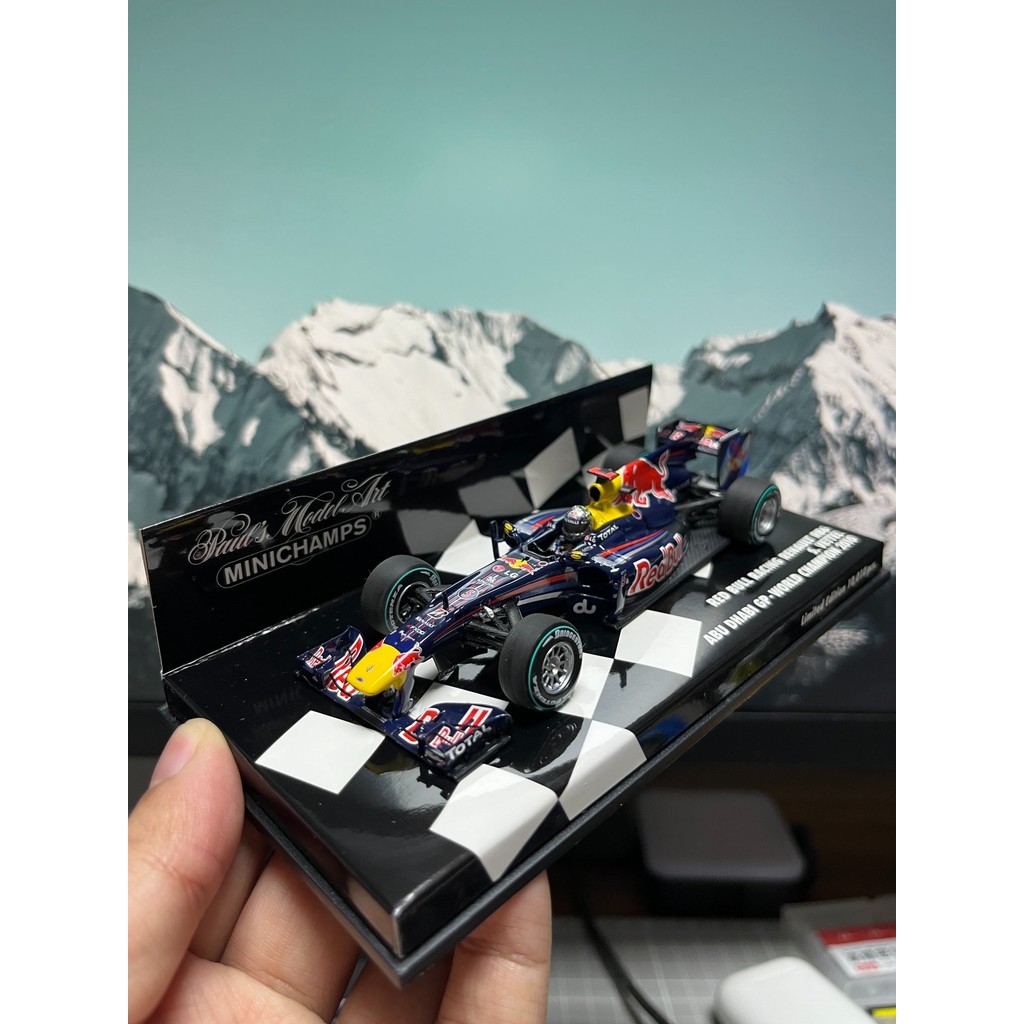
At the heart of the 2009 Abu Dhabi Grand Prix story is Sebastian Vettel, who was driving for Red Bull Racing. At just 22 years old, Vettel was rapidly climbing the ranks in Formula 1 and was eager to prove himself as a race winner. This event was a defining moment his first victory at the Yas Marina Circuit, showcasing not only his skill but also the strength of the Red Bull RB5 car.
Vettel’started the race in a strong position, demonstrating exceptional qualifying performance to place himself on the front rows. Throughout the race, he managed tire strategy effectively and showcased remarkable overtaking maneuvers that kept him ahead of fierce competitors like Jenson Button and Mark Webber.
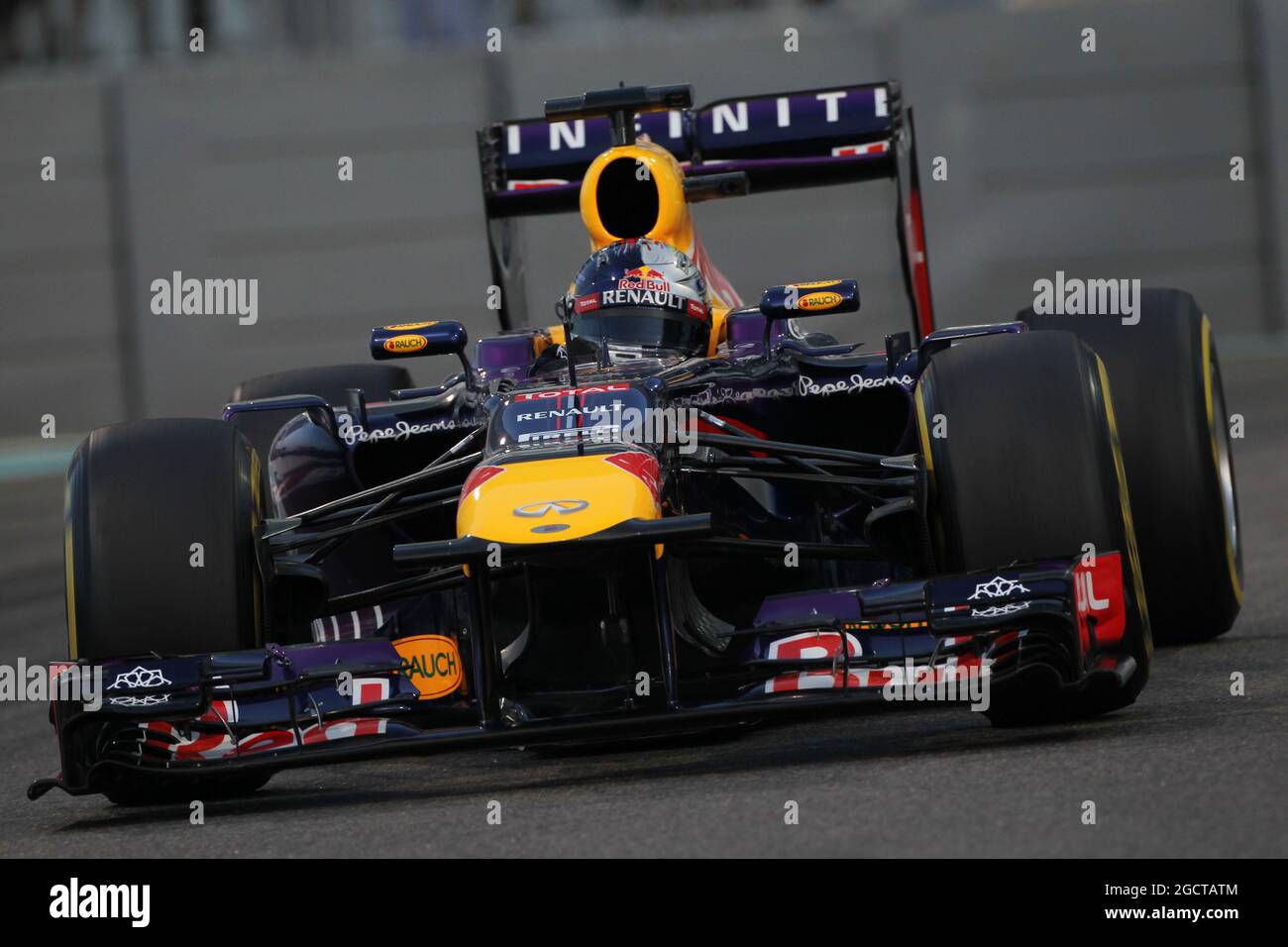 Vettel’s control over the race dynamics at Yas Marina balancing aggression with consistency was critical. His commanding drive ultimately led to crossing the finish line first, a triumph that not only marked a milestone victory in his career but also bolstered Red Bull Racing s reputation in Formula 1.
Technical Mastery and Team Strategy
The triumph at Yas Marina was not just a driver s solo feat but a combination of technology and team coordination. The RB5 car was recognized for its aerodynamic efficiency and powerful engine, giving Vettel the edge he needed on the long straights of the Yas Marina track.
Furthermore, the Red Bull pit crew executed flawless tire changes and race strategy calls. The team s decision to capitalize on the timing of safety car periods and fuel management ensured Vettel could maintain his lead without unnecessary risks. These elements combined illustrate the critical role of teamwork in modern Formula 1 victories.
 The Impact of the 2009 Victory on Vettel’s Career
Winning the 2009 Abu Dhabi GP was a crucial stepping stone in Sebastian Vettel’s career trajectory. It was his first win at the Yas Marina and further solidified his reputation as one of the sport s brightest young talents. This victory acted as a catalyst, propelling him into multiple World Championship title wins in the following years.
Not only did the win elevate his confidence and skill set on such a demanding circuit, but it also signaled Red Bull Racing s growing dominance within Formula 1. Vettel’s ability to consistently perform at high levels helped the team secure Constructors Championships in subsequent seasons.
Yas Marina Circuit: A Permanent Fixture in F1
The 2009 race signified more than just Vettel’s win. It highlighted the importance of Yas Marina Circuit as a unique and exciting venue in the Formula 1 calendar. The twilight race setting, combined with cutting-edge facilities, creates a spectacle for drivers and fans alike.
The circuit design challenges teams to balance speed with technical precision, making victories here particularly prestigious. As a result, the Abu Dhabi Grand Prix remains a key late-season battle where championship outcomes can often be decided.
 Conclusion
The 2009 Abu Dhabi Grand Prix remains a historic chapter in Formula 1 history, primarily for Sebastian Vettel’s first victory at the Yas Marina Circuit. This race showcased his driving prowess, the technical excellence of Red Bull Racing, and the strategic importance of the Abu Dhabi venue within the sport. Vettel’s triumph not only added to his growing legacy but also demonstrated the thrilling unpredictability and intensity of Formula 1 racing. Fans looking back at the 2009 season see this event as a symbol of emerging talent, fierce competition, and unforgettable moments set against the backdrop of one of the sport s most spectacular circuits.


// Discussion