The 2013 Malaysian Grand Prix remains one of the most talked-about moments in recent Formula 1 history, not only for its dramatic racing but for the explosive tension it exposed within one of the sport s most dominant teams Red Bull Racing. The phrase that echoed through the paddock, “Multi 21, Seb. Multi 21,” triggered a complex debate about team orders, competition, and loyalty, forever embedding itself into F1 lore. This article delves deep into the key facets of the event, exploring its causes, the immediate fallout, and its lasting impact on Formula 1 culture.
The Context: Red Bull Racing at Its Peak
By 2013, Red Bull Racing was the dominant force in Formula 1. Led by team principal Christian Horner and guided by the genius of designer Adrian Newey, the RB9 chassis was considered near-perfect. Sebastian Vettel, the reigning four-time World Champion, was the clear team leader, with Mark Webber as his reliable teammate. Both drivers had proven their speed and racecraft repeatedly throughout the season, making Red Bull the team to beat.
As the Malaysian GP at Sepang approached, Red Bull had a prime opportunity for a strong one-two finish with Webber and Vettel’starting from the front row. Yet beneath the surface, tensions simmered, setting the stage for what would become one of the sport s most controversial moments.
The Race and the Multi 21 Incident
From the moment the race began on a humid Sunday afternoon, it was clear that the battle between Webber and Vettel was going to be intense. Both drivers exchanged the lead multiple times, pushing their RB9s to the limit in a thrilling display of speed and strategy. However, as lap 22 approached, the tension between the teammates reached its peak.
Team orders were issued via radio the message Multi 21 was sent to Sebastian Vettel, a coded instruction meaning Hold positions: Car 2 (Webber) ahead of Car 1 (Vettel). This was intended to ensure a safe and secure 1-2 finish for Red Bull, avoiding any risky battles on track that could jeopardize valuable championship points.
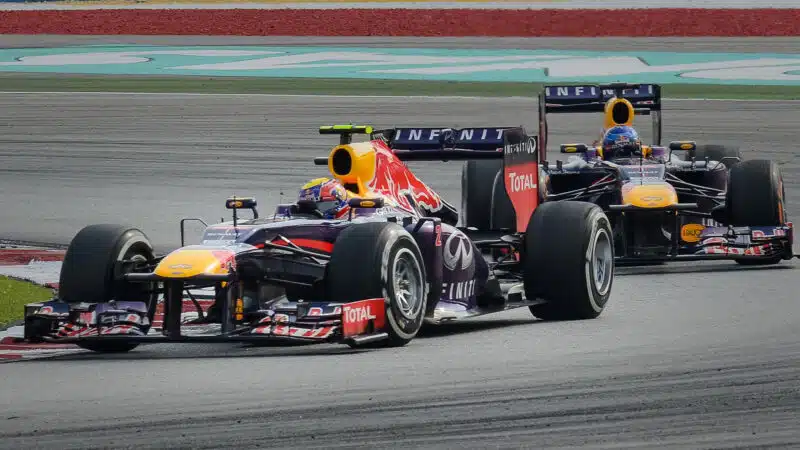 Despite the clear and repeatedly communicated order, Vettel ignored the command and overtook Webber, sparking immediate anger. The phrase Multi 21, Seb. Multi 21 echoed from the pit wall, underlining the frustration and disbelief in the Red Bull garage. Vettel’s move wasn t just a breach of protocol; it shattered the trust between teammates in front of the entire sport s audience.
The Fallout: Malaise in Malaysia
The aftermath was nothing short of explosive. Webber and Vettel’s relationship, already fragile, suffered a public and very visible blow. The team principal Christian Horner and senior management faced the difficult task of managing the fallout from an incident broadcast live to millions of fans worldwide.
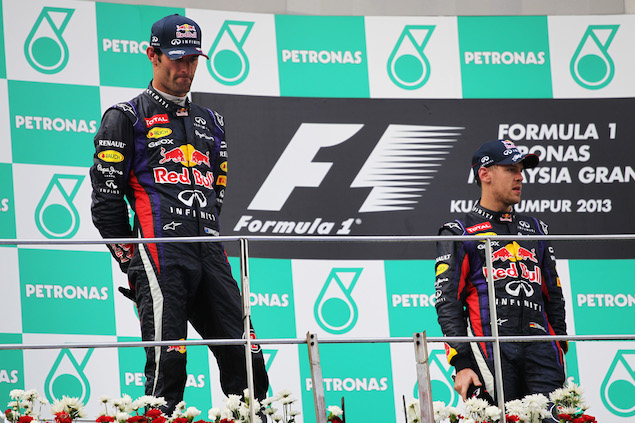 Critics argued that Vettel’s decision was a selfish breach of the unwritten rules within a team, prioritizing personal glory over collective success. Others sympathized with Vettel’s racer mentality, seeing his overtaking move as the true spirit of competition. Regardless, the controversy overshadowed Red Bull’s dominant performance that day, leaving a question mark over the team s unity moving forward.
The Lasting Impact on Formula 1 Philosophy
The Multi 21 incident ignited a broader debate about the role of team orders in Formula 1. Historically, team orders have been a contentious topic often whispered about but rarely explicitly enforced to avoid fan backlash. Sepang 2013 pulled that debate into the spotlight.
For many, the incident symbolized the fine line between controlling a racing team for strategic gain and allowing drivers to race freely. Teams became more introspective about how to balance diplomacy and authority with nurturing driver competitiveness.
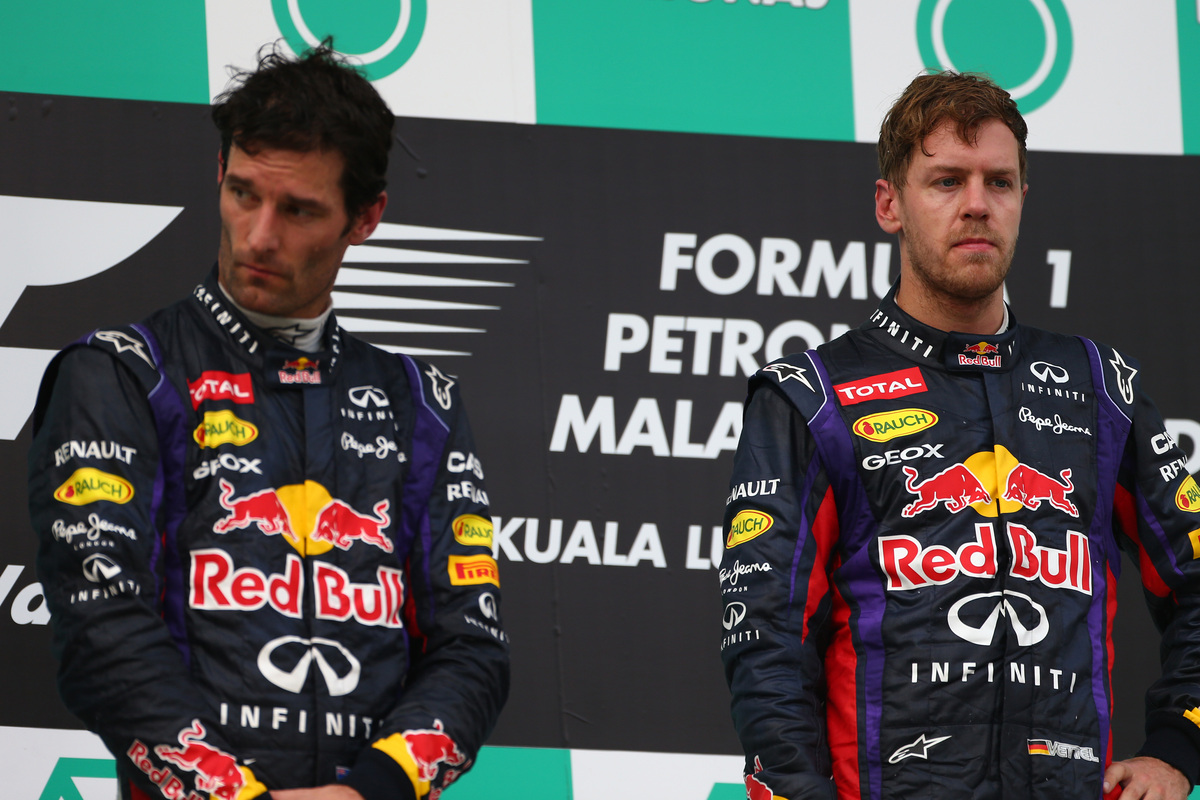 Moreover, Multi 21 entered the F1 lexicon as shorthand for one of the clearest examples of broken team harmony, a cautionary tale repeated in discussions of intra-team rivalries ever since. It demonstrated that even in a winning team, interpersonal dynamics can be fragile pockets of tension, ready to explode under pressure.
Conclusion
The 2013 Malaysian Grand Prix wasn t just another race in the calendar it was a defining moment that exposed the complexity of teamwork in an elite, high-stakes environment where pride, ambition, and loyalty clash. Sebastian Vettel’s defiant move against Mark Webber under the Multi 21 team order sent shockwaves through Formula 1, sparking debate about the nature of competition and the balance between team control and individual initiative.
This episode encourages all fans and critics to reconsider how success is managed within racing teams and challenges the assumptions about driver cooperation. Today, Multi 21 stands as a powerful reminder of the human element behind the machinery of Formula 1, a moment where passion and rivalry intertwined to create a story that will be remembered for decades.

// Discussion