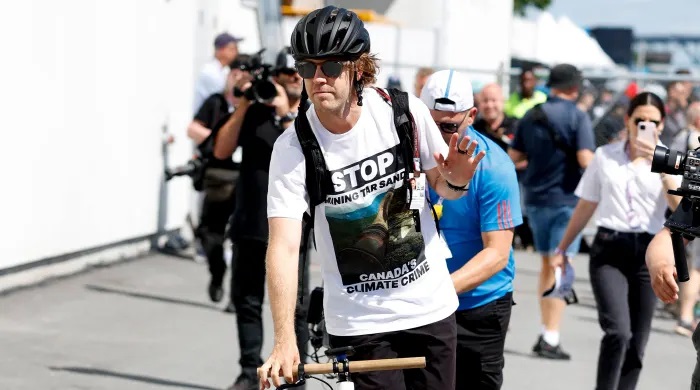
The 2022 Canadian Grand Prix was memorable for more than just the roaring engines and intense racing action. Amidst the excitement of one of the most anticipated events on the Formula 1 calendar, Sebastian Vettel, a four-time world champion and vocal environmental advocate, used the platform to protest against the Alberta tar sands. This act ignited a wave of reactions, from applause to harsh criticism, revealing not only the challenges of balancing environmental concerns with local economic interests but also the complexities of public discourse surrounding climate activism in high-profile sports events. This article dives deep into the multifaceted story of Vettel’s protest, the nature of the Alberta tar sands controversy, and the broader implications of such acts in global sporting arenas.
Background: The Alberta Tar Sands and Their Environmental Impact
The Alberta tar sands, also referred to as oil sands, constitute one of the largest petroleum reserves globally, located in the Canadian province of Alberta. Extracting oil from these tar sands involves a combination of mining and in-situ techniques, both of which have been heavily criticized for their environmental repercussions. The process is energy-intensive, emitting significant greenhouse gases, contributing to deforestation, and contaminating local water supplies.
Despite these concerns, the tar sands play a pivotal role in Canada s economy, providing thousands of jobs and substantial revenues. This economic dependence complicates activism, especially during a major Canadian event like the Grand Prix, which draws significant attention to the region and indirectly highlights local issues.
 Sebastian Vettel’s Platform: From Racing Legend to Environmental Advocate
Sebastian Vettel has become well-known beyond his racing prowess for using his visibility to champion environmental causes. Over the years, he has consistently raised awareness about sustainable living, climate change, and the urgent need to rethink our energy consumption. His passions have often led him to take a strong stance against practices harming the planet, including the Alberta tar sands operations.
At the 2022 Canadian Grand Prix, Vettel took advantage of the event s global platform to protest the continuation and expansion of tar sands extraction. His approach involved public statements and visible gestures, prompting media coverage that spread his message far beyond the racing community. This act was particularly significant given that the race itself was hosted near the very location affected by the tar sands, intertwining local environmental concerns with global sporting interests.
 Public Reaction: Cheers, Booing, and the Complexities of Advocacy
Vettel’s protest was met with a polarized response. While many environmentalists and international observers praised his courage and dedication to important issues, some segments of the Canadian Grand Prix crowd reacted negatively. Reports indicated that Vettel was booed during the event, reflecting the tension between environmental concerns and economic interests within Alberta s local population.
Such reactions underscore a broader dilemma faced by activists operating in regions where livelihoods depend on industries criticized for environmental harm. In Alberta, many residents directly or indirectly benefit from the oil sands sector. For them, protests can feel like attacks on their communities and way of life rather than constructive dialogues on sustainability.
This pushback highlights the difficulties public figures face when engaging in advocacy at sports events, often regarded as escapes from political debate. Yet, Vettel’s actions remind us that sport and society are deeply intertwined, and moments on the racetrack can amplify urgent issues needing global attention.
 Why Does This Protest Fascinate So Many?
On the surface, Vettel’s protest at a sporting event may seem straightforward an athlete using a global stage to voice concerns. However, this act tapped into deeper themes that resonate worldwide. It juxtaposed the glamour and speed of Formula 1 against the slow, painstaking work of environmental conservation. It exposed the tensions between global climate ambitions and local economic realities. It also reflected the increasing demand for public figures to stand for more than just their professional roles.
Moreover, the protest invites reflection on how audiences engage with sports. While many attend events for entertainment, there is an increasing awareness that sports reflect and influence societal issues. Vettel’s stance challenged fans to think beyond the finish line, urging them to consider the broader consequences of energy choices tied to the region.
Conclusion
The 2022 Canadian Grand Prix will be remembered not only for the thrilling racing that unfolded but also for Sebastian Vettel’s courageous and controversial protest against the Alberta tar sands. This incident illuminated the complexities of environmental activism in regions economically reliant on fossil fuels and the evolving role of athletes as advocates in global discussions. Vettel’s actions sparked important conversations about balancing economic needs with environmental responsibilities and reminded us that behind the spectacle of sport lies a world grappling with urgent challenges. As these stories continue to unfold, they encourage a deeper look at how moments in sports arenas can become powerful catalysts for awareness and change.


// Discussion