
Have you ever wondered what it feels like to go from driving a high-performance racing car to piloting a tractor? While it sounds like a quirky metaphor, for Sebastian Vettel, the 2022 Formula 1 season felt somewhat like this transition and not necessarily in a good way. This article dives deep into Vettel’s difficult adaptation to the radically changed 2022 F1 regulations, why the new car felt like a “tractor,” and what challenges shaped his painful transition.
The Radical Transformation of the 2022 F1 Car
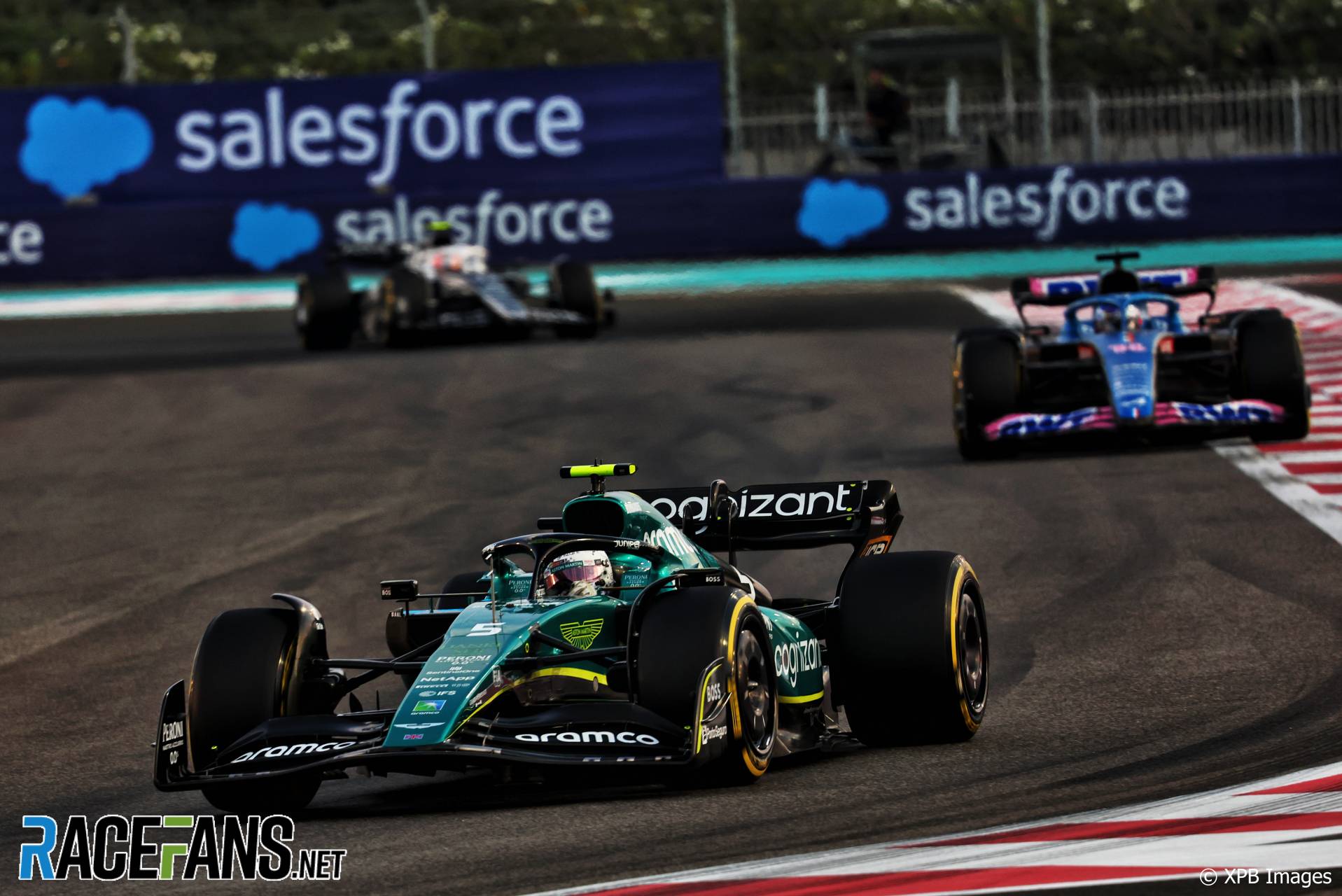
The 2022 Formula 1 season marked one of the most drastic shifts in car design in decades. The sport introduced a new set of technical regulations aimed at revolutionizing racing by improving aerodynamics and fostering much closer wheel-to-wheel battles. Gone were the complex bargeboards and intricate aero elements, replaced by a ground-effect-focused underbody and simplified aerodynamics.
These fundamental changes dramatically affected how the cars behaved on the track. The latest cars generated downforce primarily through the floor rather than the wings and bodywork, which altered the driving dynamics and how drivers could extract performance.
For seasoned drivers like Vettel, accustomed to a particular feel and response, adapting to this new mechanical philosophy was far from straightforward. The 2022 car did not merely look different but drove like an entirely different beast, challenging intuition and muscle memory developed over years.
Why Did Vettel Compare the 2022 Car to a Tractor?
The description of a Formula 1 car as a tractor might sound harsh and even humorous, but it poignantly captures the frustration Vettel experienced. Unlike previous seasons, where his cars were agile, responsive, and predictable, the 2022 machinery often felt heavy, sluggish, and unpleasant to drive.
This feeling stemmed from several factors:
- Increased Weight: New regulations led to a significant increase in minimum car weight. Heavier cars naturally feel less nimble and more cumbersome in rapid directional changes.
- Tire Management: The switch to 18-inch wheels introduced new tires with different characteristics. Managing tire temperatures and degradation in these conditions was tricky, often leading to unpredictable grip levels.
- Aerodynamic Turbulence: The altered airflow meant cars were more sensitive to dirty air when following another car closely, complicating overtaking and racecraft.
These elements combined to create a car that seemed devoid of the precision and finesse Vettel was known for exploiting in earlier years. As he put it, this car felt less like a racing thoroughbred and more like a slow-moving farm vehicle hence the tractor analogy.
Technical Challenges and Personal Adaptation
Even the most talented drivers require time to adjust to new machinery, but Vettel’s transition was particularly challenging due to several compounded issues:
- Mercedes Power Unit Limitations: The 2022 Red Bull used an updated Honda power unit, while Aston Martin, Vettel’s new team, relied on a Mercedes engine that struggled to match Red Bull’s integration and performance. This power gap frustrated Vettel when extracting maximum speed on the straights.
- Car Balance and Setups: Aston Martin s AMR22 struggled fundamentally with handling and balance. Drivers found it difficult to find consistent setups, leading to frequent unpredictability during races.
- Psychological Toll: For a four-time World Champion accustomed to winning machinery, the challenging year took its toll on Vettel’s confidence and motivation. This mental strain further complicated on-track performance.
Vettel’s struggles reflect the broader team s battle to keep pace in one of the most competitive grids ever seen. While Red Bull dominated with an almost flawless package, other teams including Aston Martin felt like they were trying to tame a wildly inconsistent tool.
How This Shift Impacted Vettel’s Career
The 2022 season served as a harsh reminder for Vettel of how quickly fortunes can change in Formula 1. The driving tractor was emblematic not only of technical hurdles but also of the end of an era. After lingering on the grid for longer than many fans expected, Vettel’s painful adaptation underscored that his peak performance days with top-tier cars were behind him.
This reality seems to have influenced Vettel’s decision to retire at the end of the 2022 season. Despite a career decorated with four world championships and multiple records, the struggle to find pace and consistency was a signal that the sport s new direction might no longer suit his style or expectations.

The Broader Implications for Formula 1
Vettel’s experience highlights the growing pains inherent in Formula 1 s push toward innovation and closer competition. The transition to new technical regulations was aggressive and partly experimental, meaning some drivers and teams faced steep learning curves.
But it also opened exciting opportunities for younger talents and teams able to adapt quickly. While established stars like Vettel felt the impact as a challenge, it represented a necessary evolution for the sport in terms of sustainability, racing spectacle, and engineering creativity.
Fans and analysts alike have debated whether such radical changes should be rolled out more slowly to smooth transitions for all stakeholders, or if disruptive innovation is the only way to move forward strategically.
Conclusion: From Tractor to Turbocharged Future?
Sebastian Vettel’s painful 2022 season serves as a fascinating case study in how a driver s relationship with their car can make or break success in Formula 1. The tractor metaphor captures a moment of discomfort and adaptation amidst a sport in flux a reminder that even the best must sometimes wrestle with challenging new realities.
While Vettel’s personal transition was difficult, the technical evolution in Formula 1 signals an exciting future with closer racing, advanced technology, and fresh talents rising to the occasion. Whether future cars will keep feeling like tractors or grow into new performance icons depends on continued innovation, driver feedback, and perhaps a touch of nostalgia for the era of wings and bargeboards.
In the end, every challenge presents an opportunity. The same mechanics turning Vettel’s car into a “tractor” today might just be the wheels propelling Formula 1 into its turbocharged tomorrow.

// Discussion