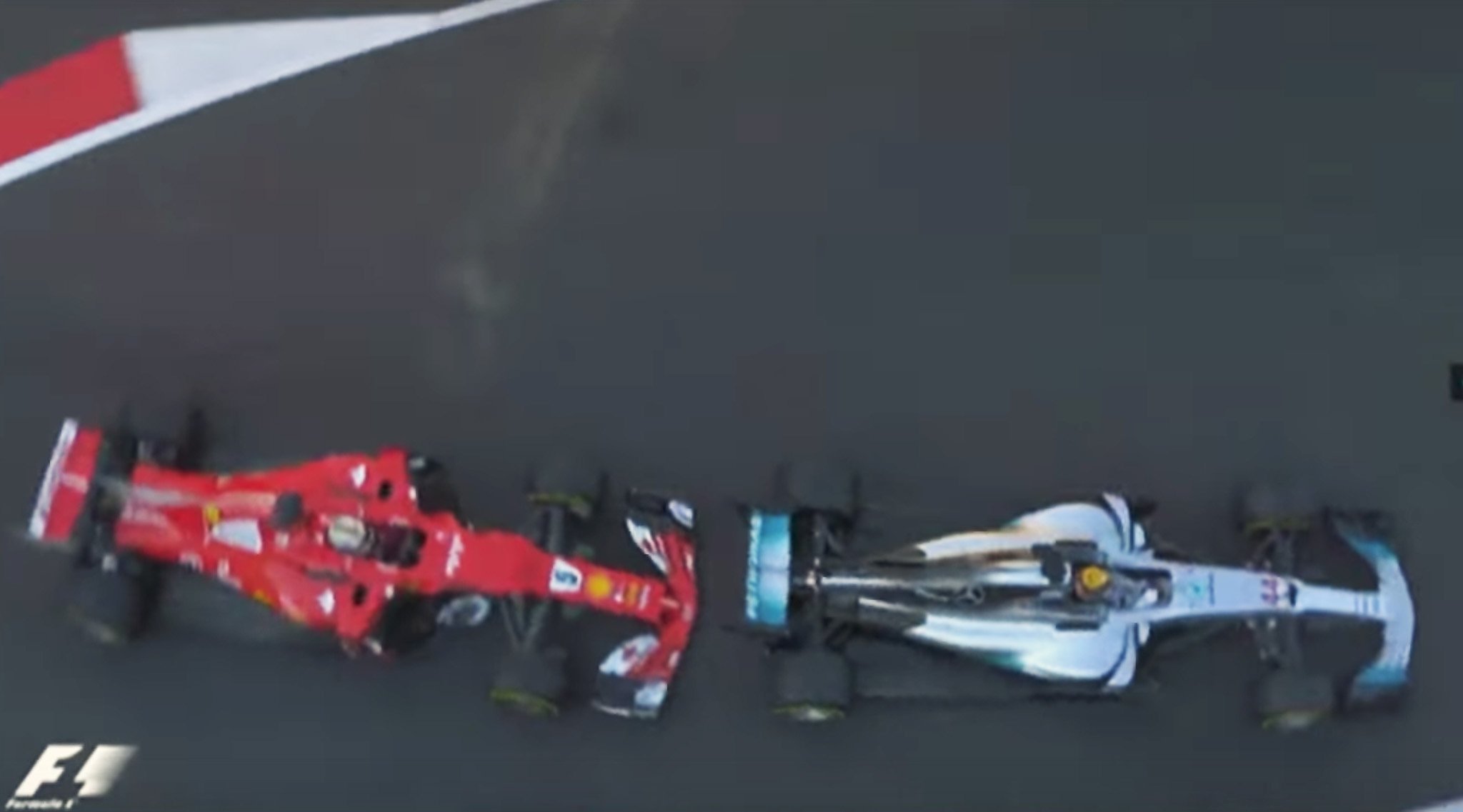
In the high-octane world of Formula 1 racing, emotions often run just as fast as the cars on the track. One of the most memorable and controversial moments in recent F1 history unfolded during the 2017 Azerbaijan Grand Prix in Baku, where a fierce on-track clash took place between two titans of the sport: Sebastian Vettel and Lewis Hamilton. This article delves into the infamous Road Rage incident under the safety car, exploring the events leading up to the clash, the heated altercation itself, the aftermath, and its impact on the sport.
The Build-Up to the Baku 2017 Incident
Before the dramatic encounter under the safety car, the race in Baku had already seen a mix of tight battles, strategic maneuvers, and a unique street circuit layout that demanded both precision and aggression from drivers. Sebastian Vettel, then racing for Ferrari, and Lewis Hamilton, representing Mercedes, were locked in a tense championship battle. Every point counted, and tensions were running high.
The narrow streets of the Baku City Circuit, characterized by long straights followed by tight corners, provided ample opportunities for aggressive overtakes and close racing. Both Vettel and Hamilton were vying for position and supremacy on the track, knowing that a slip-up could have disastrous consequences for their championship aspirations.
The Controversial Clash Under the safety Car
Perhaps the most talked-about moment from the 2017 Azerbaijan GP was the confrontation between Vettel and Hamilton that took place under the safety car. With the race neutralized due to a first-lap incident and debris on the track, the pack slowed down considerably. It was during this period that tempers flared, and frustrations boiled over.
Images and footage captured Vettel attempting an aggressive move on Hamilton at Turn 1, despite the expectation that drivers maintain position under safety car conditions to prioritize safety. Vettel’s car made contact with Hamilton s, causing visible damage and sparking intense debate among fans, commentators, and officials.
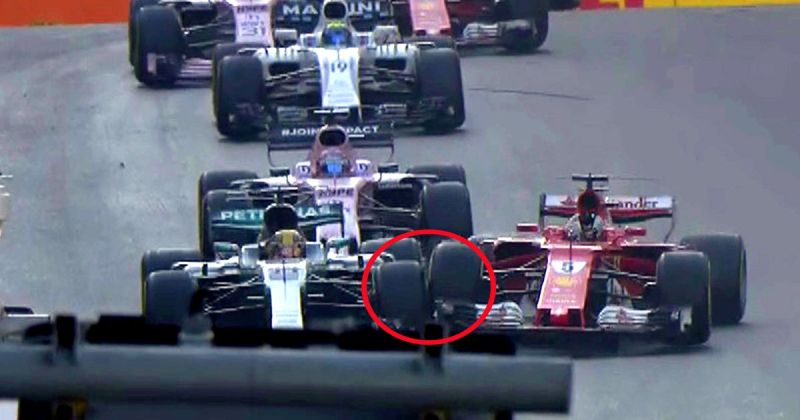 The way Vettel lunged at Hamilton under caution was viewed by many as a breach of racing etiquette, as overtaking under such conditions is strictly prohibited. Some described Vettel’s action as road rage due to the apparent recklessness and heightened emotions at play. Hamilton, on the other hand, appeared surprised and visibly frustrated by the incident, which some argue should have been avoidable.
Reactions and Analysis of the Incident
The collision ignited a firestorm of reactions across the Formula 1 community and media outlets. Analysts debated whether Vettel’s move was a calculated risk or an emotional lapse in judgment, questioning the role of driver temperament in high-pressure scenarios.
 Many experts pointed out that violating safety car protocols not only compromises driver safety but also undermines the authority of the race stewards tasked with maintaining order. In the days following the race, the F d ration Internationale de l Automobile (FIA) came under scrutiny for how it handled the incident, with debates on whether harsher penalties were warranted or if Vettel was dealt with fairly.
Fans were divided, with some sympathizing with Vettel’s aggressive intent to gain an advantage and others criticizing the unnecessary risk he took. Hamilton s camp emphasized the importance of driver responsibility, especially when the overall safety was at stake.
The Broader Impact on Formula 1 and FIA Authority
This confrontation did not merely result in momentary headlines; it spotlighted larger issues intrinsic to Formula 1 racing. It prompted the FIA to revisit its enforcement strategies and safety car regulations to ensure clear guidelines and appropriate consequences for breaches. The incident was a catalyst that led to renewed discussions about how to best balance intense competition with the paramount need for safety.
 Furthermore, the incident fueled the rivalry between Vettel and Hamilton, which has been a defining narrative in Formula 1 for years. Their on-track skirmishes have often carried championship implications and shaped the sport s storylines. The Baku clash highlighted how pressures both internal and external manifest in split-second decisions that can have lasting repercussions.
Conclusion
The 2017 Azerbaijan Grand Prix clash between Sebastian Vettel and Lewis Hamilton under the safety car remains one of the most talked-about moments in recent F1 history. It encapsulates the passion, rivalry, and sometimes volatility inherent in elite motorsport competition. This Road Rage episode emphasized the delicate balance between aggression and discipline necessary for success in Formula 1, while shining a light on the responsibilities drivers have for the safety of themselves and others.
As Formula 1 continues to evolve, incidents like the Baku 2017 clash serve as crucial lessons for drivers, teams, and governing bodies alike. They remind us that while racing is about speed and winning, it is also about respect, sportsmanship, and adherence to rules that protect everyone on the circuit.


// Discussion