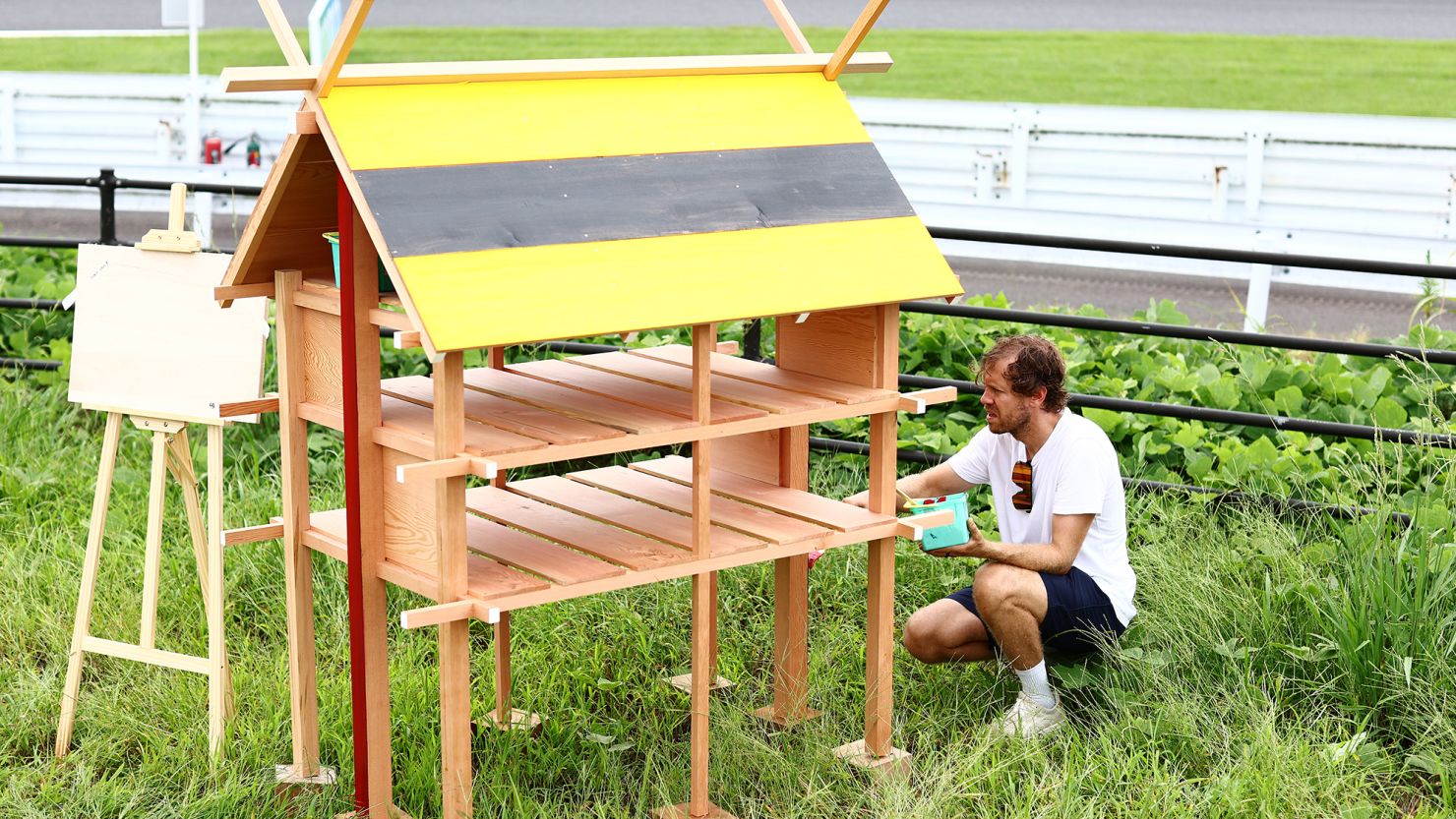
What happens when a four-time Formula 1 World Champion trades the roaring engines of the racetrack for the gentle hum of buzzing bees? Welcome to the fascinating world of Sebastian Vettel’s latest venture: The Bee Hotel Empire. This article delves into how Vettel, known not just for his racing prowess but also his passion for sustainability, is turning heads with an eco-friendly initiative that might just challenge the norms of post-F1 career transitions. Join us as we explore the inception, purpose, and future of this buzzing business endeavor.
The Genesis of Vettel’s Bee Hotel Project
After hanging up his racing suit, Sebastian Vettel did not simply fade into the sunset as many might expect. Instead, he embraced a cause that has rapidly become a global environmental concern: pollinator decline. Bees, being essential to the ecosystem and global food production, are facing significant threats from habitat loss, pesticides, and climate change. Recognizing this, Vettel launched a “Bee Hotel” project, an innovative eco-friendly initiative aimed at creating safe havens for solitary bees and other pollinators.
These bee hotels are designed to mimic natural habitats like hollow stems and crevices where solitary bees can nest and raise their young. By providing a dedicated space, Vettel’s project aids in supporting biodiversity and raising awareness about environmental responsibility. This shift from championing speed on the track to championing environmental preservation is not only inspiring but also highlights his commitment to making a lasting impact beyond motorsport.
 Building Buzz: What Exactly Is a Bee Hotel?
For those unfamiliar, a bee hotel is essentially a man-made structure that provides nesting spaces for solitary bees, unlike honeybees that live in large hives. Solitary bees are among the most efficient pollinators but often struggle to find secure nesting spots in modern urban and rural environments. These hotels contain multiple small tubes or holes where female solitary bees lay their eggs. Once sealed, the eggs incubate safely until juvenile bees emerge.
Vettel’s bee hotels are cleverly designed to blend ecological necessity with eye-catching aesthetics a testament to his belief that environmental solutions can be both functional and beautiful. This combination makes them particularly suitable for public spaces, private gardens, and environmentally conscious businesses looking to support pollinator populations.
 When Racing Meets Ecology: Vettel’s Public Appearances and Collaborations
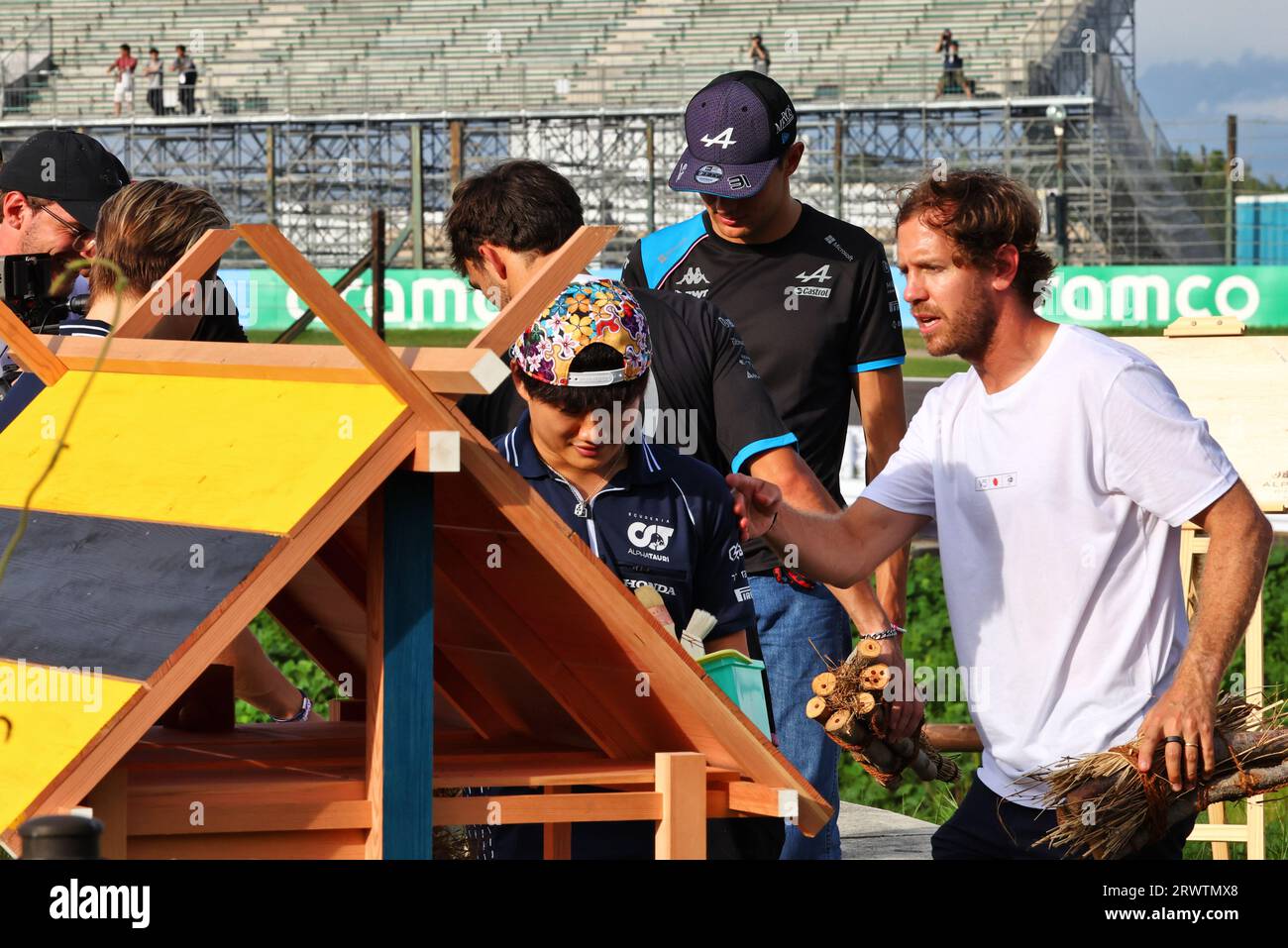
Vettel has made it a point to intertwine his post-racing passion with his long-standing connections in the racing world. For instance, he was photographed alongside Yuki Tsunoda at the suzuka circuit during the 2023 Japanese Grand Prix, where the bee hotel concept was showcased as part of a broader sustainability initiative within the Formula 1 community.
This intersection offers an intriguing perspective on how former athletes can influence large audiences by promoting eco-conscious projects. Vettel’s presence at such events is more than symbolic it serves as a platform to inspire fans, partners, and stakeholders to reconsider their own environmental footprints. By leveraging his fame and network, Vettel adds momentum to the bee hotel endeavor and expands its reach into new territories.
 Challenges Facing The Bee Hotel Empire
While the initiative sounds promising and certainly buzzworthy, it is not without its challenges. One of the most significant obstacles is education and acceptance. Urban and suburban communities need to understand the importance of solitary bees and overcome misconceptions that all bees pose a danger. Additionally, maintaining these bee hotels and ensuring they provide a safe environment against predators and parasites is a continuous task requiring community involvement and scientific oversight.
Financial sustainability is another critical consideration. While Vettel’s name draws initial attention and funding, scaling the project requires a viable business model that balances profitability with environmental goals. Whether through partnerships, sponsorships, or direct sales, the bee hotel initiative must navigate these commercial realities to thrive long-term.
The Future of Vettel’s Bee Hotel Initiative
Looking ahead, Vettel’s bee hotel project has the potential to evolve far beyond its current scope. With growing awareness of pollinator importance and biodiversity loss, there s a fertile landscape for expanding into educational programs, eco-tourism, and even integrating technology such as smart monitoring systems for bee health.
Moreover, Vettel’s venture could serve as a blueprint for other athletes and influencers considering sustainable post-career pathways. By championing a cause that is both urgent and accessible, he encourages a new narrative where celebrity status and environmental activism go hand in hand.
Conclusion
So, can a former Formula 1 icon really make a difference by building bee hotels? Sebastian Vettel’s answer is a resounding yes. His post-F1 business venture not only addresses crucial environmental issues but also challenges stereotypes about retirement and professional reinvention. As The Bee Hotel Empire grows, it invites us all to ponder how we might contribute to preserving our planet one humble bee at a time. The road ahead might be full of challenges, but with a bit of determination and a touch of Vettel’s competitive spirit, this venture just might take flight.


// Discussion