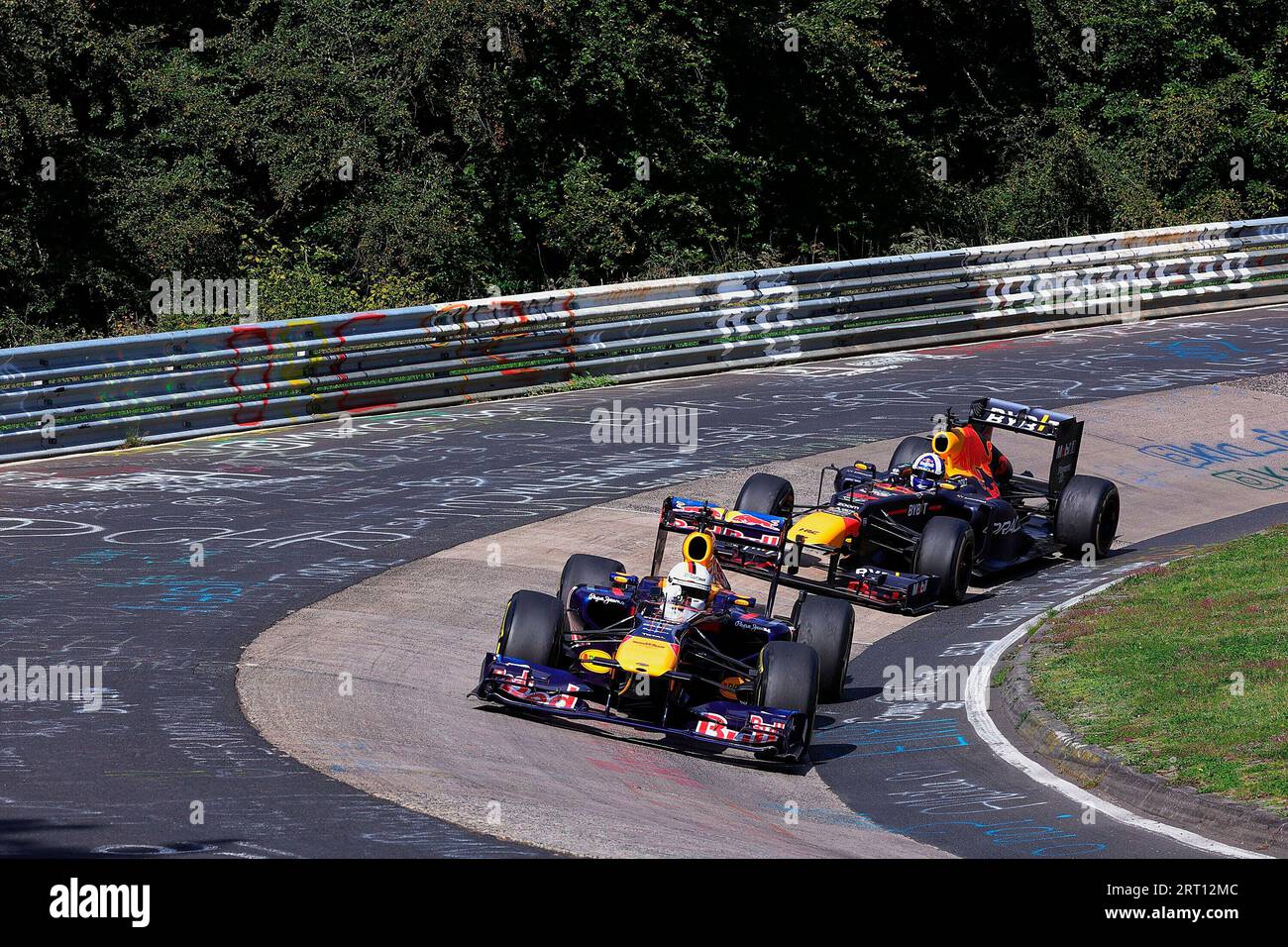
In this article, we explore the intriguing initiative undertaken by renowned Formula 1 driver Sebastian Vettel at the N rburgring the installation of a dedicated bee hotel. While on the surface this might appear as a simple conservation effort, the bee hotel reveals deeper layers of environmental awareness, personal commitment, and a broader message about biodiversity. We will delve into the motivations behind this project, the significance of bee hotels in ecological terms, Vettel’s unique connection with this cause, and the wider implications for sustainability in the world of motorsport and beyond.
The Concept of a Bee Hotel: Addressing a Vital Ecological Need
Bee hotels are man-made habitats designed to provide solitary bees with safe nesting areas. Unlike honeybees, solitary bees such as mason bees and leafcutter bees do not live in colonies but rather as individual pollinators. These species are crucial for ecosystems because they contribute significantly to pollination, supporting plant reproduction, biodiversity, and, ultimately, food security.
Natural habitats for these bees are increasingly threatened by urban development, agricultural intensification, and pesticide use. Consequently, bee hotels serve as an artificial refuge aimed at combating habitat loss. By offering nesting tubes and protected spaces, these structures encourage solitary bee populations to thrive in environments that would otherwise be hostile or unsuitable.
 Instilling public awareness around these small but impactful structures underscores a broader environmental imperative: without pollinators, natural ecosystems and human food systems face serious risks. The simplicity of a bee hotel masks its profound ecological importance.
Vettel’s Bee Hotel at the N rburgring: A Unique Intersection of Motorsport and Conservation
Sebastian Vettel, well-known for his four Formula 1 World Championships, might seem an unlikely advocate for bee conservation, yet his commitment runs deep. At the N rburgring, a historic German race track with which Vettel’shares a personal connection, he installed a bee hotel as part of an ongoing campaign to support pollinator populations.
 Vettel’s involvement bridges his love for motorsport with his environmental concerns. it sends a powerful statement: even high-octane industries that are often criticized for their environmental impact can’take meaningful strides toward sustainability. The installation of the bee hotel at such an iconic venue highlights that conservation can and should coexist alongside sporting excellence.
The Deeper Fascination Behind Vettel’s Commitment
Beyond the immediate environmental benefits, Vettel’s dedication to supporting bees reflects a deeper personal and philosophical journey. The driver has spoken extensively about his interest in environmental issues, sustainability, and the responsibility of public figures to catalyze positive change.
 For Vettel, the bee hotel is more than a symbolic gesture. It is a tangible step toward reversing trends of biodiversity loss and climate disruption. His campaign aligns with broader ecological movements urging humanity to respect natural processes, protect vulnerable species, and think long-term about our planet s health.
This fascination is emblematic of a cultural shift among athletes and celebrities who leverage their platforms for environmental advocacy. Vettel’s effort reminds us that ecology and industry, sport and sustainability, can find harmony when driven by genuine passion and informed action.
The Wider Implications: Promoting Biodiversity in Motorsport and Beyond
The installation of a bee hotel at the N rburgring raises vital questions about the role of sports venues and industries in ecological stewardship. Motorsport, traditionally associated with fuel consumption and emissions, faces growing pressure to implement greener practices. Projects like Vettel’s bee hotel represent innovative ways to integrate biodiversity into the fabric of sporting events.
By fostering bee populations on-site, race tracks can improve local ecosystems, support pollination of surrounding plants, and serve as showcases for environmental responsibility. This not only benefits wildlife but also enhances public engagement by demonstrating that sustainability initiatives are accessible and impactful.
Moreover, the example set by Vettel and the N rburgring can inspire other athletes, teams, and venues to explore similar proactive measures. Whether planting native flora, installing insect hotels, or reducing carbon footprints, these efforts collectively contribute to a more sustainable future for sports and society alike.
Conclusion
Sebastian Vettel’s installation of a bee hotel at the N rburgring embodies a compelling blend of environmental awareness, personal conviction, and symbolism. It addresses the critical ecological need to protect pollinators while bridging the worlds of high-speed motorsport and nature conservation. This initiative not only supports solitary bees in facing habitat challenges but also sends a broader message about the potential for industry leaders to champion sustainability.
Through this act, Vettel invites us to reconsider the intersections between human endeavor and natural balance, underlining that even small, simple measures can resonate deeply and inspire widespread change. As motorsport continues to evolve, the integration of biodiversity initiatives like the bee hotel signals a hopeful path toward a more environmentally conscious sporting future.



// Discussion