
The 2018 Italian Grand Prix at Monza was a vivid reminder of the intricate dynamics and strategic nuances that define Formula 1 racing. Among the myriad moments that captured the attention of fans and analysts alike was the instance when Sebastian Vettel gave teammate Kimi Raikkonen a tow during qualifying. This act, seemingly simple on the surface, triggered waves of discussion and offered a deeper insight into the subtleties of team interplay, driver psychology, and the quintessential allure of Formula 1. Below, we unravel the layers of this moment, exploring its implications for both drivers, the team, and the sport s broader narrative.
The setting: Monza 2018 and Ferrari’s Teammate Dynamics
The Monza circuit, known affectionately as the Temple of Speed, is a place where raw power meets razor-sharp precision. The 2018 Grand Prix qualifying session at this legendary track was fierce, with Ferrari drivers Sebastian Vettel and Kimi Raikkonen vying for prime grid positions ahead of their toughest rivals. As teammates for Ferrari, Vettel and Raikkonen s relationship was scrutinized by fans and media, often simplified as a battle simmering beneath the team’s iconic red livery.
Yet, beyond the rivalry, moments like Vettel giving Kimi a tow reveal a more complex camaraderie and tactical collaboration. The tow, a practice where the lead car creates a slipstream effect to reduce air resistance and boost speed for the following car, is commonly used to enhance qualifying laps. Knowing when, how, and for whom to provide this assistance teeters on a fine edge between strategic gain and potential team friction.
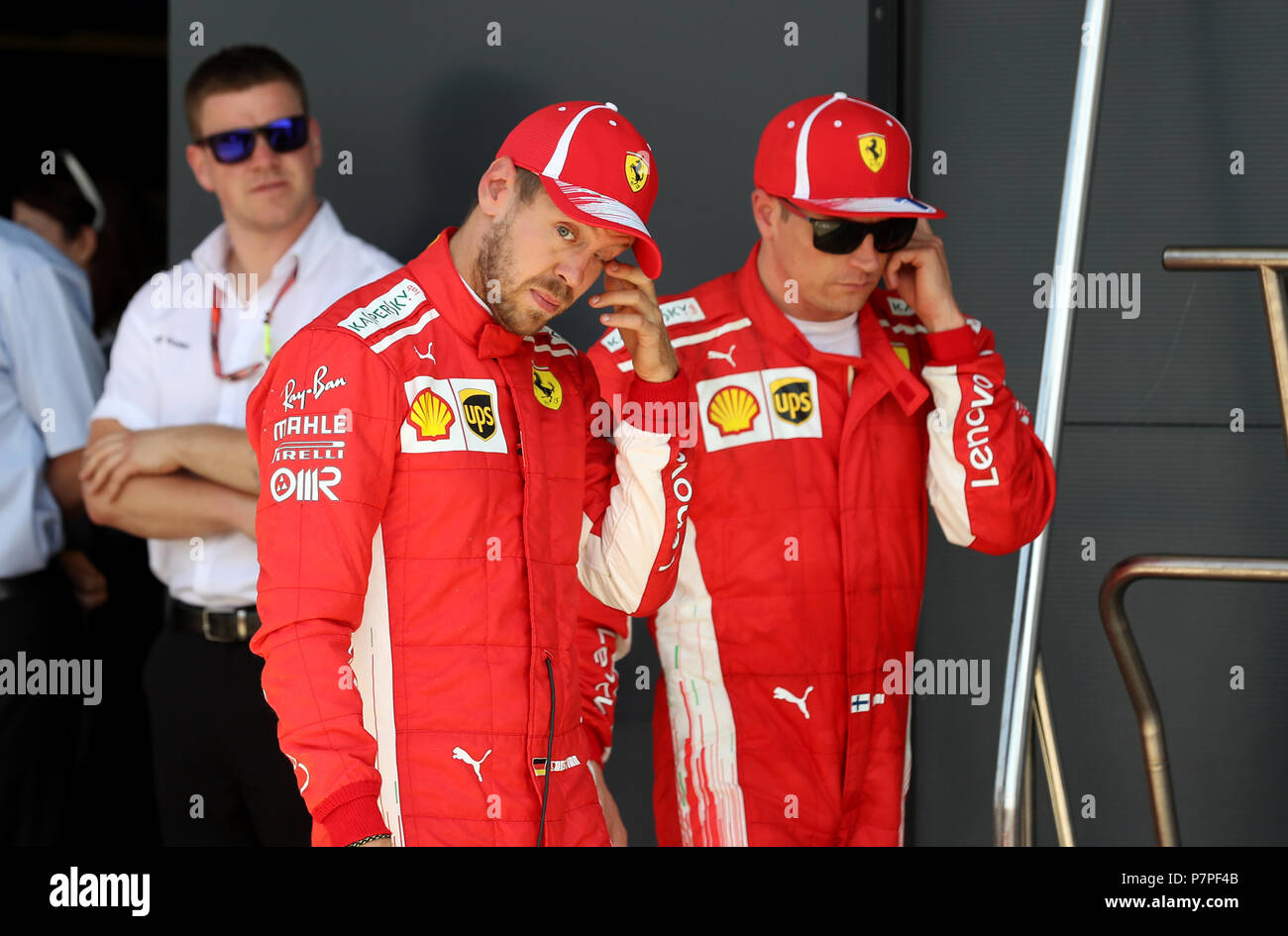 Vettel’s Intentions: More Than Just a Slipstream
At face value, Sebastian Vettel’s decision to tow Kimi Raikkonen was a tactical move aimed at optimizing the qualifying outcome for both drivers. The aerodynamic advantage provided by the slipstream effect is a well-established tool in Formula 1, especially on high-speed circuits like Monza where every millisecond counts. However, this gesture also speaks volumes about Vettel’s mindset during the session. Despite the underlying intra-team competition, Vettel demonstrated a willingness to assist his teammate, prioritizing overall team performance.
This cooperation points toward a shared understanding of Ferrari’s overarching objectives at Monza securing front-row positions to challenge the likes of Mercedes and Red Bull. Vettel’s tow wasn t merely a functional act but a subtle nod to strategic unity, showcasing how even fierce rivals within the same team can engage in moments of collaboration when stakes are high.
 Kimi Raikkonen s Response and the subtext of Driver Chemistry
Kimi Raikkonen, often characterized by his stoic demeanor, rarely displays overt emotions, making his reception of Vettel’s tow all the more intriguing. The Finnish driver s measured response is a testament to the nuanced dynamics shared between the two veterans. Raikkonen s focus is on extracting maximum performance from his machine, and the tow offered an unspoken advantage that perhaps reaffirmed his trust in Vettel’s judgment under pressure.
Behind this moment of shared effort lies a deeper layer of driver chemistry where competitive spirit coexists with mutual respect. it’s these rare moments that fans gravitate toward: glimpses of authenticity amid the machinery and technology. This installment in their ongoing narrative offers a subtle reminder that Formula 1 is as much about human relationships and teamwork as it is about speed and engineering.
 The Tow s Tactical Impact and Broader Significance
In the high-octane environment of Formula 1 qualifying, differences between grid positions often come down to tenths or even hundredths of a second. Vettel giving Raikkonen a tow was a tactical maneuver aimed at shaving crucial time off the latter s lap around Monza s high-speed straights. This action not only improved Kimi s qualifying position but potentially strengthened Ferrari’s grid dominance heading into the race.
Beyond the immediate advantage, this moment seeded discussions about team dynamics, raising questions about how such collaborations shape racing strategies and intra-team hierarchies. The tow illustrated the delicate balance teams must maintain between individual ambition and collective success, highlighting that in Formula 1, the interplay between teammates can be as important as the battle against rival teams.
Why Fans Are Drawn to Moments Like These
Formula 1 enthusiasts often speak of the X-factor that makes the sport uniquely captivating a blend of speed, technology, drama, and personality. Moments like Vettel giving Kimi a tow capture this intangible essence. They remind fans that beneath the helmets and data screens lie human elements: camaraderie, strategy, and sometimes, unexpected acts of teamwork.
This fascination transcends the track because it encapsulates the unpredictability of sport and the complexity of human relationships within high-pressure environments. For many, these glimpses behind the scenes enrich the narrative of racing beyond mere lap times, instilling a deeper appreciation and emotional connection.
Conclusion
The day Sebastian Vettel gave Kimi Raikkonen a tow at Monza in 2018 serves as more than just a snapshot of a qualifying session; it is a microcosm of the intricate and often paradoxical nature of Formula 1 racing. It highlights how teamwork and rivalry coexist, how strategy melds with personality, and why fans remain endlessly fascinated by the sport s layered stories. Moments like these resonate because they reveal the subtleties that make Formula 1 not just a competition of fastest cars, but a theater of human endeavor and collaboration under immense pressure.

// Discussion