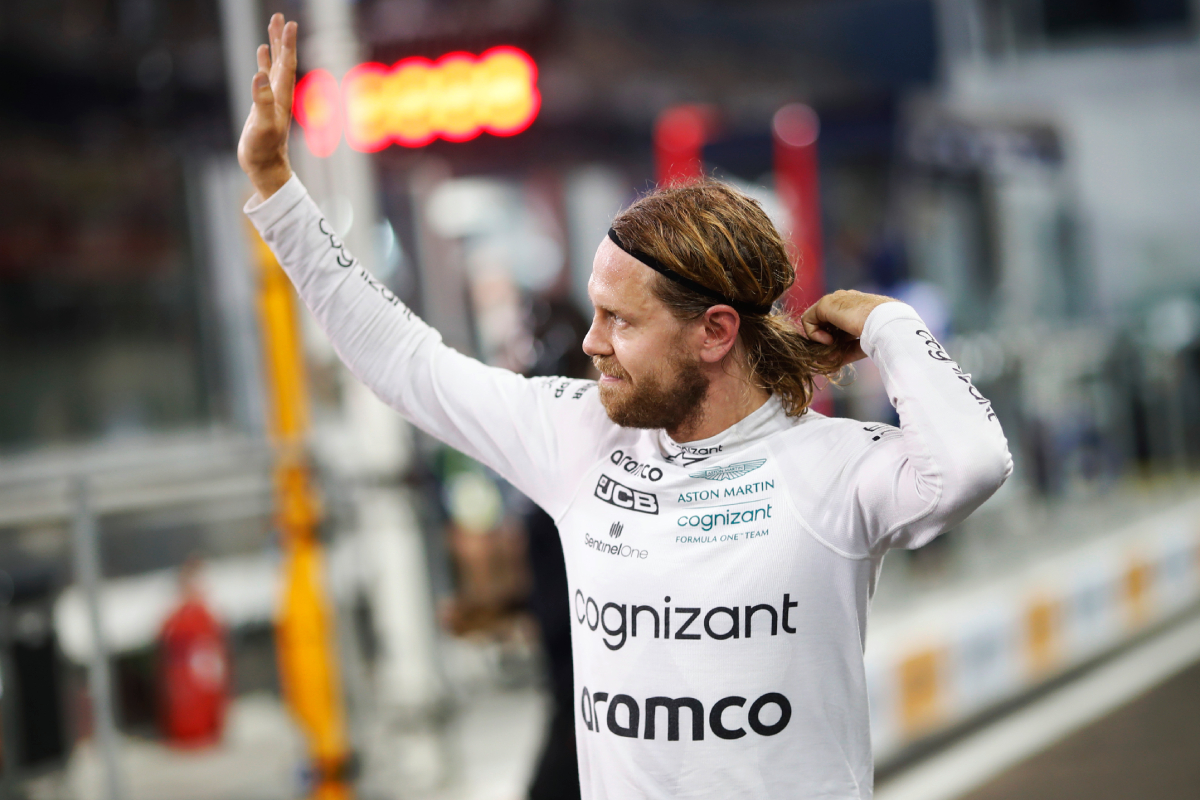
In this article, readers will explore the multifaceted economic impact of Sebastian Vettel’s retirement from Formula 1 on merchandise sales within the sport. Known as one of the most successful and popular drivers in recent F1 history, Vettel’s departure marks not only the end of an era on the track but also a significant shift in the commercial landscape surrounding the sport. We will delve into how Vettel’s retirement affects different categories of merchandise, the broader market dynamics, fans’ emotional connection to the brand, and what this means for teams, sponsors, and the industry as a whole.
Sebastian Vettel’s Legacy and Influence on F1 Merchandise
Before examining the economic consequences of Vettel’s retirement, it is essential to understand the extent of his influence on Formula 1 merchandising. Over his career, Vettel has become synonymous with excellence, clinching four World Championships and capturing the hearts of millions of fans worldwide. This connection has translated into strong merchandise sales, with items such as team apparel, replica helmets, and personalized memorabilia carrying Vettel’s name and number.
Official merchandise like shirts celebrating his championships and posters commemorating his career milestones have enjoyed consistent demand. Fans often purchase these items not just as memorabilia but as expressions of loyalty and appreciation for a driver who has made a lasting impact in the sport.
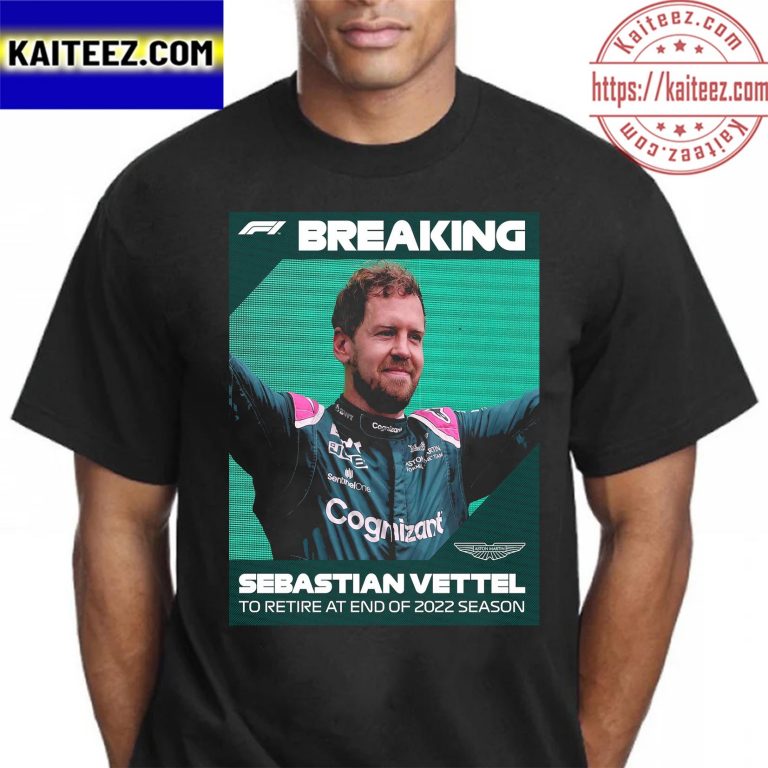 The image above shows a popular retirement poster celebrating Vettel’s four World Championships, a type of merchandise that experiences spikes in sales during key announcements and milestones.
Immediate Effects on F1 Merchandise Sales Post-Retirement Announcement
When Vettel publicly announced his retirement, the immediate reaction among fans was a surge in purchasing activity related to his merchandise. This phenomenon is common among dedicated followers who seek to secure memorabilia while the driver is still in public consciousness. Official stores and third-party sellers often report spikes in sales of Vettel-branded merchandise such as caps, jackets, posters, and limited-edition collectibles.
This short-term boost can have a significant economic impact by generating a flurry of commercial activity, benefiting not only merchandisers but also teams and sponsors tied to Vettel. The “farewell effect” is a recognized pattern in sports merchandising where retirement announcements rekindle consumer interest and incentivize purchases.
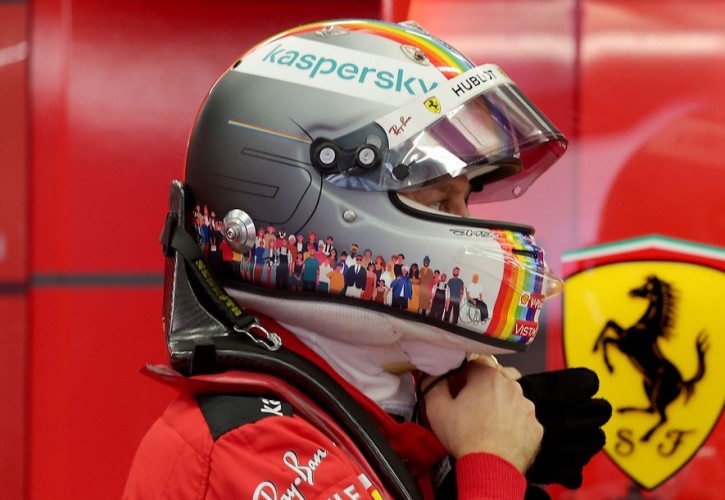
 Images capturing Vettel in racing action, like the one above, often become popular elements in merchandising campaigns, resonating with fans who want to preserve memories of his last seasons.
Long-Term Impact: Declining Demand and Market Shifts
While the immediate post-announcement surge is positive, the long-term effects tend to tell a different story. As Vettel exits the sport, the frequency and visibility of new merchandise releases under his name are expected to decline. Without active participation in races, new apparel and accessories directly linked to his performance and on-track achievements will naturally diminish. Consequently, demand for Vettel-specific merchandise is likely to taper off, especially among casual fans.
Moreover, new fans who emerge after Vettel’s retirement may gravitate toward current athletes, diluting Vettel’s share in the overall merchandise market. This shift can significantly impact manufacturers’ and retailers’ inventory planning, as they may reduce Vettel merchandise production in favor of promoting trending drivers. For smaller vendors and specialist merchandisers, this transition poses both a challenge and an opportunity to capitalize on vintage and rare items.
Economic Impact on Team and Sponsor Merchandise
Vettel’s retirement also resonates beyond just his personal brand. As a driver associated with top teams like Red Bull Racing and Ferrari, his merchandise sales contributed substantially to broader team revenue streams. The departure of a high-profile figure can influence the popularity of team-branded merchandise, especially items featuring Vettel’s car number or signature.
Sponsors who contributed to Vettel’s career also experience shifts in merchandise dynamics. Promotional items often feature the driver prominently, and their effectiveness depends on the driver s ongoing visibility and performance. With Vettel’stepping away from racing, sponsors may look to pivot their marketing strategies toward active drivers, impacting collaborations and licensing agreements tied to Vettel-branded products.
Fan Sentiment and Emotional Connection Driving Merchandise Trends
The emotional bond fans share with Sebastian Vettel plays a critical role in driving merchandise sales, especially in a sport as passionate as Formula 1. Since the announcement of retirement, many fans have engaged in nostalgic purchasing behavior, seeking to own tokens of a career they admired. Collectibles like signed posters, limited-edition t-shirts, and commemorative helmets gain value, often increasing prices on the resale market.
However, once the initial surge settles, fan engagement can wane without ongoing performance narratives to sustain interest. This emotional arc reveals why F1 teams and merchandisers often diversify their portfolios quickly, promoting emerging stars alongside veterans.
Looking Ahead: Strategies for Mitigating Economic Impact
To counteract the long-term decline in Vettel-specific merchandise sales, teams and license holders are adopting several strategies. One approach involves transforming Vettel-related products into “legacy” or “classic” collections that appeal to nostalgic fans and collectors. By emphasizing Vettel’s career highlights and maintaining an exclusive feel, merchandise can retain value and desirability.
Another tactic includes enhancing digital merchandise and fan experiences, such as virtual memorabilia, signed NFTs (non-fungible tokens), and retrospective documentaries featuring Vettel’s career. These contemporary offerings can open new revenue streams while ensuring Vettel’s brand remains relevant.
Conclusion
Sebastian Vettel’s retirement from Formula 1 presents a complex economic scenario for merchandise sales. While an immediate surge in purchases occurs following his retirement announcement, the long-term outlook suggests a gradual decline in demand for new Vettel merchandise. This shift affects not only Vettel-branded items but also team and sponsor products intertwined with his presence.
Fan sentiment and emotional connections will continue to influence merchandise trends, especially in the collector s market, sustaining certain economic activities. The challenges posed by Vettel’s retirement encourage teams, license holders, and sponsors to innovate with legacy product lines and digital fan experiences to maintain economic viability.
Ultimately, Vettel’s departure from the sport marks a significant transition point one that blends closure with opportunity, reshaping the economic landscape of Formula 1 merchandising for years to come.


// Discussion