
In this article, we delve into the historic milestone of Ferrari’s 1000th Grand Prix at the Mugello Circuit, a moment charged with emotion, expectations, and dramatic outcomes. We take a closer look at the significance of this landmark event, explore Charles Leclerc s performance in the Ferrari’sF1000 during the Tuscan Grand Prix, and examine Sebastian Vettel’s poignant yet disastrous homecoming amidst the passionate backdrop of Ferrari’s devoted fanbase. Join us as we uncover the layers of fascination that surround this iconic occasion in Formula 1 history.
The Historic Significance of Ferrari’s 1000th Grand Prix
On September 13, 2020, the Tuscan Grand Prix at the Mugello Circuit marked an outstanding achievement for Scuderia Ferrari its 1000th Formula 1 World Championship race. This milestone reflects not only the Italian team s longevity but also its critical role in shaping the landscape of motorsport. Ferrari is the oldest and most successful team on the Formula 1 grid, and reaching a thousand races is a testament to its unwavering dedication, innovation, and passion for racing.
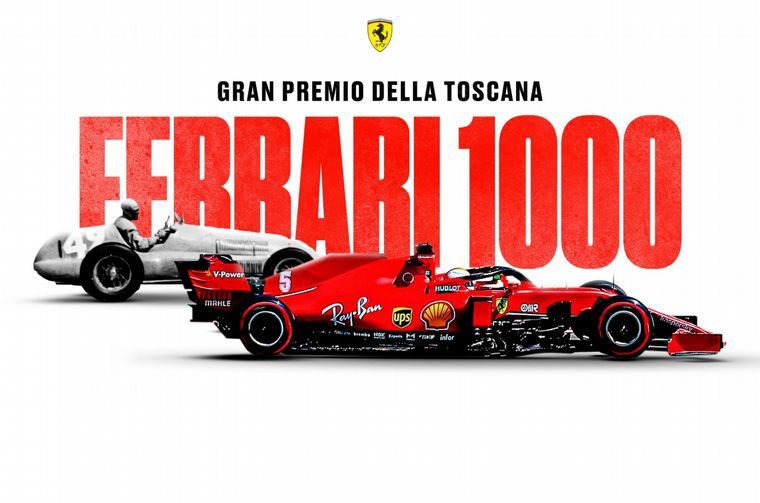 The race at Mugello carried immense emotional weight for Ferrari fans worldwide. Mugello, nestled in the Tuscan hills, is not a regular fixture on the F1 calendar, adding to the allure and uniqueness of this celebration. The Tuscan Grand Prix was more than just another race; it was a historic tribute to Ferrari’s remarkable journey spanning seven decades, marked by legendary drivers, engineers, and unforgettable moments.
Charles Leclerc and the sF1000: High Hopes at Mugello
For the 2020 Tuscan GP, Ferrari’s hopes were pinned on Charles Leclerc driving the sF1000. This car was designed to correct the setbacks seen earlier in the season, though the team was still struggling to reclaim its competitive edge amid a field dominated by Mercedes and Red Bull Racing. Leclerc, a promising young talent, was eager to prove himself and carry the Ferrari legacy forward on such a momentous occasion.
 Despite the challenges, Leclerc s performance demonstrated glimpses of brilliance. He fought hard on a demanding track, pushing the limits of the sF1000, navigating the tricky Mugello curves with skill and determination. His car was an embodiment of modern Ferrari technology and a symbol of hope that glory days were not entirely behind the scuderia. However, the event also underscored the ongoing struggles Ferrari faced that season, highlighting the competitive gap they needed to close.
Vettel’s Emotional Homecoming: A Disastrous Turn
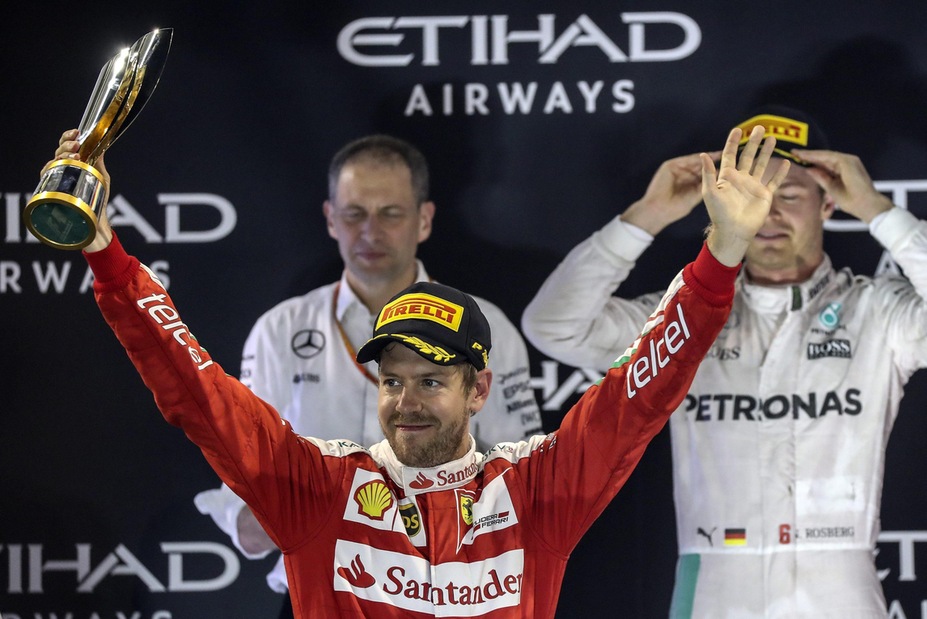
The 1000th Grand Prix was especially poignant for Sebastian Vettel, Ferrari’s four-time world champion, returning to Tuscana with immense anticipation for an emotional homecoming. Although born in Germany, Vettel’s tenure with Ferrari had deeply intertwined him with the team and its legions of passionate supporters, making this race a sentimental occasion to reconnect with fans and the team’s rich history.
Tragically, the day did not unfold as hoped for Vettel. Instead of providing a triumphant return, the Tuscan GP became a nightmare featuring a series of mishaps and misfortunes. No matter how much resilience he displayed, Vettel’s race was marred by mechanical issues and strategic errors, forcing him into an early retirement that crushed both his personal hopes and the larger celebratory mood surrounding Ferrari’s grand milestone.
This disappointing outcome served as a stark reminder of the difficulties Ferrari faced in that challenging season, despite the overwhelming support and high expectations. It highlighted the fragile balance between legacy and present struggles, deepening the emotional layers associated with this historic race.
The Deeper Fascination Behind Ferrari’s 1000th Race
What makes Ferrari’s 1000th Grand Prix at Mugello so captivating extends beyond the numbers or statistics. It embodies a narrative steeped in passion, endurance, and an almost mythic connection between team and fan. Ferrari isn’t just a racing team; it’s a symbol of Italian pride and craftsmanship, a tapestry of heritage interwoven with motorsport s evolution.
The enthusiasm surrounding this milestone exposed a universal phenomenon in sport the fascination with legacy and the human stories behind victories and defeats. Fans don’t simply root for a winner; they invest emotionally in journeys marked by triumphs and tribulations. Mugello s Tuscan GP was a crystallization of these sentiments, with the highs of Leclerc s resolve and the sorrow of Vettel’s misfortunes painting a comprehensive picture of the struggle inherent in elite racing.
 Moreover, the 1000th GP also sparked conversations about Ferrari’s future. Fans and analysts speculated on what this milestone signified for the team s next chapter a transition era with young talent like Leclerc ready to lead Ferrari back to its former glory. The Mugello race became a symbolic crossroads, where legacy met contemporary challenges, fueling hopes for a revival.
Conclusion
Ferrari’s 1000th Grand Prix at the Mugello Circuit was far more than a numeric landmark; it was an emotional and historic event shrouded in celebration, tension, and disappointment. The impressive feat of reaching one thousand World Championship races highlighted Ferrari’s unparalleled heritage, while Charles Leclerc s determined drive and Sebastian Vettel’s poignant struggles personalized the team s ongoing battle in Formula 1.
This event illuminated the deep roots of Ferrari’s allure the blend of human passion, technological innovation, and indomitable spirit that makes the team a beloved giant in motorsport. Though the Tuscan GP did not provide a perfect fairy-tale ending, it enriched the Ferrari’story, reminding us why we remain captivated by the drama and unpredictability of racing.
// Discussion