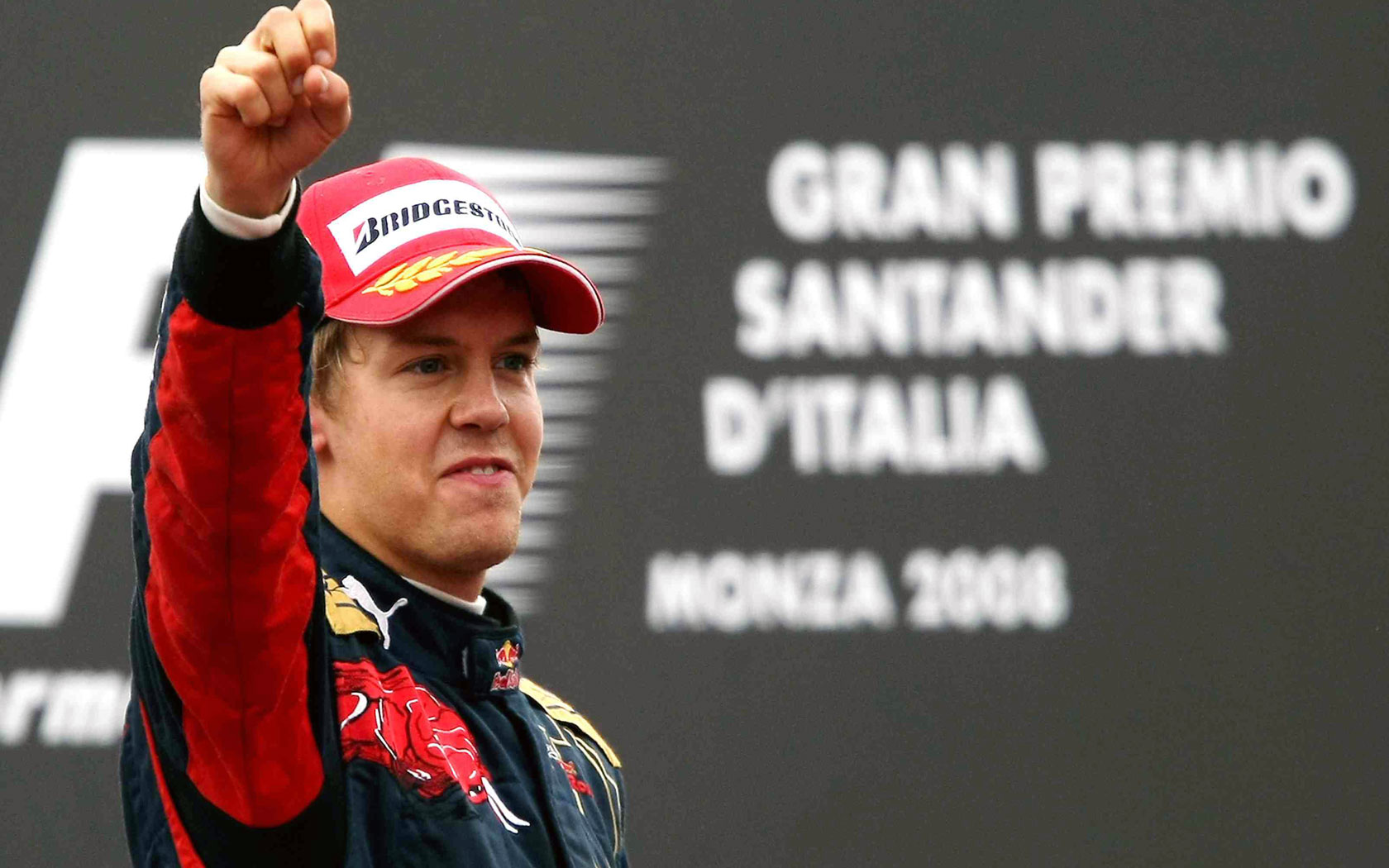
Discover the intriguing story behind Sebastian Vettel’s surprising secret weapon during his early Formula 1 career: the powerful Ferrari engine housed inside the Toro Rosso chassis. Could this unique combination have been the hidden key to his initial success, or was it a challenge that tested his skill to the fullest? In this article, we delve into the history, technical details, and implications of the Ferrari engine powering the Toro Rosso under Vettel’s command.
The Unlikely Partnership: Toro Rosso and Ferrari
When you think of a Ferrari-powered F1 car, images of the iconic red Scuderia Ferrari dominate your mind. However, in the late 2000s, an exciting and somewhat unusual partnership emerged when Scuderia Toro Rosso, the junior team of Red Bull Racing, operated with an engine supplied by Ferrari. This collaboration stretched beyond mere engine supply it served as a platform for young talents like Sebastian Vettel to prove their mettle in a car equipped with a powerhouse heart.
Toro Rosso s approach was strategic. The team used the Ferrari engine to leverage proven performance and reliability while maintaining a smaller budget and development scale compared to the Ferrari works team. The coupling of a Ferrari V8 engine with an agile yet less complex car chassis presented a blend that was both fascinating and challenging for the drivers.
 Ferrari V8 Engine: The Beating Heart of the Toro Rosso
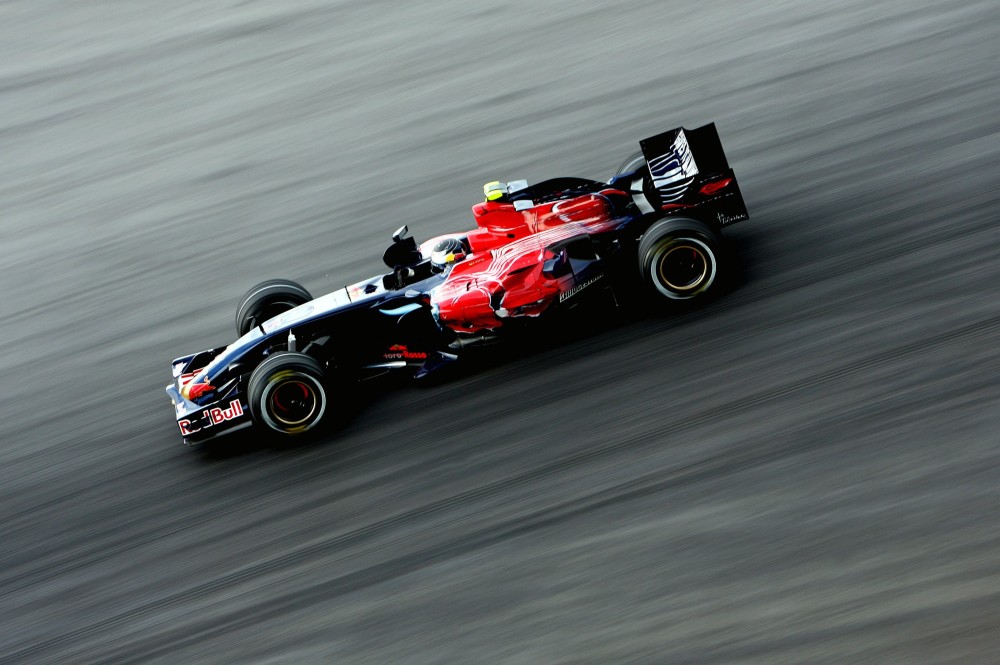
The Ferrari engine that powered the Toro Rosso was a 2.4-liter V8, naturally aspirated unit introduced to Formula 1 in the 2006 season to replace the previous V10s. This engine was renowned for its excellent horsepower and reliability in a fiercely competitive environment. By the time Vettel joined Toro Rosso in 2007, the Ferrari V8 had already undergone several evolutions, improving its power curve and throttle response.
For a young driver like Vettel, this engine presented both an opportunity and a challenge. While the engine s power delivery was a significant advantage, integrating it efficiently into the smaller Toro Rosso chassis required finesse. The car s aerodynamics and handling had to be optimized to complement the raw power under the hood. In many respects, driving a Ferrari-powered Toro Rosso was akin to taming a spirited stallion demanding precision, adaptability, and courage.
 Why Was This Combination Considered a Secret Weapon?
At first glance, putting a Ferrari engine in a smaller, less resourced team s car doesn’t scream secret weapon. But this combo performed surprisingly well, especially during the 2008 season, proving that it was more than just a casual partnership. Vettel’s impressive victory at the 2008 Italian Grand Prix at Monza marked the first win for the team and validated the concept of marrying Ferrari reliability and power with Toro Rosso s nimble chassis design.
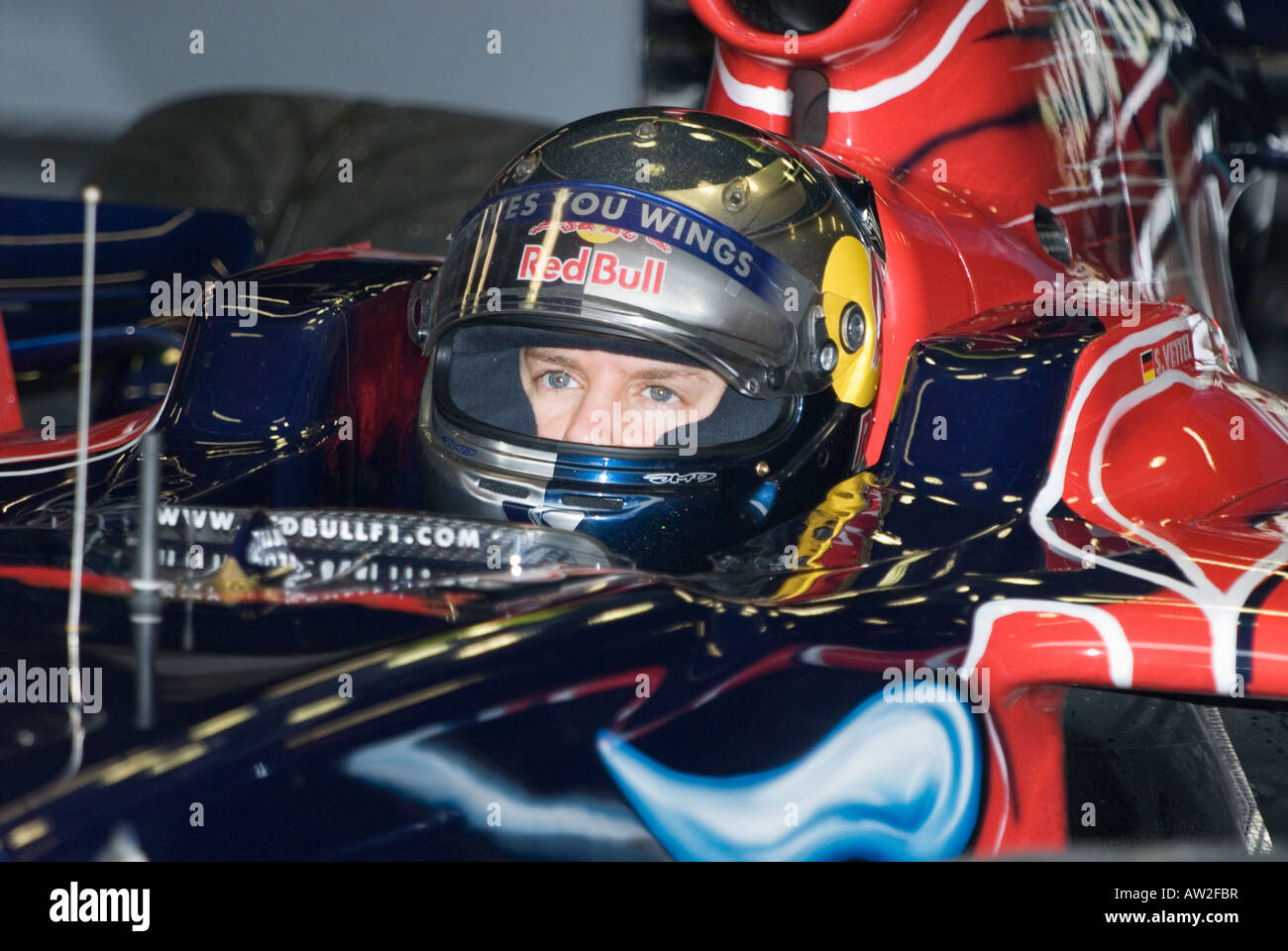
The secret sauce wasn t just the engine itself but how Vettel’s driving style meshed with the car s characteristics. The Ferrari engine delivered substantial torque and power, but without a matching chassis and aerodynamic package, that power could easily become unruly. Vettel’s mature racecraft at just 21 years old meant he could exploit the engine s strengths while minimizing the car s limitations. This combination provided a significant advantage over other midfield cars with less potent power units.
Challenges of Harnessing Ferrari Power in a Toro Rosso Chassis
Though promising, the Ferrari engine s integration wasn t without its hurdles. Toro Rosso s car was fundamentally designed with a different power unit and aerodynamic philosophy in mind, requiring extensive reengineering to accommodate Ferrari’s V8.
Cooling systems, weight distribution, and engine mapping were just some areas demanding detailed attention from the engineers. These technical challenges risked compromising the car s balance and reliability, yet overcoming them underscored the team s commitment to punching above their weight. Vettel had to adapt to nuances such as engine braking characteristics and power delivery that differed from what other drivers experienced, all while racing against some of the sport s greatest athletes.
Impact on Vettel’s Career and Formula 1 History
This Ferrari-Toro Rosso alliance didn’t just create a winning car; it launched a star. Vettel’s victory in a Ferrari-powered Toro Rosso at Monza became a landmark moment, holding the record as the youngest-ever Grand Prix winner at the time. The experience gained from mastering a high-performance Ferrari engine inside a less conventional package honed Vettel’s technical understanding and driving versatility, helping shape his future success at Red Bull Racing and beyond.
Moreover, this partnership showcased that Formula 1 success could come from innovative combinations and creative thinking, inspiring teams to continually reassess how to best exploit available resources to compete at the highest level.
Conclusion
So, was the Ferrari engine in a Toro Rosso car merely a quirky experiment, or truly Sebastian Vettel’s secret weapon during the nascent stages of his illustrious Formula 1 career? The answer likely lies somewhere in between. While the Ferrari powertrain provided undeniable performance advantages, it was Vettel’s ability to master the unique dynamics of that pairing that transformed an underdog into a race winner.
This remarkable chapter highlights how a high-caliber engine, when paired with the right driver and team grit, can defy expectations and change the trajectory of motorsport history. It also raises another playful question for F1 fans: If the secret weapon was a Ferrari engine in a Toro Rosso, what hidden powers might lurk in today s midfield teams, waiting to be unleashed?


// Discussion