In this article, readers will explore the fascinating world of the Monaco Tunnel, a legendary segment of the Monaco Grand Prix circuit, renowned not only for its technical challenges but also for its unique auditory experience. Rich with history and modern racing thrills, the tunnel holds a special place in Formula 1, famously known as Sebastian Vettel’s favorite sound moment. This comprehensive coverage delves into the tunnel’s architecture, its significance in racing, the sensory experience it offers, and why it captivates drivers and fans alike.
The Architectural Marvel of the Monaco Tunnel
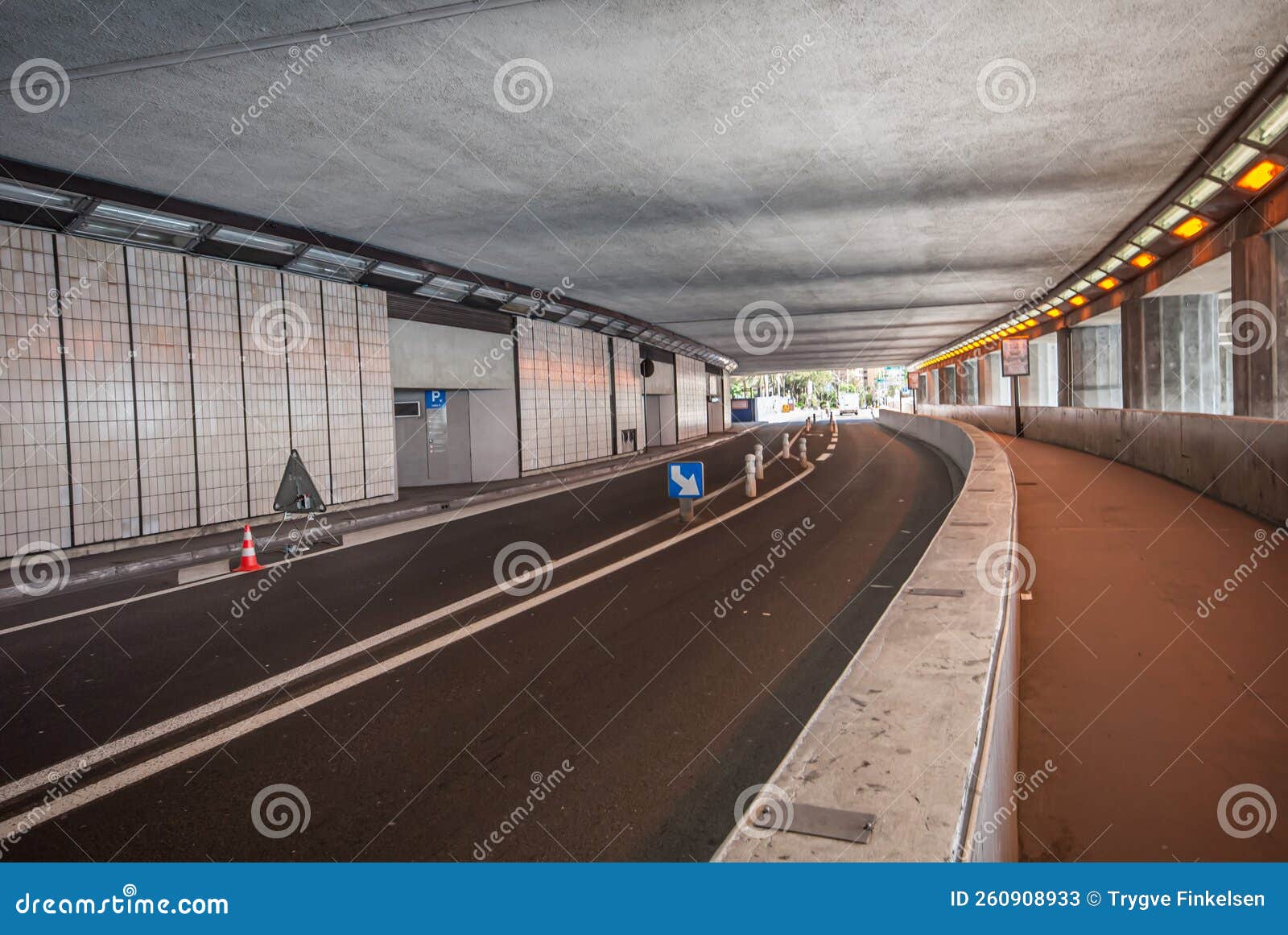
The Monaco Tunnel, officially part of Boulevard Louis II, is one of the most iconic features of the Monaco Grand Prix street circuit. This underground passage spans approximately 300 meters beneath the city and connects the harbor area to the western part of Monaco. Unlike typical race circuits, the tunnel transforms a bustling city into a high-speed raceway, accentuating Monaco’s blend of urban sophistication and motorsport heritage.
Driving through the tunnel is a unique experience for F1 drivers as the track surface changes and aerodynamic conditions shift significantly. The lighting inside the tunnel is carefully designed to provide optimal visibility while maintaining the underground ambiance. Walls adorned with reflective surfaces and safety barriers line the corridor, intensifying the sensation of speed and focus required as drivers race through this enclosed space.
 The Tunnel s Role in the Monaco Grand Prix
The Monaco Tunnel isn’t just a passageway; it is a crucial element that influences race strategies and driver performance. As one of the few fully enclosed sections of any F1 circuit, the tunnel affects vehicle handling due to altered grip and aerodynamic drag when compared to open-air segments. Drivers must adjust their approach since the tunnel s micro-climate and lighting differ markedly from the open parts of the track.
Additionally, its high-speed nature amid one of the tightest circuits on the F1 calendar demands utmost precision. Passing or defending positions within the tunnel is extremely challenging due to narrow track width and reduced visibility. Consequently, the tunnel often becomes a place where lap times can be improved or lost, making it a crucial focus area during qualifying and races alike.
The sensory and Acoustic Experience: Vettel’s Favorite Sound
One of the most talked-about attributes of the Monaco Tunnel is the distinctive soundscape it creates. Four-time World Champion Sebastian Vettel famously described the blasting roar of F1 engines echoing inside the tunnel as his “favorite sound” in Formula 1. This unique auditory sensation arises from the tight, reverberant space where the sound waves bounce off the hard tunnel surfaces, amplifying the engine notes to extraordinary levels.
For fans and drivers, this sonic spectacle is electrifying. The noise inside the tunnel carries a powerful intensity, creating a crescendo that heightens the atmosphere of the Monaco race. Spectators positioned around the tunnel entrance and exit areas often cite this as one of their favorite race moments, as it links the brilliance of high-speed racing with a visceral, sensory thrill. This blend of visual speed and an overwhelming auditory experience underscores the tunnel s status as a must-watch part of the Monaco Grand Prix weekend.
 Racing Dynamics and Challenges Inside the Tunnel
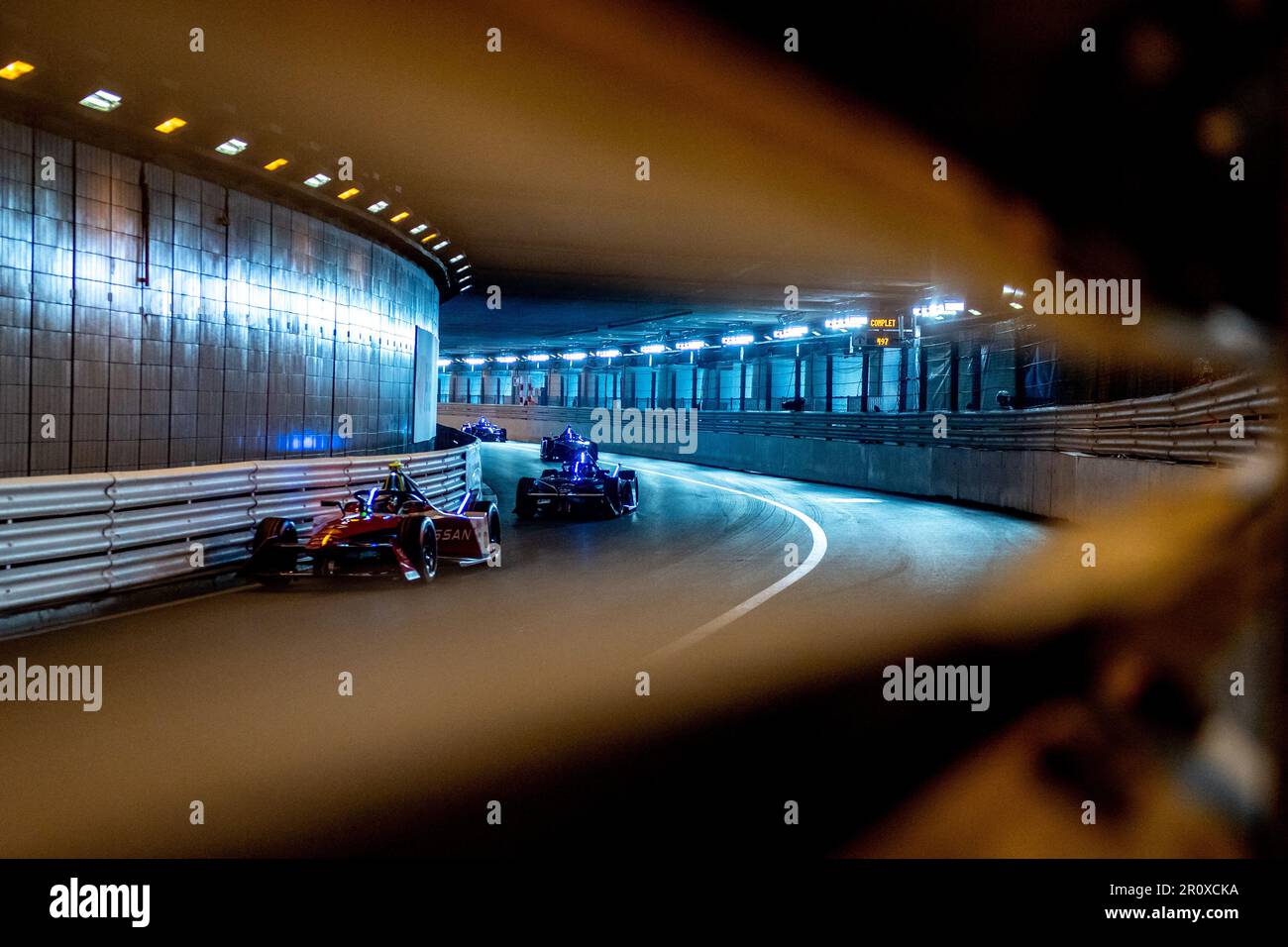
Racing through the Monaco Tunnel requires sublime skill and an acute awareness of vehicle dynamics. The enclosed environment creates a temporary drop in aerodynamic downforce and modifies tire grip, demanding delicate throttle control and steering precision. The tunnel is also the fastest section of the Monaco Grand Prix, with cars accelerating to speeds upwards of 280 km/h (175 mph) before the sharp exit corner.
The transition from bright sunlight into the tunnel s dimmer interior and then back into stark daylight creates a visual challenge, testing drivers reaction times and adaptability. A small miscalculation can result in a loss of control or time, magnified by the proximity of the tunnel walls and barriers. Due to this, drivers often treat the tunnel with a mixture of respect and caution.
 The Tunnel in Modern Motorsport and Its Evolution
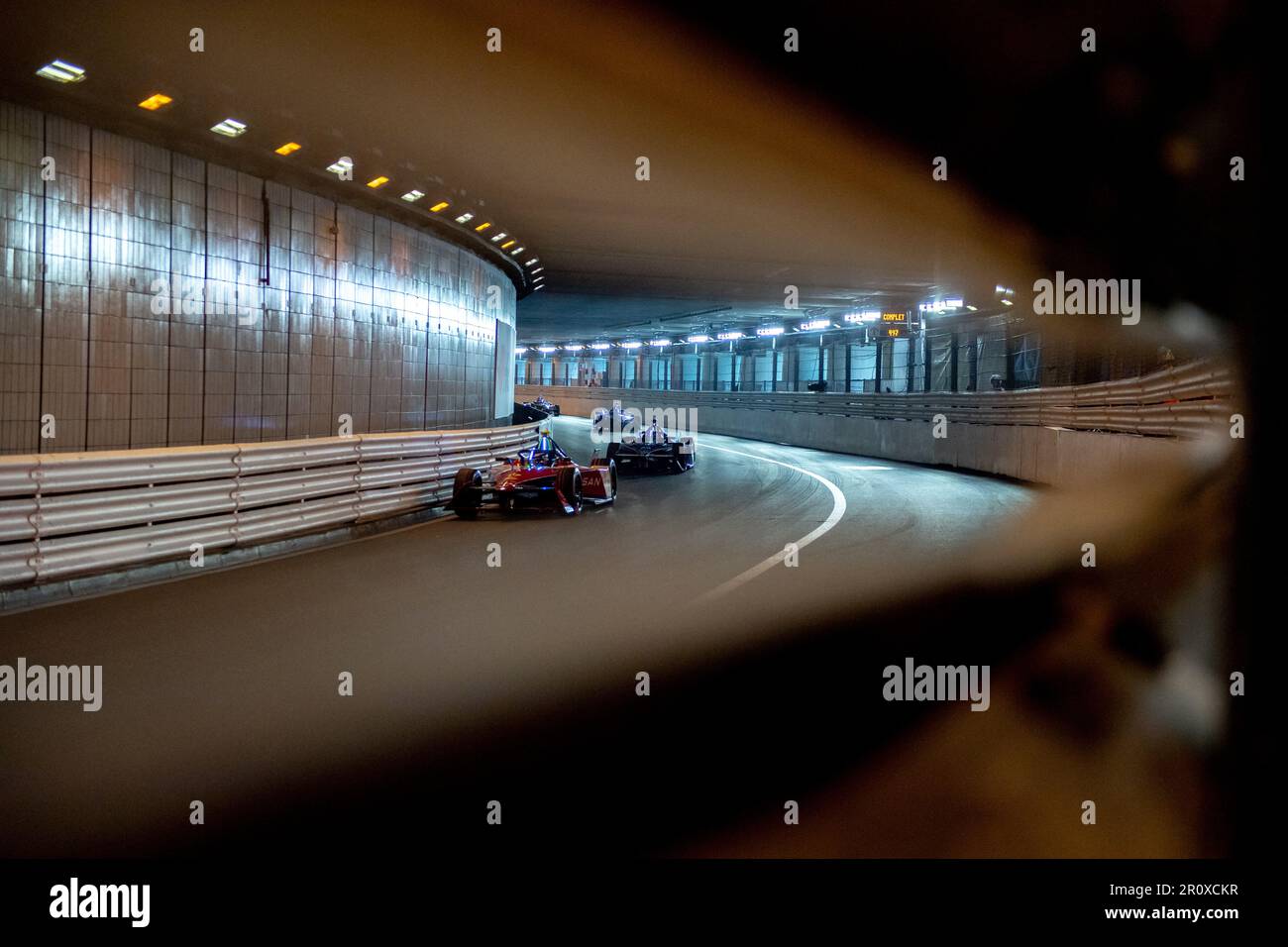
While the Monaco Tunnel has remained largely unchanged structurally, its significance has evolved with advances in motorsport technology. The rise of electric racing series, like Formula E, has seen the tunnel adapt to new types of racing cars that generate different sound profiles, power outputs, and aerodynamic setups. Despite these changes, the tunnel continues to captivate audiences, serving as a bridge between historic traditions and the modern era.
Monaco continues to invest in safety and infrastructure improvements, ensuring the tunnel remains compliant with contemporary racing standards without losing its famous character. It is anticipated that future innovations might further enhance the tunnel s spectacle, whether through improved lighting technology or interactive fan experiences.
Conclusion
The Monaco Tunnel stands as a testament to the unique blend of history, technology, and emotion that defines the Monaco Grand Prix. Beyond being a mere physical segment of the circuit, it offers drivers and fans an immersive sensory experience that, as Sebastian Vettel eloquently put it, includes one of the greatest sounds in Formula 1. From architectural marvel to racing crucible, the tunnel is integral to the drama and allure of Monaco s racing heritage.
Whether you are an avid motor racing fan, a history enthusiast, or simply intrigued by extraordinary sporting venues, the Monaco Tunnel encapsulates why the Monaco Grand Prix remains one of the most celebrated and cherished events in the world of motorsport.


// Discussion