Ever wondered how the intense competition between teammates in Formula One shapes the sport? Especially when two top drivers, like Sebastian Vettel and Mark Webber, share the same garage with one goal: supremacy. This article dives deep into the point gap that defined their rivalry, explores the dramatic moments that punctuated their seasons together, and quantifies the dominance each driver displayed. Ready to challenge your assumptions about teammate dynamics in Formula One?
The Early Dynamics: Vettel and Webber s Road to Rivalry
When Sebastian Vettel and Mark Webber became Red Bull Racing teammates, the stage was set for a captivating internal battle. Both drivers were talented and hungry for success, but it wasn t always smooth sailing. Their rivalry quickly drew attention, not only for the fierce on-track battles but also for the behind-the-scenes tension.
Webber, a seasoned veteran by the time Vettel joined Red Bull, expected cooperation maybe even some concessions. Vettel, on the other hand, was an emerging star eager to prove himself as a future world champion. it’s no surprise then that their competition often morphed into outright conflict.
The Multi 21 Fiasco: Where Team Orders Met Individual Ambition
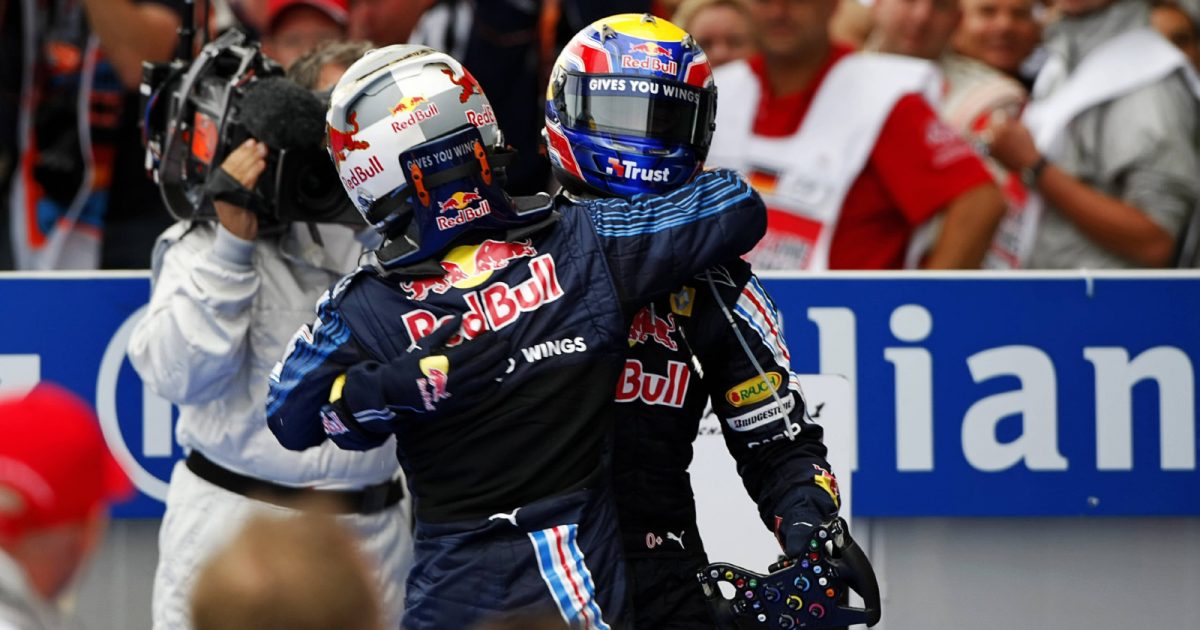
Perhaps no moment better illustrates the tension between Vettel and Webber than the infamous “Multi 21” incident at the 2013 Malaysian Grand Prix. Red Bull issued a clear team order Webber, running ahead, was to maintain his position, with Vettel behind him safely preserving the team s one-two finish. However, Vettel’s interpretation was different.
Ignoring team strategy, Vettel overtook Webber despite the coded instruction, sparking outrage and becoming a watershed moment in their rivalry. This breach of trust didn’t just cost Red Bull a perfectly orchestrated race win; it also exposed the fault lines in their partnership. The incident remains one of the most talked-about team order controversies in Formula One history and serves as a vivid example of how teammate dominance isn’t always friendly competition.

Statistical Supremacy: Quantifying the Point Gap
Now, while fiery moments make gripping stories, numbers tell the true tale. Over their seasons racing together at Red Bull, the disparity in points between Vettel and Webber illustrated a clear dominance. Vettel wasn t just competitive; he was significantly ahead in the championship standings, a fact that fueled the rivalry even further.
For example, during Vettel’s championship-winning runs, he amassed points almost twice as quickly as Webber in certain seasons. This points gap wasn t merely a reflection of individual race wins but a consistent display of performance across qualifying, race pace, and reliability.
Moreover, Vettel’s ability to adapt and extract maximum performance from the car provided him with an edge in tight situations. Webber, despite royal flashes of brilliance and his status as a veteran tactician, often found himself playing catch-up a dynamic that created tension but also pushed both drivers to elevate their game.
The Impact on Team Dynamics and Legacy
The rivalry shaped Red Bull’s approach to team orders, driver management, and the overall racing culture within the team. The ever-present question: How do you balance two competitive drivers ambition with team success? The Vettel-Webber saga revealed the complexities of that challenge.
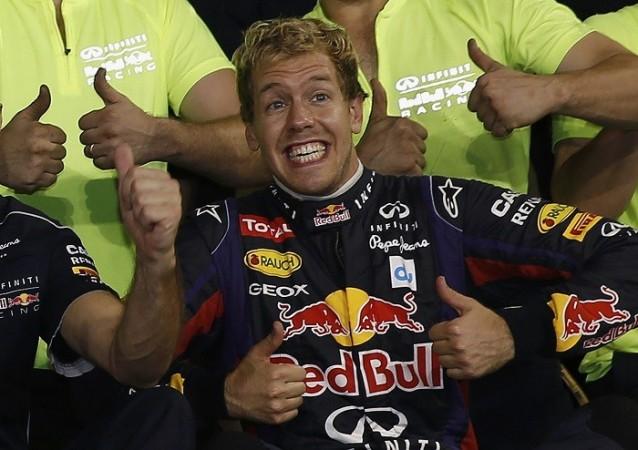
For Vettel, the point gap affirmed his status as Red Bull’s golden boy and established his legacy as a four-time world champion. For Webber, it underscored a career marked by near misses and a struggle for consistency against an extraordinary teammate. Both drivers left an indelible mark on Formula One, and the intensity of their competition arguably pushed Red Bull to new heights.
Conclusion
So, what does the point gap between Sebastian Vettel and Mark Webber really tell us? Beyond the stats, it highlights a fundamental truth about Formula One: teammate rivalries can be as fierce as battles on the track, if not more so. The margin by which Vettel outscored Webber wasn t just a number it was a narrative of ambition, trust, betrayal, and relentless pursuit of excellence.
In the end, did Vettel’s dominance help Red Bull’secure multiple championships, or did it erect barriers that could have been avoided? And does a wider point gap always guarantee superior talent, or can it mask untapped potential masked by internal conflict? The Vettel-Webber story challenges us to consider how teams balance individual glory with collective goals. Perhaps next time you watch two teammates wheel-to-wheel, you ll wonder who s really winning the battle behind the helmet?

// Discussion