
In the world of Formula 1, where milliseconds make champions and engineering perfection determines the fate of a season, every detail matters. The 2011 season is often remembered as a battle not just between drivers but between engineering masterminds the RB6 and the McLaren MP4-25. This article delves into why Sebastian Vettel’s Red Bull RB6 was not just a car, but a masterpiece of mechanical artistry and aerodynamic prowess that outshone its rivals, including the significantly capable McLaren MP4-25. Join us as we explore the intricate engineering differences, aerodynamic superiority, and strategic craftsmanship that positioned the RB6 as an iconic machine in F1 history.
The Engineering Symphony: Red Bull RB6 vs. McLaren MP4-25
Think of the RB6 and the MP4-25 as two orchestras vying for the audience s applause in a concert hall that rewards precision and fluidity. Each component, from the chassis to the suspension, played notes that could either harmonize into victory or fall into mechanical discord. The Red Bull RB6, designed under the visionary guidance of Adrian Newey, was a meticulously crafted piece of engineering that embodied innovation at every turn.
While the McLaren MP4-25 was no stranger to cutting-edge technology and reliability, the RB6 embraced a more revolutionary path, particularly with its ingenious aerodynamics and chassis setup. The car’s nimble responsiveness on circuits, especially those demanding high downforce and quick direction changes, stemmed from a structural philosophy that prioritized mechanical grip without sacrificing aerodynamic efficiency.
Aerodynamics: The Invisible Sculptor of Speed
The RB6 s aerodynamic package can be likened to a sculptor, meticulously carving airflow to maximize downforce and minimize drag. This invisible yet decisive artist shaped every curve, wing, and vent to produce a car that seemed to cling to the tarmac like a magnet while gliding through the air with minimal resistance.
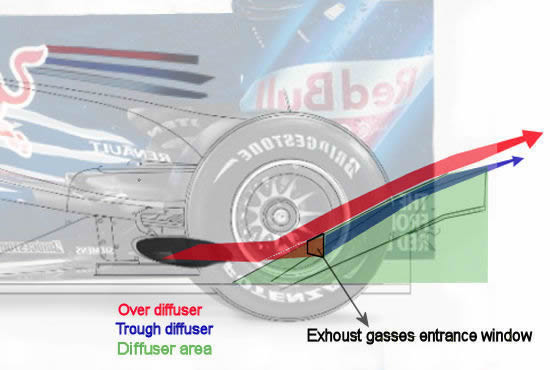
In contrast, the MP4-25 offered solid aerodynamic performance but often fell short in exploiting the fine margins that distinguish dominance from competitiveness. Red Bull’s innovative front wing design and rear diffuser gave the RB6 superior airflow management that translated into better balance and tyre preservation.
 Every element of the RB6 was a result of iterative refinement flaps that channeled air just perfectly, bargeboards that managed turbulent airflow, and a floor designed to create heavy ground effects. Together, these innovations made the RB6 a masterclass in aerodynamic finesse, enabling Vettel to carve through the field with unsurpassed stability and confidence.
Mechanical Grip and Suspension: The RB6’s Secret Dance
While aerodynamics often steal the spotlight, mechanical grip the contact between the tyres and the track can make or break a car s lap time. The RB6 showcased an extraordinary ability to maintain intricate control through its suspension geometry and tyre management. This was the RB6 s secret dance, a choreography between metal and rubber that allowed for exceptional cornering speeds and impeccable track feel.
McLaren s MP4-25 featured a capable suspension setup, but it leaned more toward traditional handling characteristics, which occasionally limited its ability to exploit the ultra-tight corners and quick direction changes that defined many circuits of the season.
Vettel’s car balanced the suspension stiffness with compliance, ensuring that the RB6 absorbed bumps while maintaining tyre contact and stability. This balance permitted aggressive driving with less degradation, a fundamental advantage over longer race distances.
Powertrain and Reliability: The Unseen Backbone
Both cars sported power units that delivered near-limitless horsepower, but the RB6 s integration between chassis and engine was a testament to holistic design. The powertrain wasn t simply an engine in a frame it was an integral part of the car s identity, allowing seamless delivery of torque and energy throughout the race.
Reliability, often underappreciated in the glamor of raw speed, was another pillar where the RB6 excelled. Maintaining consistent performance without mechanical failure over an entire season provided Vettel with the freedom to attack with confidence a crucial difference when chasing a world title.
Driver and Machine Synergy: Vettel’s Mastery Over the RB6
Engineering alone does not win races; it is the meeting point between human skill and mechanical prowess where greatness happens. Sebastian Vettel’s talent flourished behind the wheel of the RB6, as the car s character resonated perfectly with his driving style. The RB6 responded to his inputs with precision, rewarding his aggression and tactical acumen.
Where the MP4-25 sometimes demanded compromise, the RB6 demanded exploitation a call that Vettel answered masterfully. This synergy produced a partnership that wasn t just about speed but about anticipation and control, making the RB6 extension of Vettel’s will on track.
Legacy: More than Just a Car
The RB6 was more than a champion s car; it set new standards in the design language of Formula 1. Its philosophies on aerodynamics, chassis balance, and integration have echoed through the paddocks long after its retirement. The MP4-25 remains a formidable car in McLaren s storied history, but the RB6 s engineering eloquence placed it in a transformative league someone who rewrote the formula for success.
 Conclusion
The RB6 s dominance over the McLaren MP4-25 was not just a story of raw speed but a symphony of superior engineering, aerodynamic craftsmanship, and mechanical finesse. It embodied the future of F1 car design, where every curve and component contributes to a holistic masterpiece. Sebastian Vettel’s world championship win in the RB6 was a testament to this profound engineering excellence, proving that sometimes, innovation and a perfect marriage between driver and machine make all the difference. The RB6 wasn t just better it was a brilliant embodiment of what racing engineering aspires to be.

// Discussion