
Discover the intriguing world behind the lucrative bonus structures in Formula 1, focusing on Red Bull Racing s approach and how Sebastian Vettel’s remarkable $10 million per title bonus reshaped expectations. This article delves into the financial machinations that influence drivers contracts, explores recent developments involving Max Verstappen s bonuses, and examines what these high-stakes incentives reveal about team strategy and driver motivation.
The Anatomy of Red Bull’s Bonus Structure
Red Bull Racing, one of the most successful teams in Formula 1 history, has been known not only for its engineering excellence but also for a distinctive approach to driver compensation. Unlike a simple fixed salary model, Red Bull incorporates performance-based bonuses that can significantly inflate a driver s earnings. These contracts typically include substantial monetary incentives for achieving championship titles, race wins, and podiums.
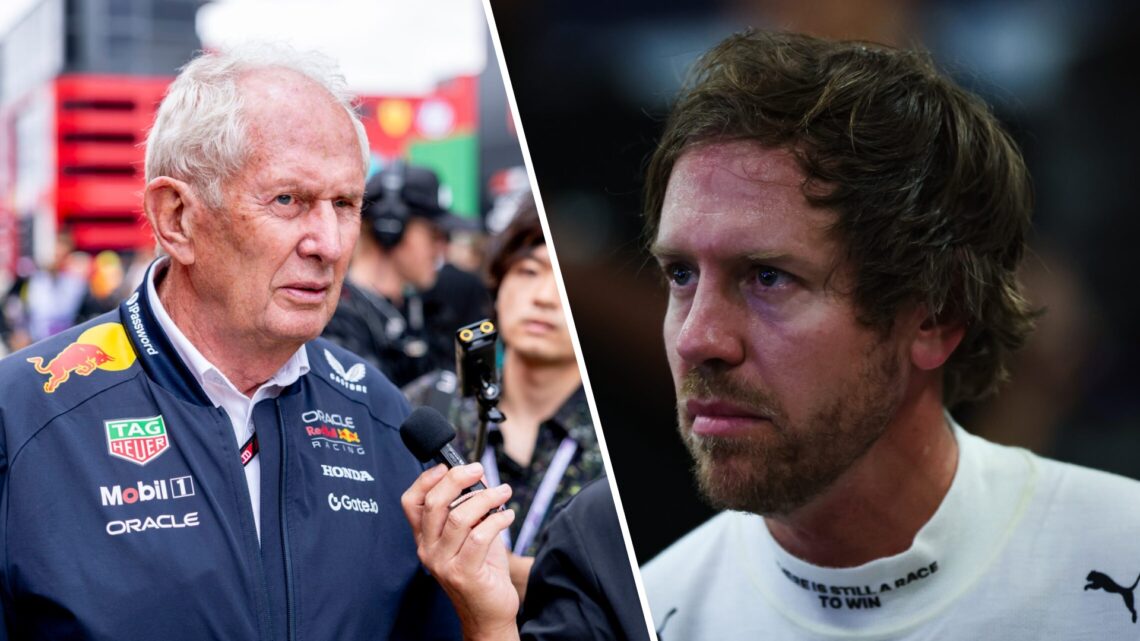
The crux of this structure lies in motivating drivers beyond their base pay rewarding exceptional performance that contributes to team success. Sebastian Vettel’s tenure at Red Bull epitomizes this method; his contracts reportedly included a staggering $10 million bonus per World Championship title, a sum that transcends conventional salary norms within the sport.
 How Sebastian Vettel’s Bonuses Set a New Benchmark
When Vettel clinched four consecutive World Championship titles from 2010 to 2013, Red Bull’s bonus system rewarded his dominance handsomely. The $10 million per title bonus was not only a testament to his driving skill but also a strategic move by the team to ensure loyalty and peak performance amid fierce competition from rival teams like Ferrari and Mercedes.
This generous incentive package reflects a dual purpose: to attract top talent and to foster an internal culture of ambition and excellence. Vettel’s earnings under this scheme made headlines, setting a benchmark for driver contracts and sparking discussion about the evolving economics of Formula 1. More than just a financial reward, the bonuses represented a psychological guarantee Vettel’s ability to reap massive rewards paralleled his on-track successes.
Max Verstappen s Reduced Bonus Despite Championship Glory
In contrast, Max Verstappen, despite securing multiple World Championships, reportedly faces a reduced bonus from Red Bull. This shift signals a nuanced recalibration of driver compensation philosophy at the team. While specific details remain confidential, insiders suggest that Verstappen s current structure includes less emphasis on large lump-sum bonuses and increased focus on base salary with other performance incentives scattered throughout the contract.
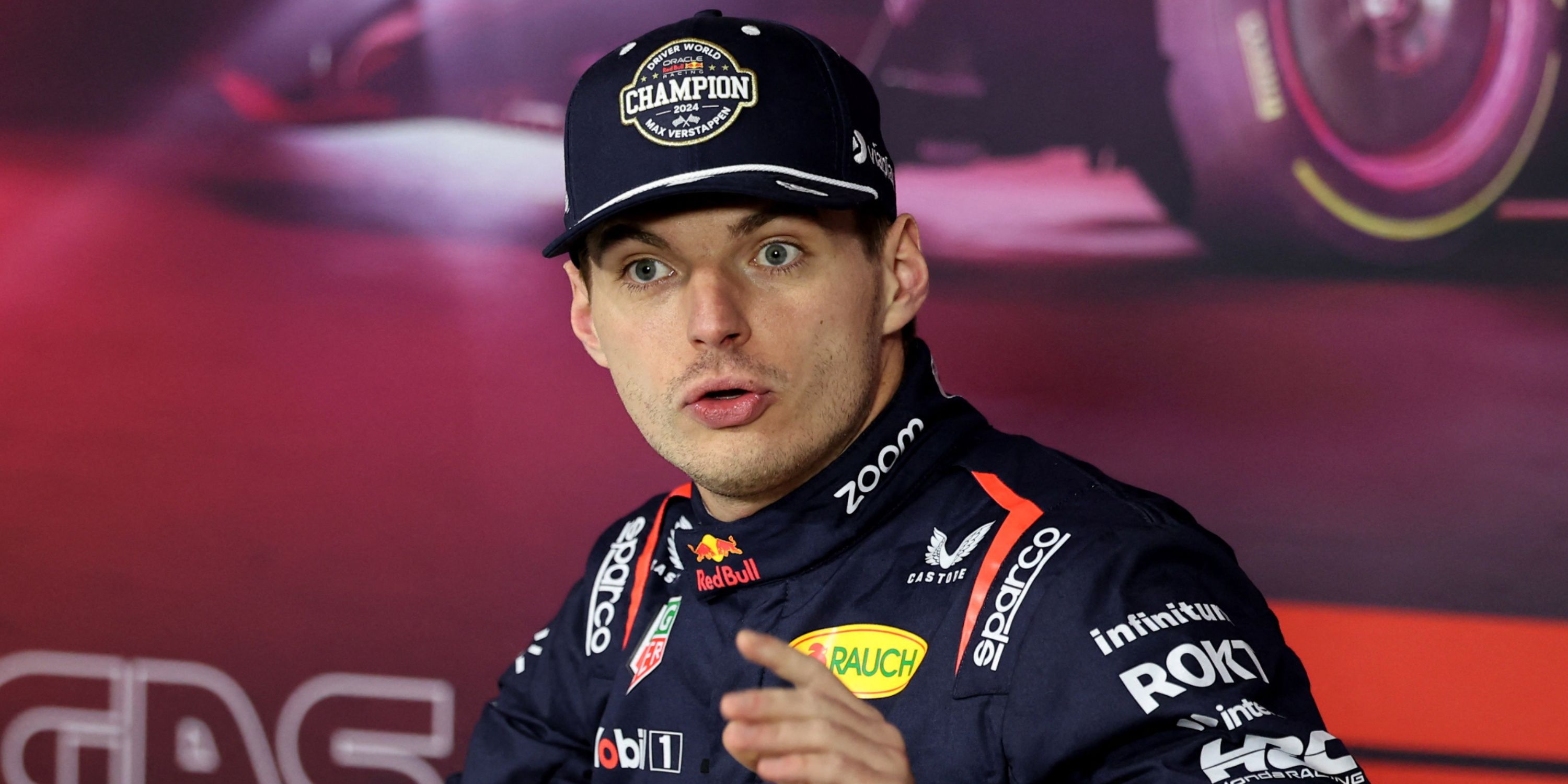 This adjustment may reflect changes in Red Bull’s broader strategy, potentially influenced by the evolving F1 financial regulations, budget caps, or market dynamics. Additionally, Red Bull might be aiming to align Verstappen s compensation more closely with team objectives beyond individual titles, such as sustained team performance, brand value, and long-term partnership stability. This marks a departure from the earlier model that emphasized singular reward milestones.
The Human Side: How Bonuses Influence Driver Dynamics
While financial incentives are crucial, the psychological impact of bonus schemes cannot be overstated. Red Bull’s bonus model, as demonstrated in Vettel’s era, often creates a competitive environment where drivers are motivated not only by the thrill of racing but also by the promise of lucrative payouts.
However, this can be a double-edged sword. Pressure to meet bonus targets may lead to heightened stress levels, influencing on-track decisions and team dynamics. In Vettel’s case, the substantial bonuses underscored trust and recognition, fostering resilience and drive. For Verstappen, the trend toward reduced bonuses might mean a different psychological landscape perhaps more focus on consistency and team cohesion rather than singular glory.
 Ralf Schumacher s Insight on Red Bull’s Present and Future Decisions
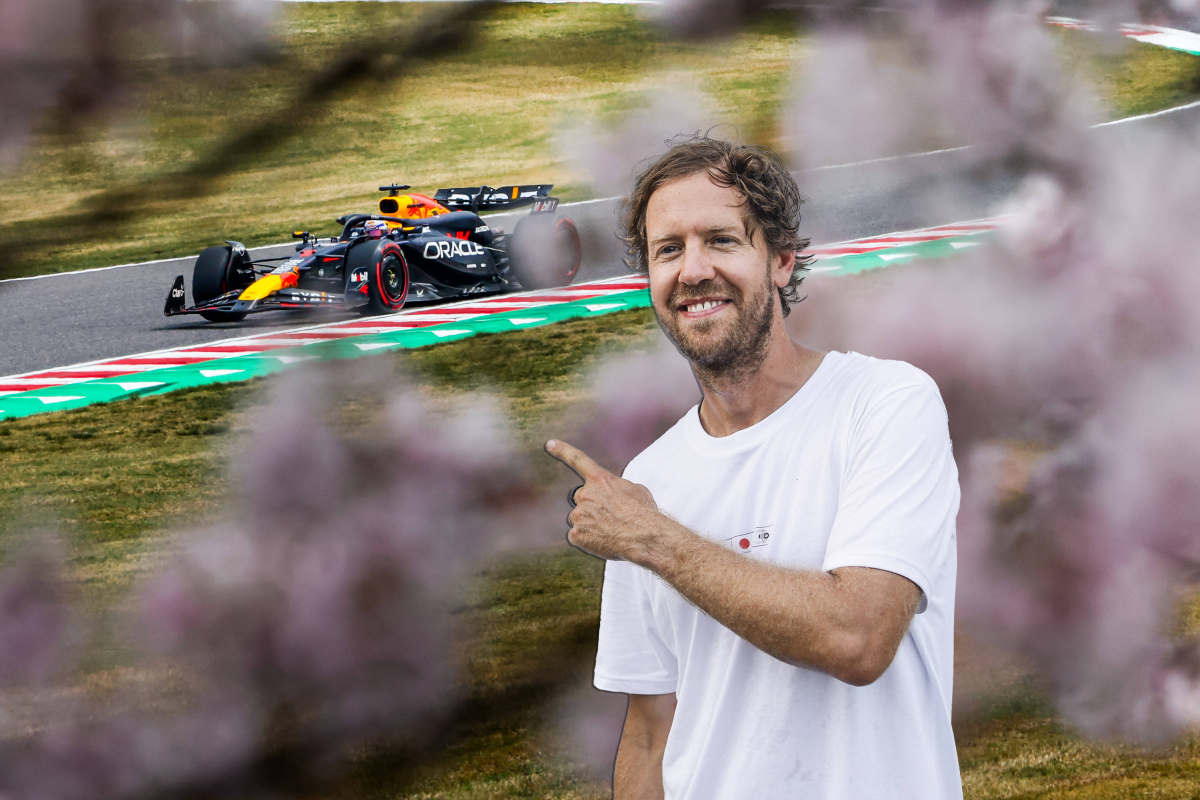
Commentator and former F1 driver Ralf Schumacher recently weighed in on Red Bull’s approach, suggesting the team is at a crossroads regarding its bonus and contract policies. The decision on how to balance base salaries, bonuses, and performance-related pay is pivotal in maintaining Red Bull’s competitive edge.
His perspective indicates that Red Bull is likely considering not just individual achievements but the broader team dynamic, continuity, and resilience when crafting driver contracts. This means adapting bonus schemes to better reflect the evolving nature of the sport and the need for sustainable, long-term success.
Conclusion
The story of Red Bull’s bonus structure, highlighted by Sebastian Vettel’s extraordinary $10 million per title bonus, offers a fascinating glimpse into the interplay between money, motivation, and motorsport excellence. As Red Bull’shifts its approach with Max Verstappen s contract modifications, we observe the team s responsiveness to changing regulations, market conditions, and strategic priorities.
This evolution challenges prior assumptions about driver compensation and invites fans and industry insiders alike to reconsider the relationship between financial rewards and racing ambition. Ultimately, Red Bull’s approach elucidates a broader lesson: in the high-octane world of Formula 1, how you pay your drivers is just as critical as how they perform on race day.


// Discussion