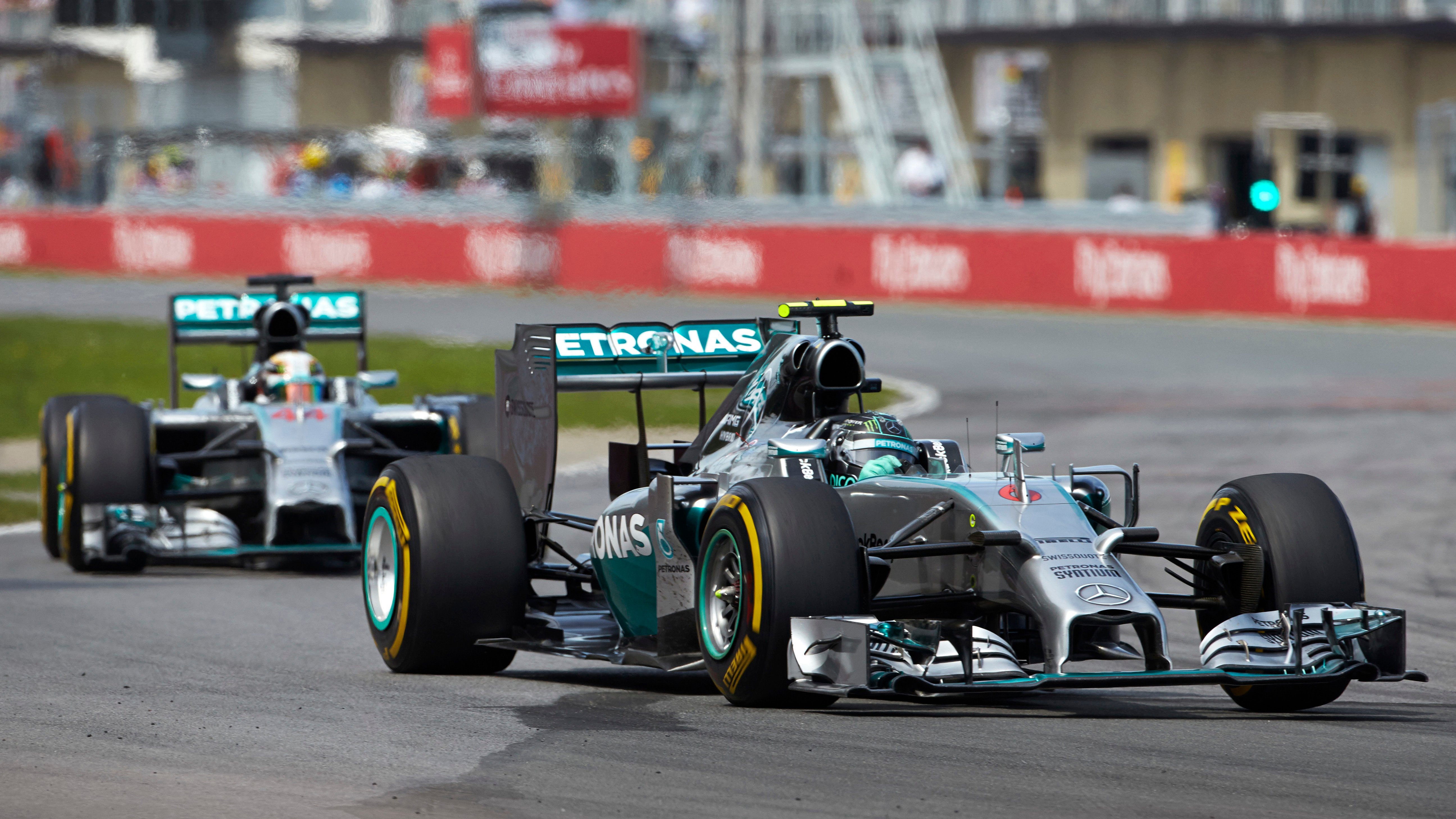
In the exhilarating world of Formula 1, rivalries and mentorships shape the legends we celebrate today. Two of the most captivating narratives involve the fierce competition between Lewis Hamilton and Nico Rosberg, and the inspiring mentorship bond between Michael Schumacher and Sebastian Vettel. But which of these dynamics truly defined an era of racing brilliance? As you dive into the contrasting worlds of rivalry and guidance, consider this: Is it the relentless war between competitors or the nurturing mentorship that elevates champions to their highest form? Let s explore the depths of these iconic relationships.
The schumacher-Vettel Mentorship: Passing the Torch
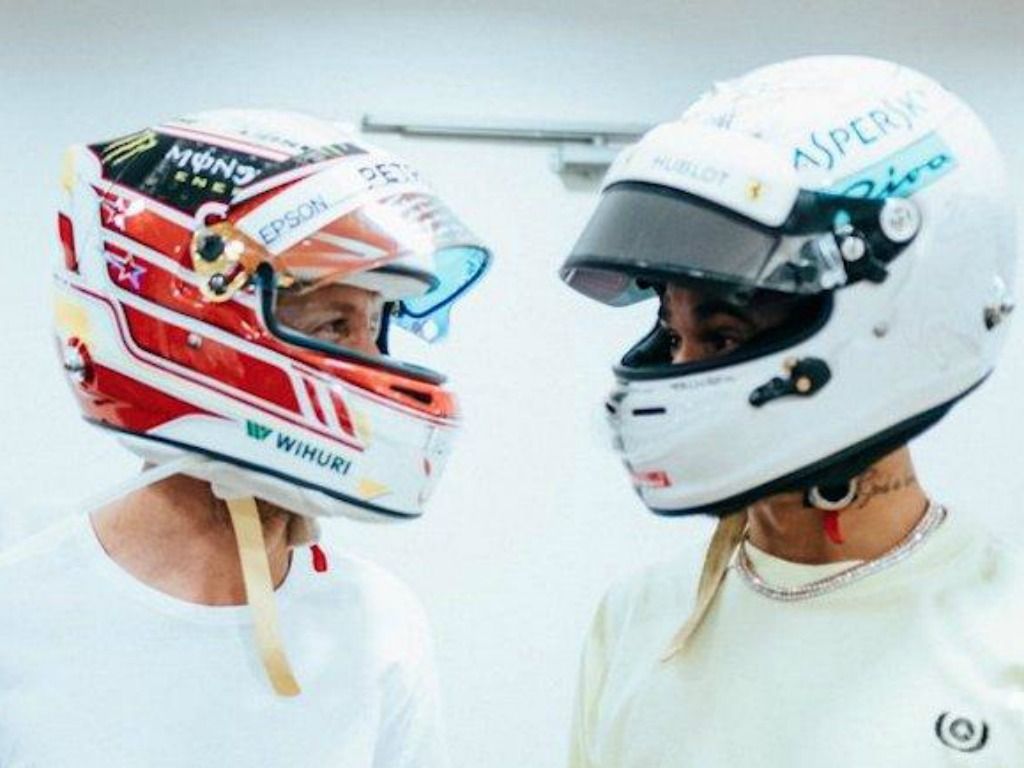
Michael Schumacher, a seven-time Formula 1 World Champion, not only dominated the sport with unprecedented skill but also played a pivotal role in shaping the career of Sebastian Vettel, one of the sport s most talented drivers of the new generation. This mentor-mentee relationship demonstrated the power of experience, guidance, and encouragement in the highly competitive environment of F1.
Schumacher s influence on Vettel was multifaceted. From providing technical insights to nurturing Vettel’s racing mindset, Schumacher helped mold his prot g into a four-time World Champion. Unlike many rivalries driven by tension and rivalry, their relationship was marked by mutual respect and a shared passion for excellence.
 One of the memorable moments highlighting their unique bond occurred during press events, where their playful exchanges often entertained reporters and fans alike. This camaraderie showed that beneath the high-stakes competition, genuine human connection can flourish and inspire.
Moreover, Schumacher s mentorship extended beyond technical advice. It instilled in Vettel a professional approach to the challenges of the sport, including mental resilience, adaptability, and the importance of tactical thinking on and off the track. In doing so, Schumacher s influence contributed not just to victories, but to Vettel’s evolution as a complete driver and sportsman.
The Hamilton-Rosberg War: A Rivalry for the Ages
On the opposite end of the spectrum lies the intense and often combustible rivalry between Lewis Hamilton and Nico Rosberg. Both teammates at Mercedes, their competition during the mid-2010s remains one of the fiercest intra-team battles in Formula 1 history.
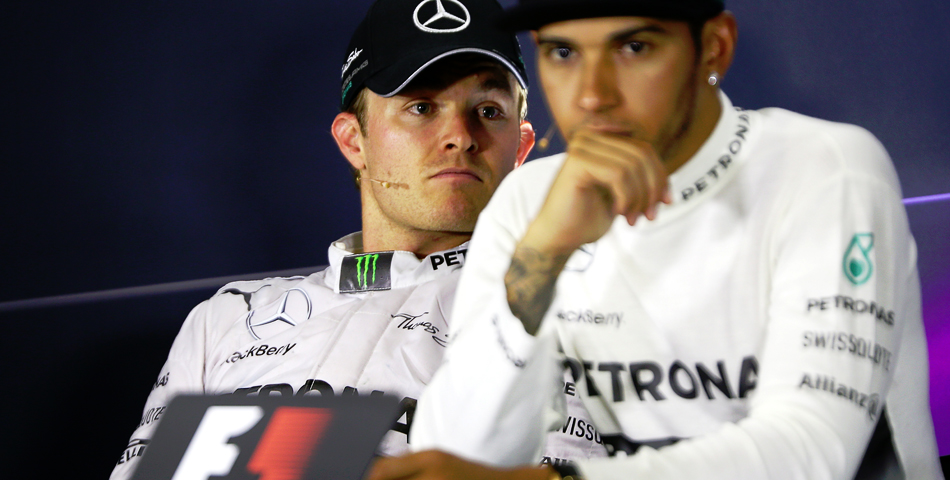 Their rivalry was characterized by contrasting personalities and relentless pursuit of dominance. While Hamilton exuded charisma and an aggressive racing style, Rosberg was meticulous and dogged in his quest for victory. This created a unique tension within the Mercedes team as both drivers pushed the limits, occasionally crossing the fine line between competition and conflict.
From on-track clashes to psychological warfare off the circuit, the Hamilton-Rosberg battle was more than just a contest for points; it was a war of wills. Their struggle culminated in dramatic moments such as collisions in 2016 and nail-biting qualifying sessions, captivating fans worldwide.
What made their rivalry particularly compelling was the high stakes involved both drivers were championship contenders with everything to prove. The pressure not only tested their driving skills but also their composure, revealing the raw human emotions beneath the helmet. This rivalry raised questions about loyalty, sportsmanship, and the price of ambition in a sport where milliseconds matter.
Contrasting Dynamics: Mentorship vs. Rivalry
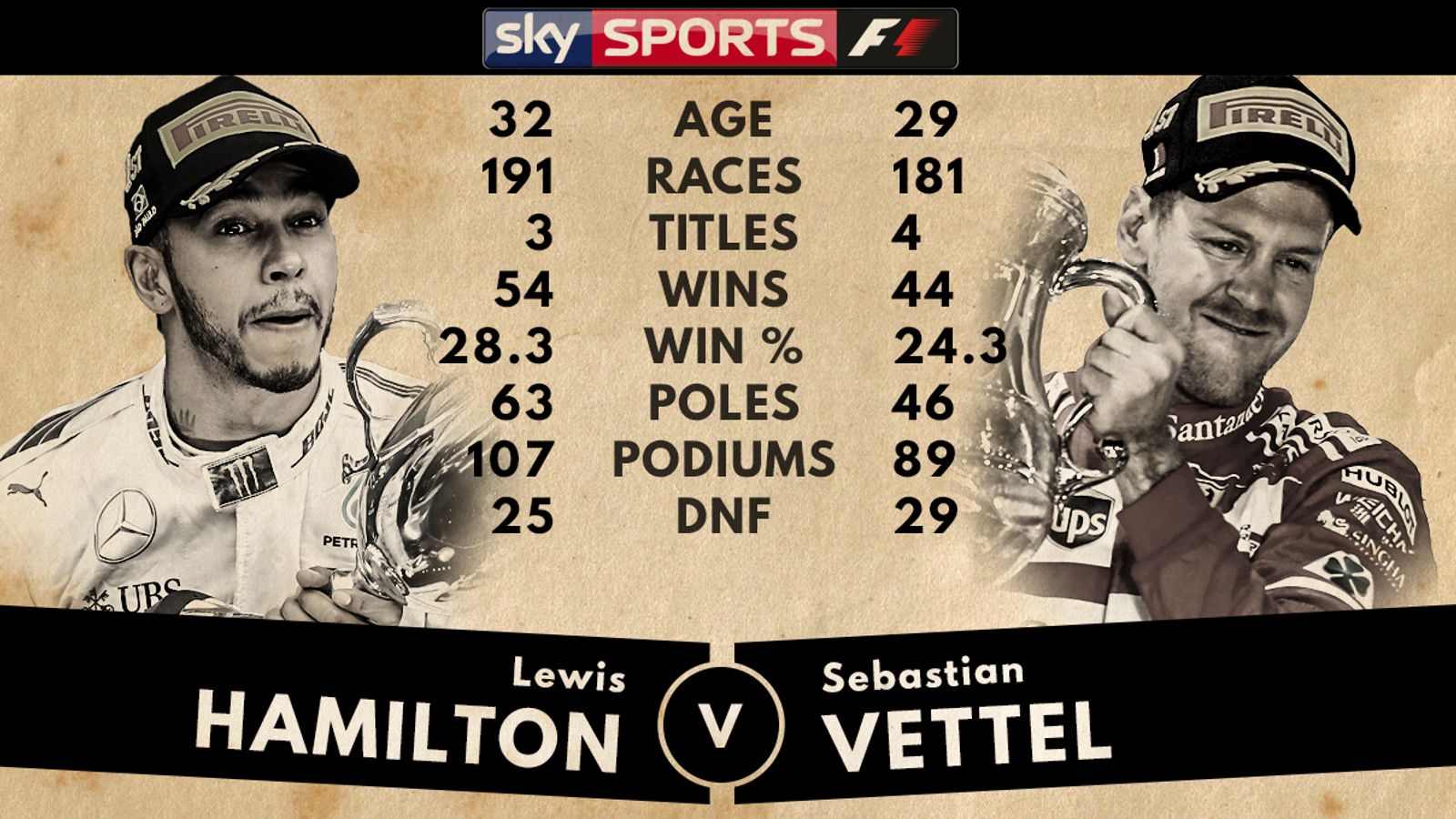
At face value, the schumacher-Vettel mentorship and the Hamilton-Rosberg rivalry represent two very different forces. One is rooted in collaboration, patience, and shared growth; the other is fueled by competition, tension, and the hunger to outdo one another.
Mentorship in an elite sport like Formula 1 offers profound benefits. It provides a stable foundation for young talent to flourish under the guidance of seasoned veterans. Vettel’s career progression under Schumacher s watch is a testament to how knowledge transfer and emotional support can result in sustained success.
Conversely, rivalries such as Hamilton vs. Rosberg highlight the raw, competitive nature that drives athletes to push boundaries. Rivalries elevate performance but can also lead to stress, fractured relationships, and high-stakes conflicts. Yet, it is often these battles that produce some of the most thrilling moments in sports history.
These dynamics pose an intriguing challenge: how do drivers manage the delicate balance between camaraderie and competition? Is it better to grow under the protective wing of a mentor, or to thrive amid conflict that sharpens skill and resolve? Each path offers unique lessons and outcomes, shaping the legends of Formula 1 in fundamentally different ways.
Conclusion: Which Drives Greatness?
Whether it is the nurturing mentorship that polished Sebastian Vettel under Schumacher s guidance, or the fiery rivalry that defined the Hamilton-Rosberg era, both narratives underscore different facets of what it takes to excel in Formula 1. The mentorship model highlights growth, respect, and the passing of wisdom, creating champions with a legacy beyond mere statistics. The rivalry model embodies intense competition, emotional resilience, and moments of high drama that capture global imagination.
Ultimately, the answer may lie somewhere in the middle. Greatness in Formula 1 is rarely a product of a single path. It often emerges from a complex interplay of guidance and competition, camaraderie and conflict. So perhaps the real question for fans and drivers alike is not which is better? but how can’these forces be harnessed to drive the sport forward? In the heat of the race or the quiet moments of mentorship, Formula 1 continues to evolve shaped by legends, rivalries, and bonds that inspire. As the checkered flag waves on these stories, one thing remains certain: the thrill of how greatness is born, shaped, and contested will keep us on the edge of our seats for generations to come.

// Discussion