Imagine a world where one of Formula 1 s greatest legends steps off the track and into the role of managing one of today’s most promising drivers. What if Michael Schumacher, a man synonymous with racing excellence, became Sebastian Vettel’s manager? Could this partnership redefine Vettel’s career, or would the intense spotlight and fierce expectations create an unmanageable challenge? This article delves into this playful yet thought-provoking “what if,” exploring the possibilities, potential hurdles, and the intriguing dynamics of such an alliance.
The Iconic Duo: Schumacher and Vettel
Michael Schumacher, a seven-time world champion, remains a towering figure in Formula 1 history. His aggressive yet calculated approach to racing set new standards for success on and off the track. Sebastian Vettel, a four-time world champion himself, emerged as a dominant force in the next generation of drivers, sharing Schumacher’s remarkable blend of speed, consistency, and strategic thinking.
Both racers have an enduring legacy, and the thought of Schumacher stepping into management to guide Vettel invokes images of a “super team” with racing intelligence beyond the norm. This dynamic duo has already shared memorable moments and mutual respect, suggesting potential chemistry in a mentor-manager relationship.
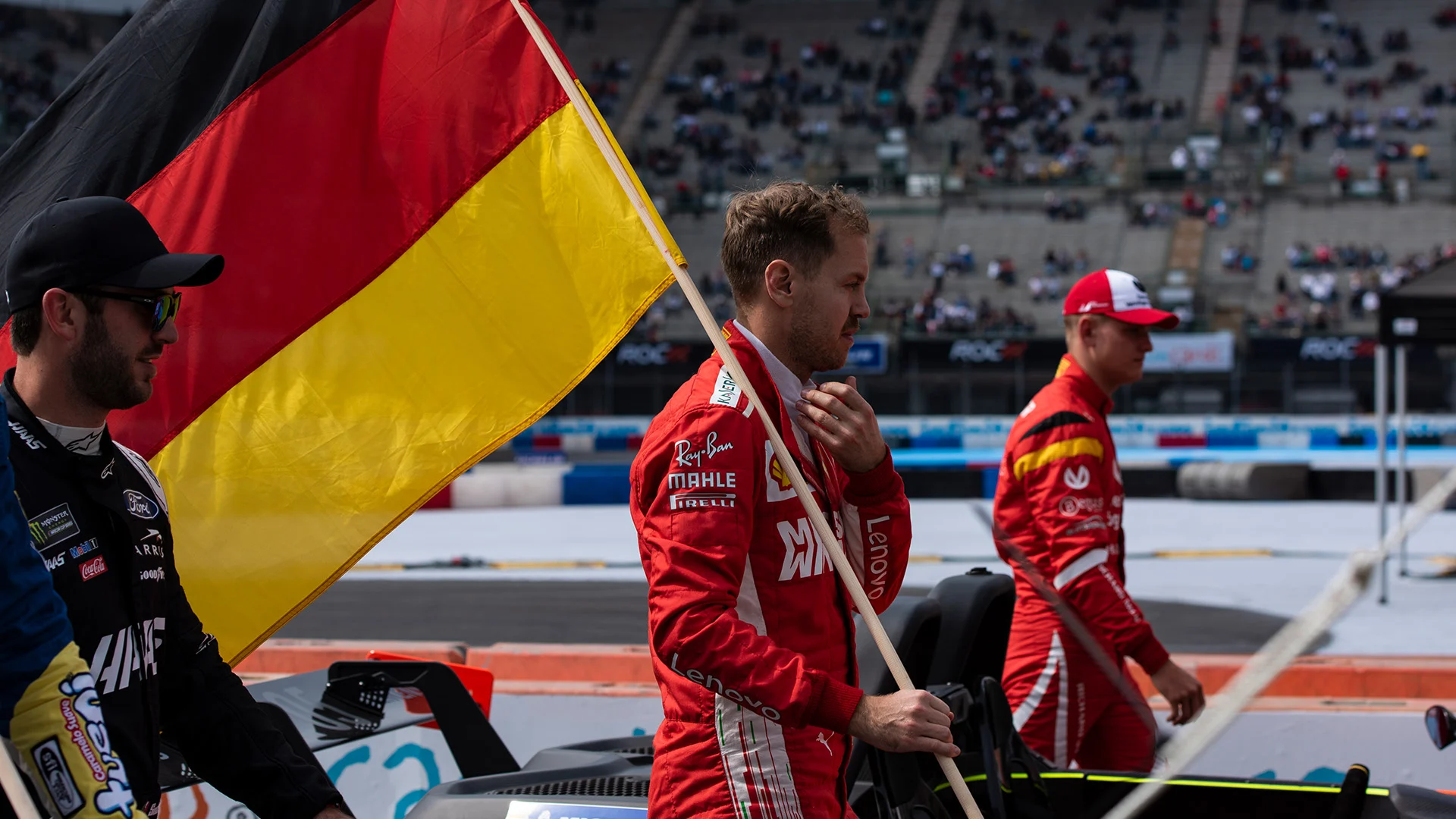 What Would Schumacher Bring to the Table as a Manager?
Michael Schumacher s deep understanding of F1 s intricacies could be invaluable for Vettel. As a manager, Schumacher would offer a strategic mindset honed by decades of racing and team collaborations. His firsthand knowledge of handling pressure, team politics, and the evolving technical landscape would fuel informed decisions on Vettel’s career trajectory.
Beyond race strategy, Schumacher s reputation and network within the sport could open doors for Vettel whether in negotiations, brand partnerships, or team placements. Schumacher s presence might boost Vettel’s marketability, giving sponsors and teams additional confidence in Vettel’s potential and future.
Yet, this arrangement is not without its challenges. Schumacher s intense personality and relentless pursuit of perfection could collide with Vettel’s own approach, possibly generating tension within the management team. Balancing the drive for excellence with the nurturing support a manager must provide could be a delicate act.
The Challenge of Haas: A Real-World Example of Complex Dynamics
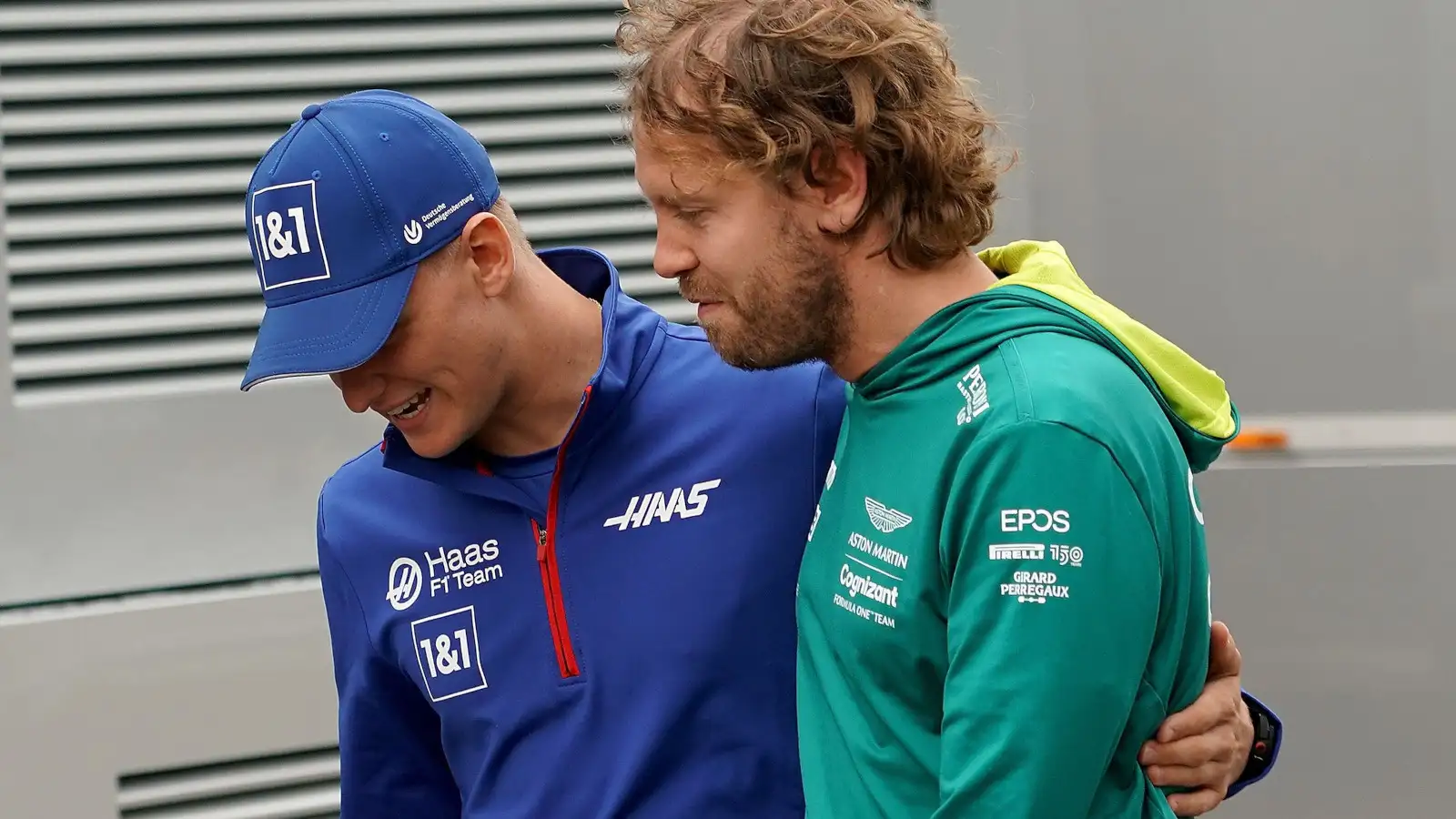
Managing a Formula 1 driver isn’t just about on-track success off-track complexities abound. A recent example that illustrates this is the situation with Mick Schumacher and Haas. Sebastian Vettel has openly commented on the unexpected and “difficult to understand” decision by Haas to part ways with Mick Schumacher, showing how unpredictable and challenging team dynamics can be.
As Vettel’s potential manager, Michael Schumacher might face similar surprises that test loyalty, strategy, and the ability to navigate the often tumultuous F1 environment. The experience with Mick at Haas is a reminder that even the best plans can be disrupted by external decisions, and managing a driver’s career requires resilience and adaptability.
 Could This Partnership Shape a New Era in F1 Management?
The mingling of legendary racing prowess with sharp management skills could pioneer a new model in how Formula 1 careers are nurtured. The partnership between Schumacher and Vettel as manager and driver would likely focus on leveraging data analytics, psychological preparation, and extensive racecraft strategies to give Vettel an edge.
This dynamic might extend beyond individual success, impacting the wider motorsport ecosystem through mentorship and leadership. Schumacher’s involvement could encourage more former champions to take on mentorship or managerial roles, enriching the sport with cumulative wisdom.
Yet success depends on more than just experience it requires chemistry, mutual respect, and aligned visions for the future. If Schumacher and Vettel can navigate these waters, they might set a precedent for future collaborations between F1 greats and current stars, blending legacy with innovation.
Conclusion
The ultimate what if Michael Schumacher as Sebastian Vettel’s manager presents an intriguing blend of potential and challenge. This hypothetical scenario shines a light on the many facets of Formula 1 beyond the racetrack: strategy, relationships, unpredictability, and the ever-present pressure to win.
While the idea of such a powerful collaboration paints an exciting picture of renewed success and legendary teamwork, it also underscores the complexity of managing a top-tier F1 career. From the echoes of Schumacher s intense competitiveness to the real-world hurdles like those witnessed at Haas, this managerial partnership is as demanding as it is fascinating.
Whether the F1 world will ever see legend and champion unite in this capacity remains to be seen. But for fans and experts alike, pondering this fusion of firepower offers a thrilling glimpse into the endless possibilities that shape the future of Formula 1.




// Discussion