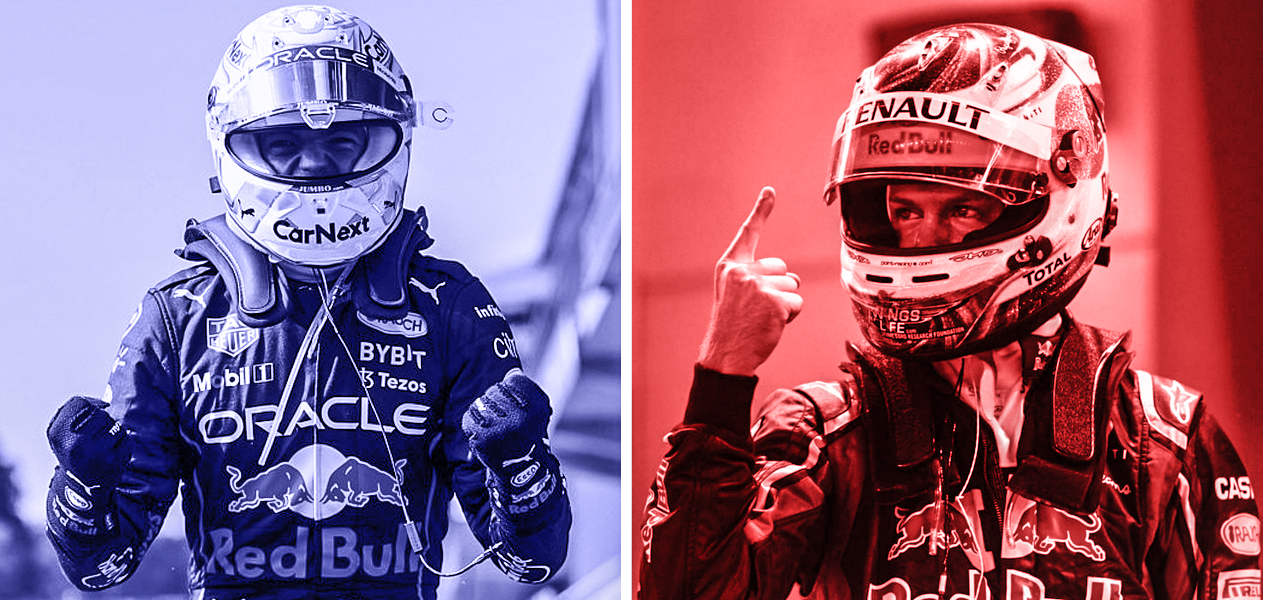
When it comes to the world of Formula 1, two names have ignited passionate debates among fans and experts alike: Sebastian Vettel and Max Verstappen. Both drivers have showcased exceptional talent, blistering pace, and unwavering determination on the track. But how do their driving styles truly compare? Could Verstappen s aggressive flair outshine Vettel’s calculated precision, or is there more beneath the surface? Join us as we dive deep into the nuances of their driving techniques and see who holds the edge in this thrilling motorsport rivalry.
The Aggressive Versus Calculated Approach
At first glance, Max Verstappen s driving style is often described as bold, aggressive, and uncompromising. His willingness to take risks, carve through tight spaces, and push his car to the limits has earned him a reputation as one of the most fearless drivers on the grid. Verstappen s style demands a level of confidence and precision that s easy to admire but difficult to master.
On the other hand, Sebastian Vettel’s approach can be characterized as methodical and calculated. Throughout his career, Vettel has demonstrated an exceptional ability to manage his tires, assess race conditions strategically, and execute overtakes with thoughtful precision. His smooth and clean driving often results in consistent lap times and longevity during a race qualities that have contributed immensely to his multiple World Championships.
But does that mean one style is superior to the other? Or could there be specific race conditions where one approach bests the other? The answer lies in a detailed look at how each driver handles critical aspects like braking, cornering, and tire management.
Braking Techniques: Nimble Feet or Rock Solid Control?
Max Verstappen is known for his late and hard braking, a signature move that intimidates competitors and gains crucial milliseconds. His bold braking style enables him to dive into corners with razor-sharp precision, often out-braking opponents in wheel-to-wheel battles. This style, while exciting, can sometimes risk overloading the tires or locking up the wheels if not perfectly controlled.
Conversely, Vettel’s braking technique leans heavily on consistency. He typically brakes early and smoothly, prioritizing car stability and tire preservation. This approach allows him to maintain composure under pressure and execute corners with steady speed. Vettel’s ability to anticipate race developments enables him to brake in a way that balances aggression with safety, ensuring his tires are kept in prime condition for longer stints.
 Cornering Styles: The Dance of Speed and Precision
Cornering is where the true art of driving unfolds, and both Vettel and Verstappen excel in different ways. Verstappen s cornering is characterized by an aggressive throttle application and sharp steering inputs, enabling him to carry remarkable speed through bends. This style, while exciting, often demands an intimate understanding of the car’s grip limits and creates spectacular moments as he pushes the boundaries.
Vettel’s cornering style is smoother and more fluid, focusing on balance and car control. His ability to find the perfect racing line with minimal corrections helps maximize tire lifespan and maintain consistent pace. This elegant method allows him to exploit the car s aerodynamic grip and mechanical setup to maintain stability throughout corners, often resulting in superior tire management during longer runs.
Tire Management and Race Strategy Mastery
Endurance is a crucial component in Formula 1 racing, and tire management plays a pivotal role in race outcomes. Verstappen s aggressive approach can sometimes lead to higher tire wear but is often balanced by his remarkable ability to extract performance out of worn tires, giving him strategic flexibility during a race. His stamina in fighting through tough conditions has become a hallmark of his recent performances.
Vettel, known for his strategic foresight, frequently opts for conservative tire management. This approach often results in longer stints without significant drop-offs in performance, allowing his teams to execute flexible pit-stop strategies. Vettel’s knack for preserving tire life can be the deciding factor in races where tire degradation is critical, illustrating his cerebral approach behind the wheel.
 Adaptability: Thriving Under Pressure and Different Conditions
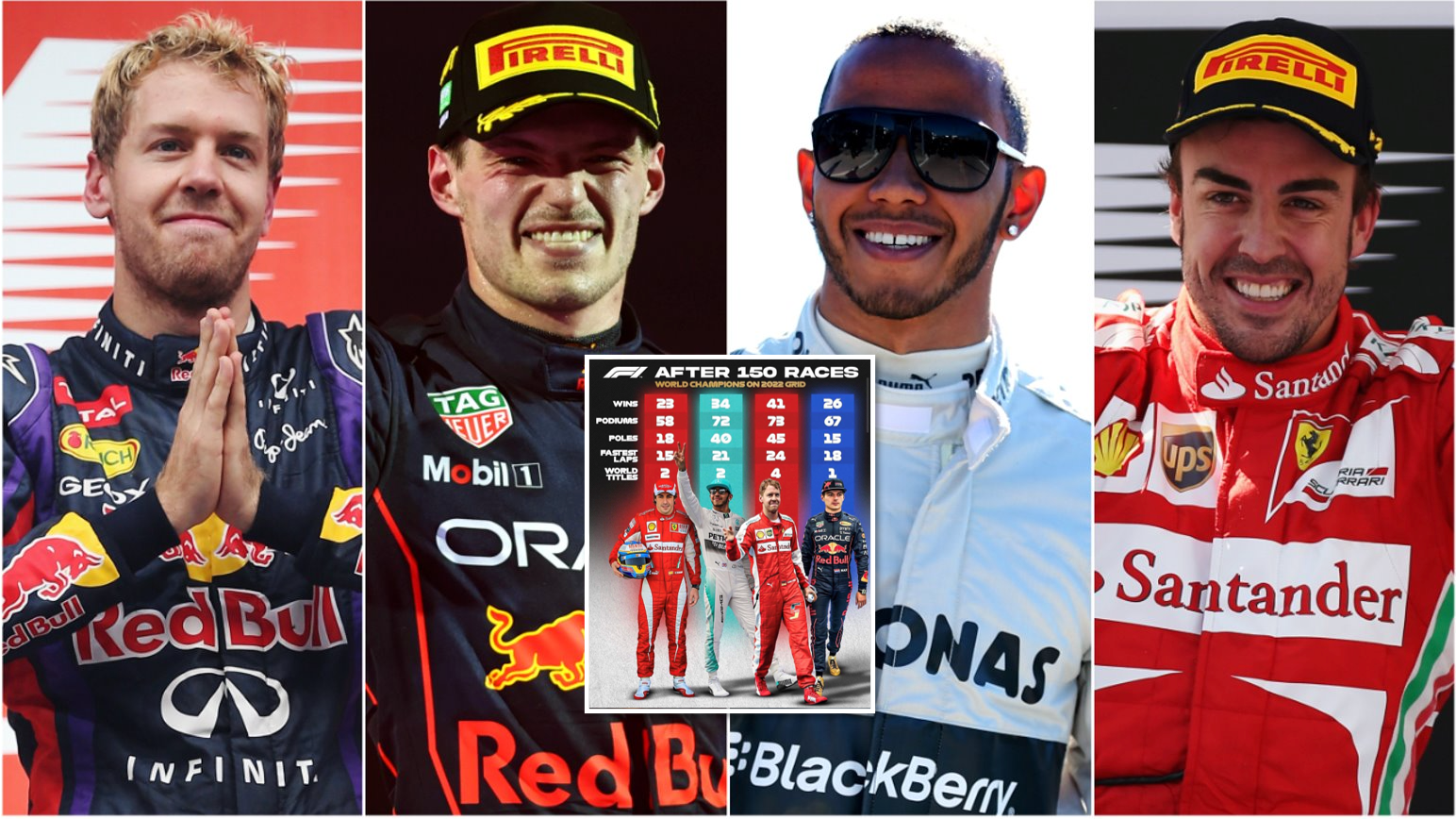
Both drivers have showcased their ability to adapt to changing conditions on the track be it variable weather, different circuits, or mid-race developments. Verstappen s quick reflexes and decisive maneuvers enable him to seize opportunities in dynamic conditions. His aggressiveness, paired with flexibility, often makes him a formidable adversary during chaotic races.
Meanwhile, Vettel’s deep understanding of race dynamics allows him to remain steady and composed under pressure. His adaptability shines in managing unexpected challenges, such as safety cars or fluctuating grip levels. His strategic mindset alongside his driving finesse often emerges as a decisive factor in high-stakes situations.
 Conclusion: Who Really Holds the Edge?
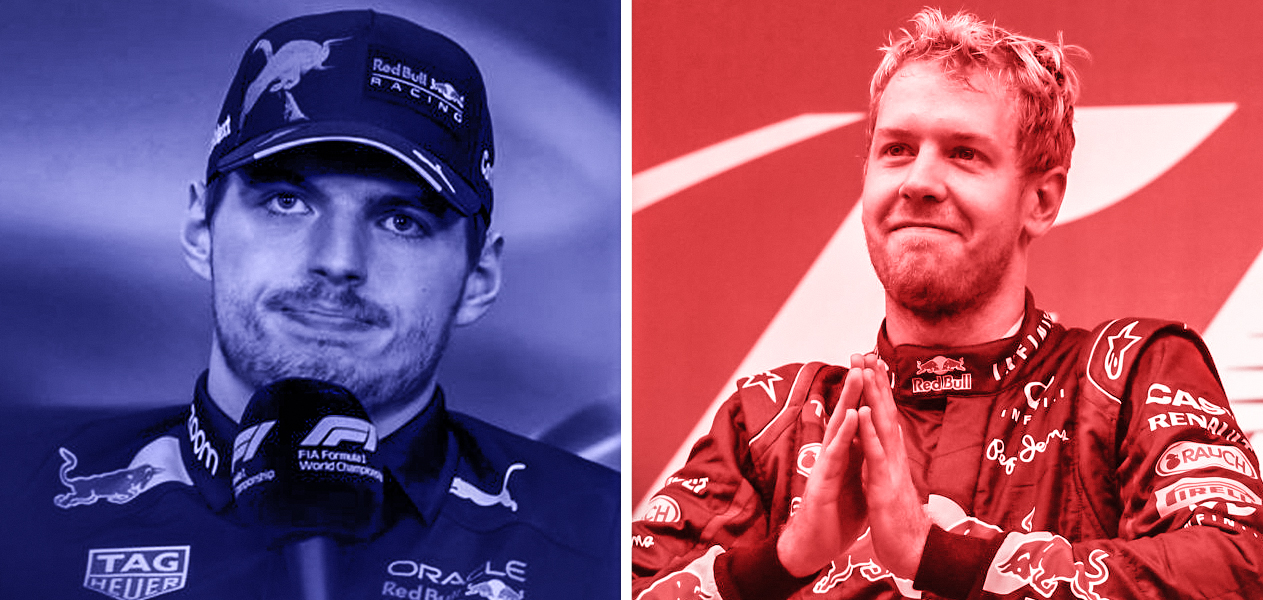
The Vettel versus Verstappen driving style comparison highlights the beauty of contrasting techniques applied at the highest level of motorsport. Verstappen s fearless aggression and raw speed make for spectacular racing and daring overtakes, while Vettel’s calculated precision and tire-saving expertise provide consistency and resilience.
Ultimately, the better style depends on context: track conditions, car performance, and race strategies all influence which approach triumphs on any given day. Could Verstappen s risk-taking be the challenge Vettel’struggles to overcome, or does Vettel’s steady masterclass leave Verstappen chasing perfection? Maybe the most exciting answer lies in watching these two legends push each other to new heights, racing side-by-side in a thrilling duel for supremacy.
So, what s your take? Is it the bold flash of Verstappen or the refined craft of Vettel that wins the race in your eyes?

// Discussion