In the high-octane world of Formula 1, the rivalry between Sebastian Vettel and Lewis Hamilton stands as a defining duel of the modern era. Fans and analysts alike often debate who holds the edge: Is it Hamilton s unparalleled adaptability to changing race conditions, or Vettel’s razor-sharp reflexes and instinctive racecraft? This article delves deep into “The Tale of the Tape” for these two champions, exploring the traits that distinguish each driver and uncovering why their rivalry continues to captivate the motorsport world.
Reflexes: Vettel’s Natural Reaction Speed
One of the most cited aspects of Sebastian Vettel’s driving is his lightning-fast reflexes. His ability to respond instantly to dynamic track situations has powered many of his race victories and close calls. Vettel’s reflexes are especially evident during wheel-to-wheel battles, where split-second decisions can mean the difference between maintaining position or crashing out.
His early career, marked by a meteoric rise with Red Bull Racing, was punctuated by moments where quick reactions allowed him to fend off aggressive overtakes or capitalize on competitors mistakes. An iconic example is the dramatic clash at the Azerbaijan Grand Prix in 2017, where Vettel and Hamilton collided in a high-stakes moment of aggressive driving and sharp reflexive decisions.
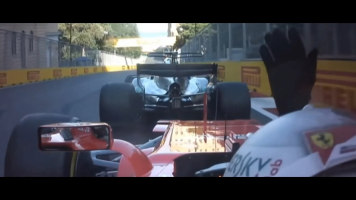 In that incident, while the crash was unfortunate, it highlighted both drivers spatial awareness and reaction times under extreme pressure. Vettel’s reflexes often give him a razor’s edge during such chaotic race scenarios, allowing him to thread the needle through gaps others might hesitate to exploit.
Adaptability: Hamilton s Mastery in Changing Conditions
Lewis Hamilton, on the other hand, is often hailed for his adaptability a trait that enables him to thrive amid fluctuating track and weather conditions, as well as evolving car performance. Where reflexes are about the instant response, adaptability is a broader, strategic flexibility that includes tire management, adjusting driving styles mid-race, and leveraging team strategies effectively.
Hamilton has repeatedly demonstrated an uncanny ability to extract maximum performance from his car regardless of circuit or circumstance. His championship-winning runs with Mercedes have been hallmarked by blistering pace in wet conditions, perfectly timed pit stops, and tactical race management.
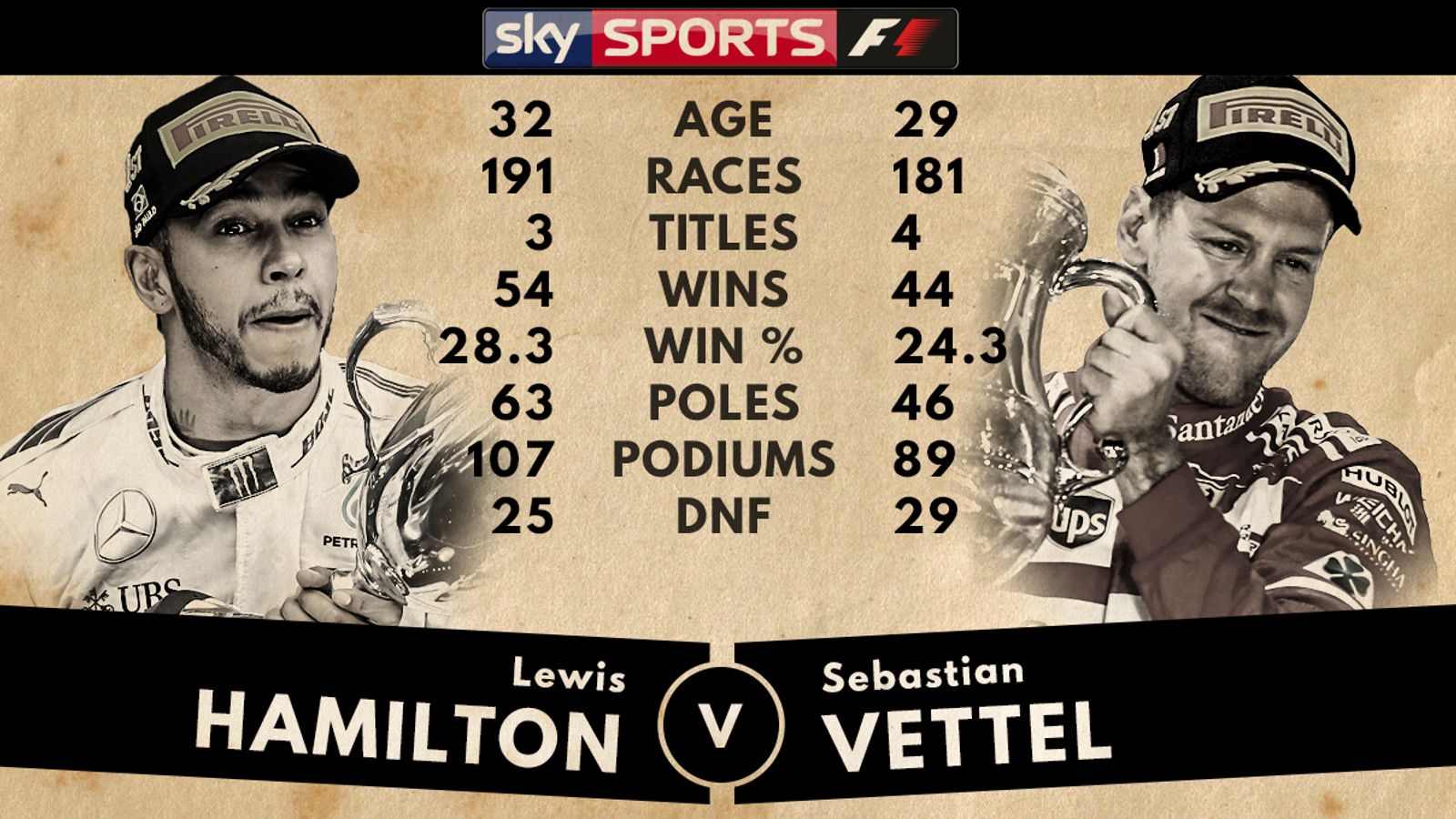 The “tale of the tape” between these two often boils down to this contrast: Vettel’strikes with the immediacy and precision of reflex-driven racing, while Hamilton s calm adaptability frequently allows him to outlast and outthink opponents. This quality has translated into sustained success over multiple seasons and a whopping number of race wins and pole positions.
Championship Battles: Where Reflexes and Adaptability Collide
The intrigue in the Vettel-Hamilton rivalry truly peaks when reflexes and adaptability collide on the biggest stages the battle for the World Championship itself. The 2010 to 2013 seasons epitomize this intense contest, where Vettel clinched four consecutive titles primarily behind the dominant Red Bull RB series, leveraging his raw pace and reflex-driven aggression.
But it was Hamilton s resurgence with Mercedes in the mid-2010s that posed a new challenge. His adaptability to new technical regulations, hybrid power units, and tire management dynamics has made him an elite competitor capable of neutralizing Vettel’s natural driving prowess.
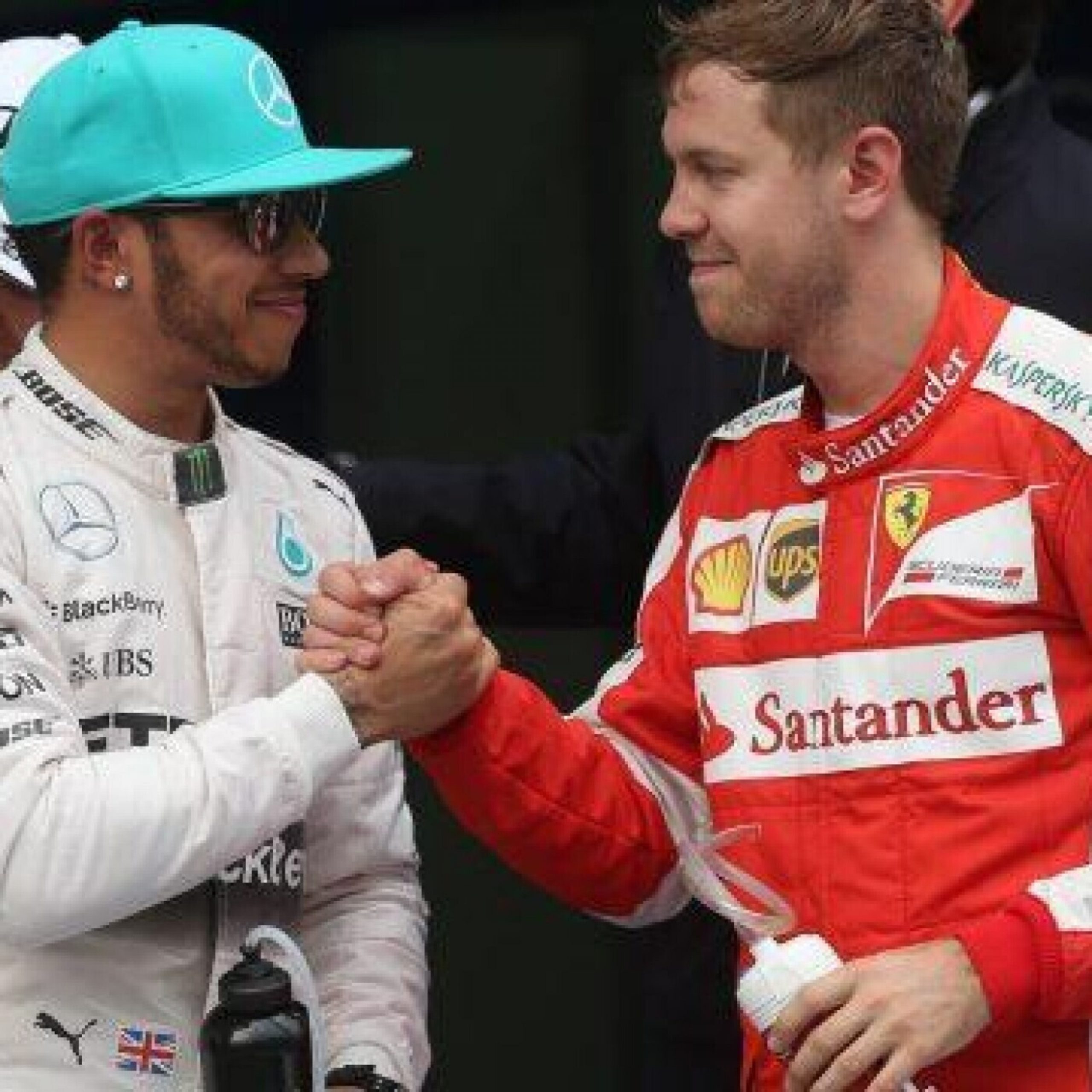 In rare moments where their championship bids overlapped closely, such as the tightly contested 2017 season, the narrative was more than just about finishing first. It was about the clash of styles: Vettel’s acute on-the-limit reflexes versus Hamilton s strategic, adaptable race craft. These moments cemented their rivalry as not just a battle of speed but a duel of contrasting mental and physical racing approaches.
Why the Fascination?
What makes the Vettel-Hamilton saga endlessly fascinating extends beyond statistics and race results. It taps into a broader human intrigue: the way different talents and mindsets confront high pressure. In sports, reflexes are often seen as raw, instinctual gifts traits you either have or you don’t. Adaptability, conversely, implies an ability to learn, evolve, and overcome through mental resilience and a deep understanding of the sport.
This duality resonates deeply with fans. It mirrors the classic archetype of instinct versus intellect, impulse versus calculation. Spectators watch not only to see who crosses the finish line first, but who wins the psychological and tactical battles that define true greatness. The very nature of F1, a sport where milliseconds shape legacies, amplifies this fascination.
Conclusion
The tale of the tape between Sebastian Vettel and Lewis Hamilton is not just about lap times and championship trophies. It is a compelling narrative about two different but equally effective approaches to racing excellence. Vettel’s reflexes grant him the ability to capitalize on fleeting opportunities in the heat of the moment, while Hamilton s adaptability allows him to master evolving conditions with strategic precision.
This rivalry exemplifies the layered complexity of Formula 1 a sport where physical skill, mental agility, and tactical acumen blend to produce exceptional competition. Whether one favors Vettel’s lightning reactions or Hamilton s chameleon-like versatility, the ongoing fascination with their rivalry lies in the balance of these traits and the electric suspense each race delivers.

// Discussion