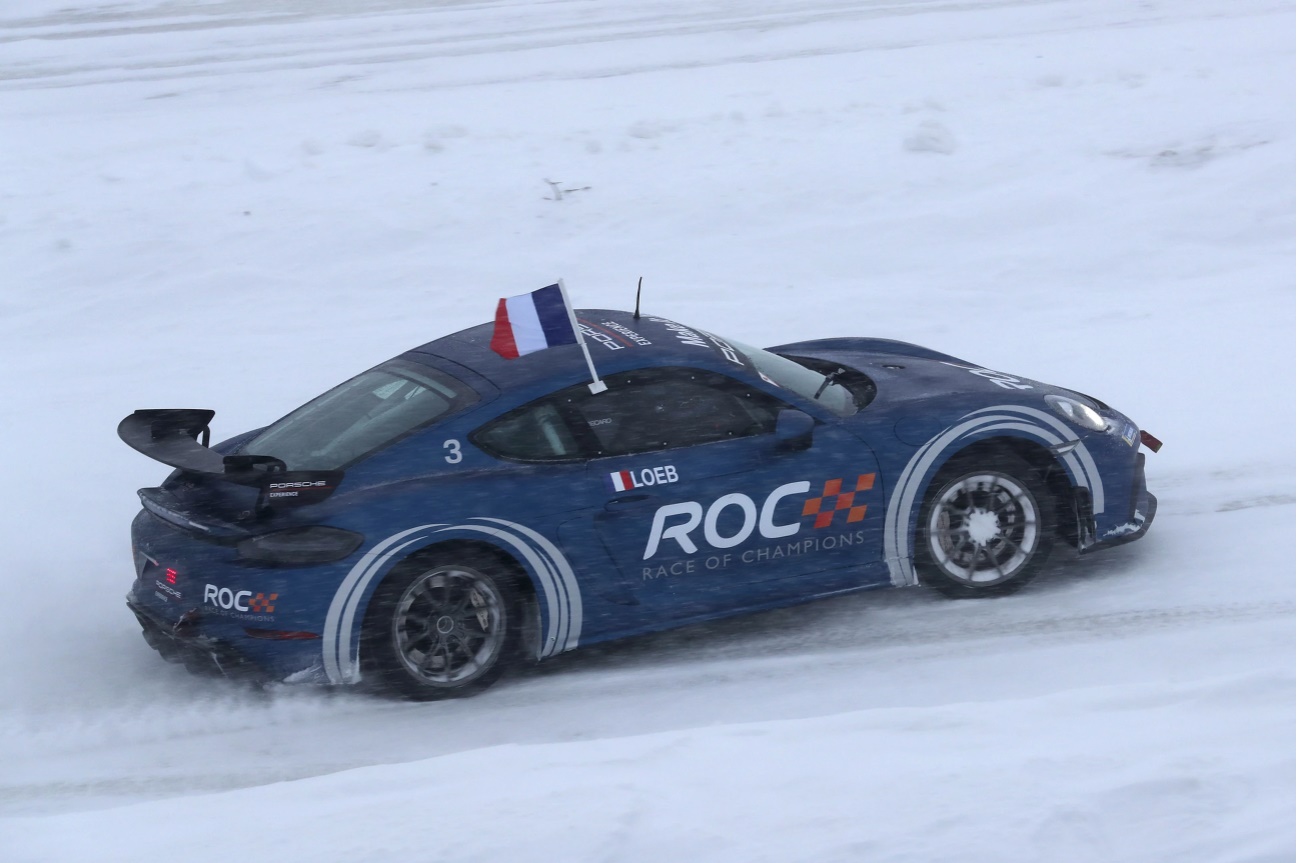
What happens when two champions from vastly different motorsport disciplines face off on the same track? The Race of Champions (ROC) final recently delivered a thrilling showdown that pitted Sebastian Vettel, an esteemed Formula 1 driver, against S bastien Loeb, the legendary World Rally Champion. This battle wasn t just a contest of speed it was a fascinating clash of style, skill, and adaptability, pitting the precision of F1 racing against the rugged versatility of WRC. Let s dive into the highlights of this unique event and explore what made this face-off such an intriguing spectacle for motorsport fans around the world.
The Race of Champions: A Unique Motorsport Showdown
The Race of Champions is an annual event designed to test the abilities of the world s best drivers across various forms of motorsport. Unlike traditional races focusing on a single discipline, ROC provides a level playing field by putting drivers behind the wheels of identical cars in head-to-head battles. The event’s essence challenges drivers to adapt quickly, showcasing their raw talent and car control capabilities.
In this setting, the match-up between Sebastian Vettel and S bastien Loeb became an instant highlight. Vettel, renowned for his razor-sharp precision on high-speed circuits, and Loeb, a maestro of off-road terrains and unpredictable surfaces, brought their distinctive strengths to the same asphalt stage. Who, then, would emerge as the ultimate driver when Formula 1 s finesse met World Rally Championship s resilience?
Vettel vs. Loeb: The Final Battle
The final duel in the Race of Champions pitted Vettel against Loeb in a dramatic clash of titans. The contest was as much psychological as it was physical, forcing each driver to push beyond their comfort zone. Vettel, accustomed to the engineered perfection of F1 cars and flawless tarmac, needed to channel his unparalleled precision and split-second decision-making to counter Loeb s adaptability and instinctive car control developed from treacherous rally stages.
Loeb, on the other hand, demonstrated his ability to read the terrain and adjust swiftly to conditions skills that have earned him nine consecutive World Rally Championship titles. While his WRC experience emphasized versatility, the ROC demanded consistency and outright pace on a specially designed track which is a hybrid of circuits and rally-style sections. Both champions showed incredible respect but refused to give an inch, creating a nail-biting finale for spectators.
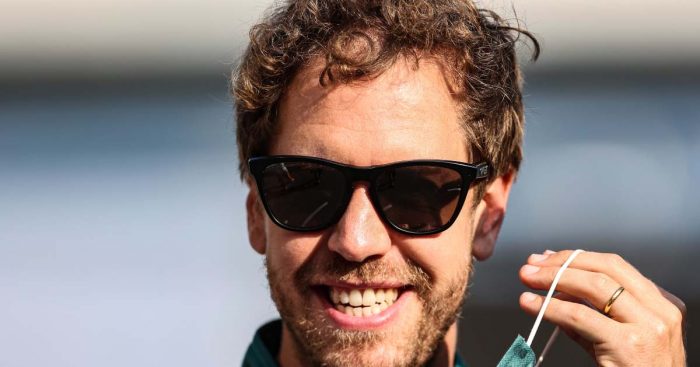 The race s intensity was palpable as Vettel and Loeb exchanged near-perfect lap times. The drivers leveraged their distinctive skill sets: Vettel’s sharp braking and high-speed cornering clashed with Loeb s smooth handling through chicanes and technical sections. The duel posed a playful but serious question can’the finesse of Formula 1 truly outpace the all-terrain mastery of rally legends?
Contrasting Driving Styles in a Head-to-Head
To fully appreciate the ROC final, it is important to analyze the contrasting driving styles that Vettel and Loeb brought to the track. F1 racing hones drivers for absolute precision at extreme speeds, favoring consistency, aerodynamic efficiency, and strategic tire management. Vettel’s approach exemplifies this style: calculated, meticulous, and razor-sharp.
Conversely, rally drivers like Loeb face diverse conditions from gravel and snow to tarmac and mud requiring quick adaptability and aggressive car control techniques. Loeb s knack for handling a machine under unpredictable conditions allows him to maintain speed while constantly reading the environment. The ROC s mixed-surface track challenged each driver s core competencies and forced them to balance raw aggression with control.
 This contrast made the ROC an unusual but thrilling spectacle one where the crowd was invited to cheer not just for the fastest but for the most versatile champion. The race format amplified each skill: Vettel could exploit clear sections to leverage his speed, while Loeb could claw back time through technical segments where his rally expertise shone.
The Challenge and the Legacy of ROC
Beyond the entertainment value, the ROC final between Vettel and Loeb underscores the challenge of comparing different motorsport disciplines directly. It pushes the boundaries of driver adaptability and broadens the notion of what racing excellence truly means. The event isn’t just a simple duel; it’s a celebration of motorsport diversity, highlighting that no single formula can capture all racing prowess.
For Vettel, competing against a rally legend like Loeb offered an opportunity to demonstrate versatility and resilience beyond the F1 bubble. For Loeb, it was a chance to validate rally skills on a stage traditionally dominated by circuit racers. The outcome, while respectful of their rival talents, leaves fans pondering could a full-time rally driver ever make a Formula 1 podium? Could an F1 ace master the unpredictable rally stages?
These questions remain open, but the ROC final certainly fuels the excitement for future cross-discipline contests where the best drivers test the limits of their capabilities.
Conclusion
The Race of Champions final featuring Sebastian Vettel versus S bastien Loeb was a captivating and rare spectacle that blended the worlds of Formula 1 and World Rally Championship. it showcased two motorsport legends putting their individuality and pure driving talent on the line in a friendly but fierce duel. Throughout the face-off, fans witnessed the sharp precision of Vettel collide with the versatile brilliance of Loeb, raising challenging questions about adaptability and skill in the racing world.
Whether you side with the high-speed artistry of Vettel or the rugged mastery of Loeb, the ROC final reminded us all why we love motorsport the celebration of speed, skill, and competition across all terrains and disciplines. As the engines cool and the track empties, one thing is clear: when champions from different worlds meet, the result is pure racing magic that can captivate fans forever.

// Discussion