In this article, we delve into one of Formula 1’s most memorable moments: Sebastian Vettel’s remarkable drive during the 2012 Abu Dhabi Grand Prix. Starting from the pit lane, Vettel’s comeback to the podium captured the imagination of fans worldwide. Beyond the raw facts, we explore why such performances continue to fascinate enthusiasts and epitomize the spirit of racing.
The setting: 2012 Abu Dhabi Grand Prix
The 2012 season was tightly contested, with several drivers vying for supremacy. The Abu Dhabi Grand Prix, held at the Yas Marina Circuit, always provided a dramatic stage for races ending the intense season. The circuit’s unique characteristics - a twilight race transitioning from daylight to night - posed additional challenges for drivers and teams. It was here that Sebastian Vettel orchestrated one of the most unforgettable recoveries in recent F1 history.
Starting From the Pit Lane: A Daunting Challenge
Vettel’s race began under difficult circumstances. Due to an unscheduled drivetrain change, he was relegated to start from the pit lane, a significant disadvantage that can severely limit a driver’s chances of a strong finish. Starting from this position means having to navigate through the entire field, overtaking slower cars, and managing tire degradation without the advantage of clean air.
This starting setback typically dampens ambitions of podium finishes. However, Vettel’s approach was a study in calm, calculated aggression
. The Comeback Drive: Precision, Pace, and Patience
From the moment the lights went out, Vettel’showed resolute focus. His driving during the 2012 Abu Dhabi GP combined blistering pace with strategic brilliance. He meticulously picked off competitors while preserving his tires and ensuring optimal pit stops.
Vettel’s Red Bull car, renowned for its aerodynamic efficiency and speed, played a crucial role. Yet, it was his ability to exploit every opportunity be it a minor mistake by rivals, better tire management, or timing his overtakes that powered his iconic climb through the field.
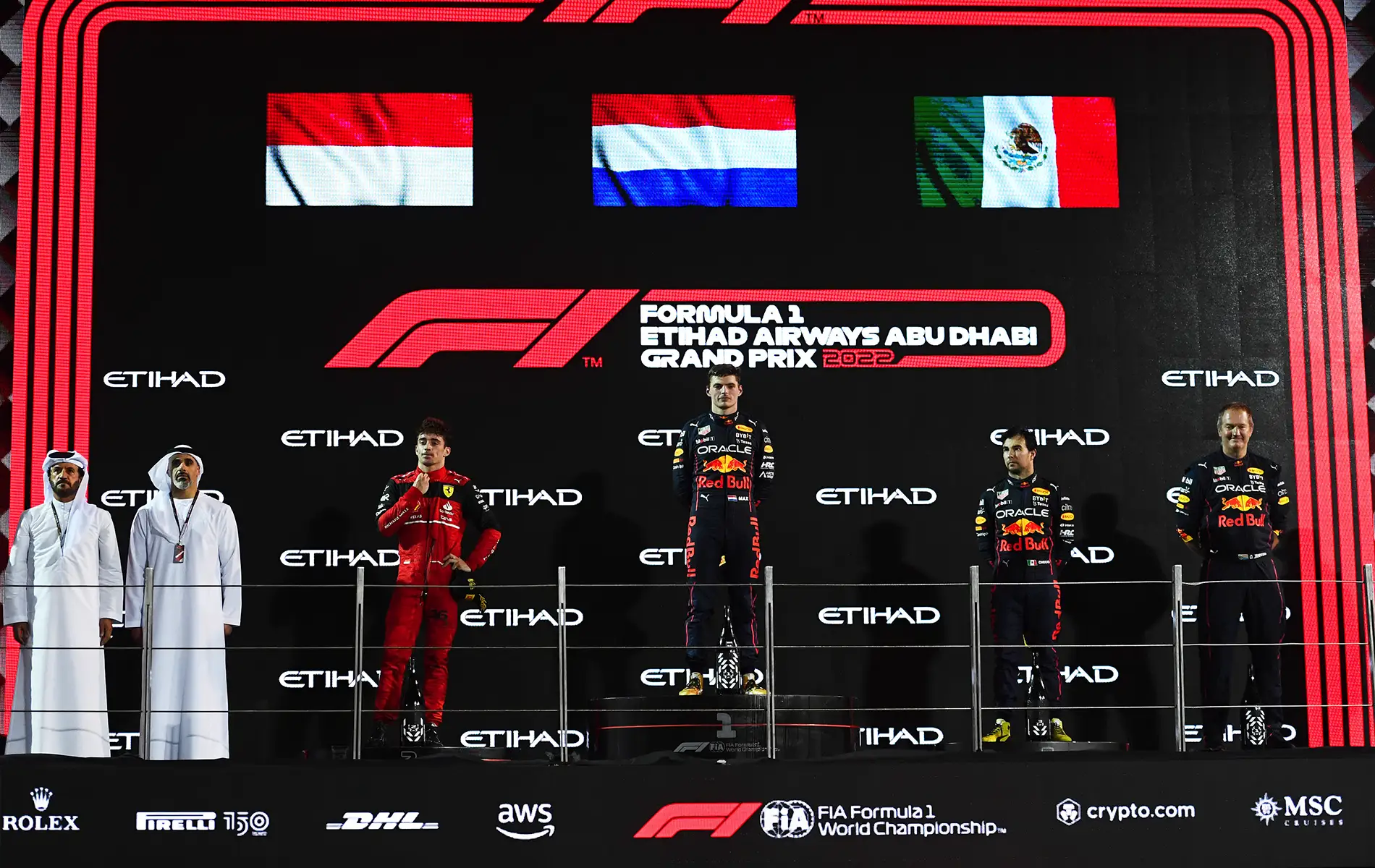 Ultimately, Vettel’s relentless charge culminated in a podium finish, sealing a masterclass in resilience and racing craft.
Addressing a Common Observation: Why Podium Comebacks Captivate Fans
Comeback stories in motorsport resonate on a deep emotional level, unlike dominant performances that sometimes feel routine. When a driver like Vettel’starts from the back or pit lane and races their way to the podium, it evokes elements of drama, unpredictability, and human triumph over adversity. Fans don’t just admire speed they celebrate willpower, adaptability, and resilience.
These narratives tap into the universal appeal of overcoming seemingly insurmountable odds. The thrill of watching a skilled driver navigate a myriad of challenges injects suspense and excitement, making the race unforgettable from start to finish.
Drawing Parallels: Verstappen and Other Noteworthy Podium Comebacks
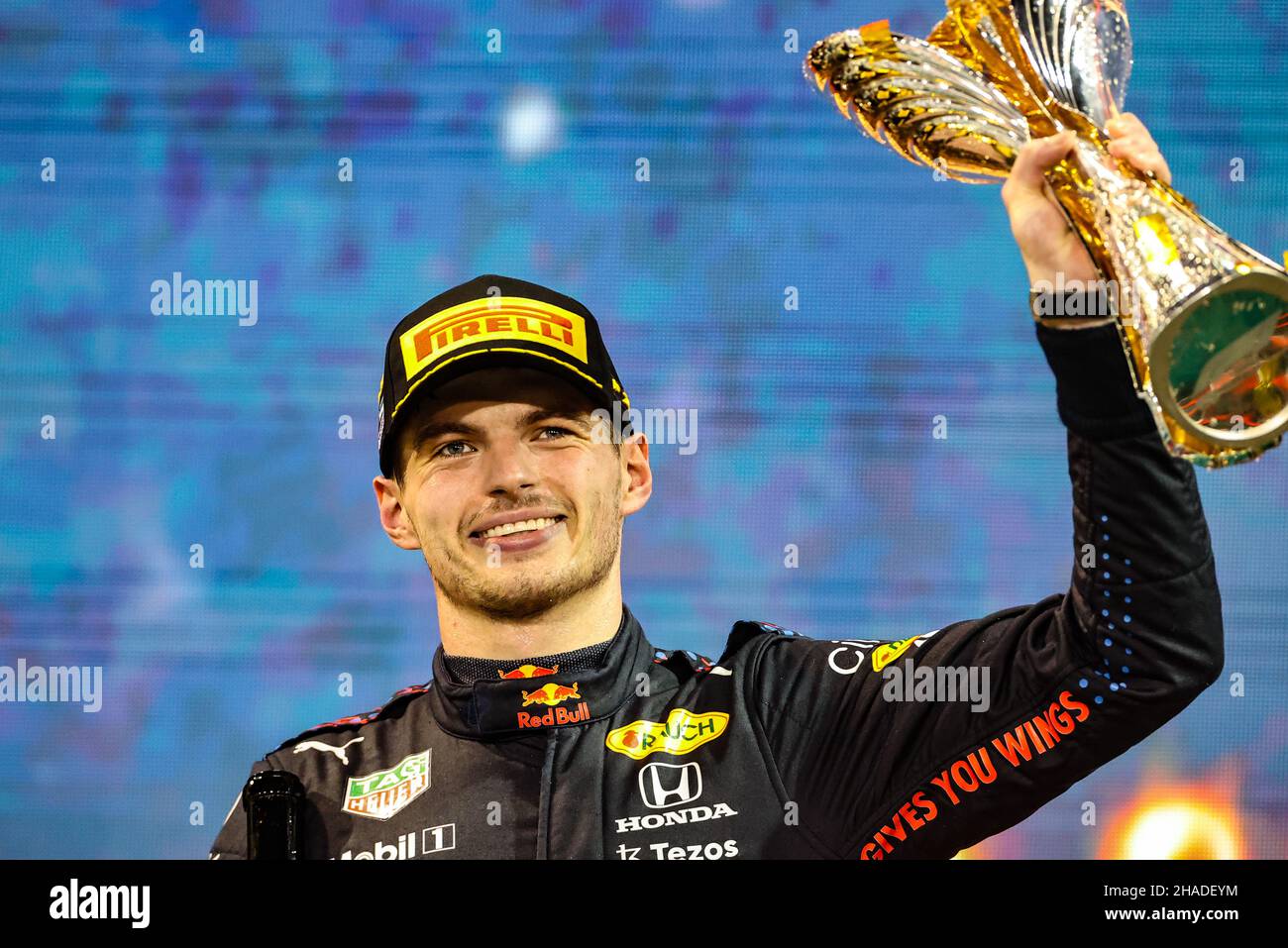
Vettel’s 2012 Abu Dhabi podium is often recalled alongside other exceptional recovery drives in F1 history. For example, Max Verstappen s performance at the 2021 Abu Dhabi Grand Prix, where he clinched the World Championship, showcased clinical precision on a pivotal day. Similarly, his drive at the sao Paulo Grand Prix, recovering from the pit lane to secure a podium finish, underscores how resilience and skill continue to define racing greats.
While each comeback carries unique circumstances, the common thread is the demonstration of extraordinary talent coupled with tactical savvy.
 Technical and Team Aspects Behind the Comeback
No comeback drive is possible without flawless teamwork and technical excellence. The 2012 Red Bull Racing team s strategic calls, pit stop timings, and real-time adjustments were critical to Vettel’s success.
In F1, race engineers and strategists continuously analyze data live, adapting plans to traffic conditions, tire wear, and competitors moves. Vettel benefited from optimal tire choices and well-executed pit stops, minimizing time loss and maximizing track position gains.
The synergy between driver and team during such races exemplifies the sport s complexity where split-second decisions have monumental consequences.
Legacy of the 2012 Abu Dhabi Podium
Vettel’s comeback drive left an indelible mark on Formula 1 lore. It illustrated how a setback need not dictate the final outcome, inspiring future generations of drivers and fans alike. This moment reinforced the ethos that resilience, preparation, and skill can’transcend challenging circumstances.
Moreover, such performances serve as educational case studies on racecraft, showcasing how to blend aggression with composure effectively. Every motor racing enthusiast treasures stories like Vettel’s 2012 Abu Dhabi effort because they reveal the profound human element embedded within high-technology competition.
Conclusion
Sebastian Vettel’s 2012 Abu Dhabi podium, achieved through a determined comeback from the pit lane, remains a testament to his extraordinary talent and mental strength. Beyond the spectacular visuals and statistics, this race embodies why Formula 1 is more than just a contest of speed. it’s a narrative of resilience, teamwork, and the unyielding pursuit of excellence, all unfolding against the backdrop of breathtaking precision engineering and razor-sharp strategy.
Such moments captivate our imagination because they mirror life’s broader challenges setbacks met with determination, obstacles overcome through skill and resolve. Vettel’s 2012 drive is a quintessential example of why we return to motorsport time and again, drawn to stories where the extraordinary happens against the odds.

// Discussion