In the high-octane world of Formula 1, rivalries between teammates have always captured the imagination of fans and critics alike. One of the most intriguing battles unfolded during the 2019 season, as four-time World Champion Sebastian Vettel’squared off against his rookie Ferrari teammate, Charles Leclerc. This article will explore the dynamics of their intense rivalry, often referred to as the “Teammate War,” using key moments, statistics, and the underlying factors that fueled this captivating competition.
The stage: Ferrari in 2019
The 2019 Formula 1 season was pivotal for Scuderia Ferrari. With Sebastian Vettel as the seasoned leader and Charles Leclerc as the promising newcomer, the team hoped to reclaim its position at the top of the grid. Ferrari’s car showed moments of brilliance, and the internal competition between its drivers added an unpredictable edge to their campaign.
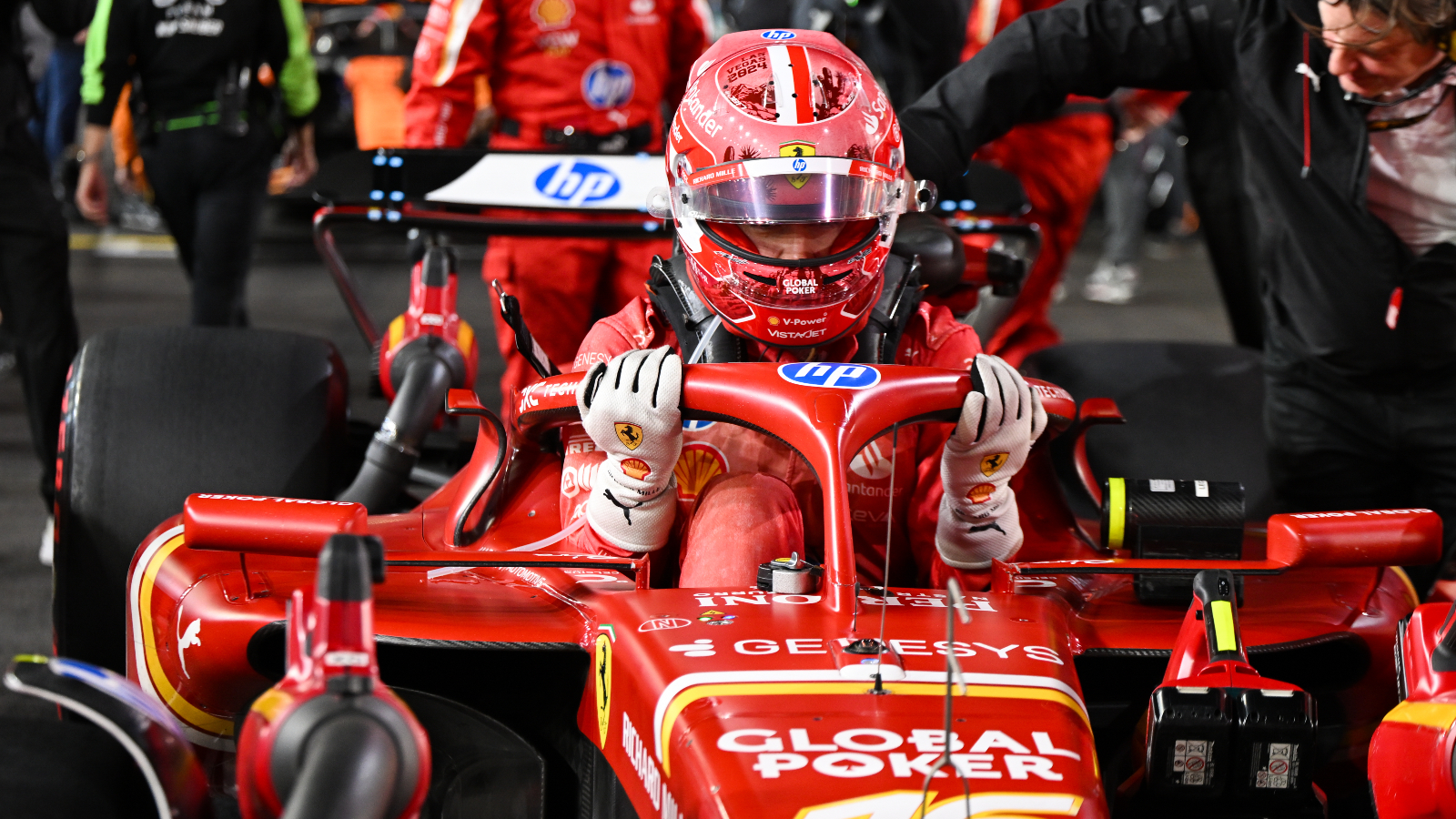 Charles Leclerc, the young star, rapidly made a name for himself amidst Ferrari’s established team environment.
Race Performance: Numbers Tell the story
Leclerc surprised many by outperforming Vettel, the multiple World Champion, in qualifying sessions and race finishes. Over the course of the season, Leclerc secured 10 out of Ferrari’s 11 pole positions, demonstrating remarkable speed and adaptability. His ability to extract maximum performance from the sF90 gave him a psychological advantage, showcasing a blend of aggressive precision and raw talent.
In terms of race victories, Leclerc clinched two wins during the season, compared to Vettel’s single victory. Notably, Leclerc s triumphs came at prestigious Grands Prix like Belgium and Italy, further cementing his emergence as a formidable competitor within the team and the sport. These figures reflect not just individual talent but also signal the shifting dynamics within Ferrari’s locker room.
The Psychological and Team Dynamics
At the heart of the Vettel-Leclerc rivalry were complex psychological and interpersonal factors. Vettel, a veteran navigating the twilight of his Ferrari tenure, faced mounting pressure both from the younger driver and the team hierarchy eager to nurture new talent. The stark contrast between Leclerc’s rising trajectory and Vettel’s struggles with consistency created visible tension.
This internal battle also influenced Ferrari’s team dynamics. Decisions around race strategy, car setups, and intra-team communications became delicate balancing acts. The rivalry provided a spectacle for fans but posed a challenge to the team s cohesion, influencing both race outcomes and longer-term planning.
Public and Media Perception
The ongoing Teammate War sparked intense media coverage and fan debate. Leclerc s rapid ascent attracted headlines praising him as Ferrari’s future, while Vettel often came under scrutiny for errors and underperformance. This narrative was amplified by social media and public commentary, with many polarized opinions on who truly deserved the driver s seat spotlight.
Beyond the headlines, the situation highlighted the broader fascination with intra-team rivalries in motorsport a drama that combines the precision of racing with human emotion, ambition, and the quest for legacy.
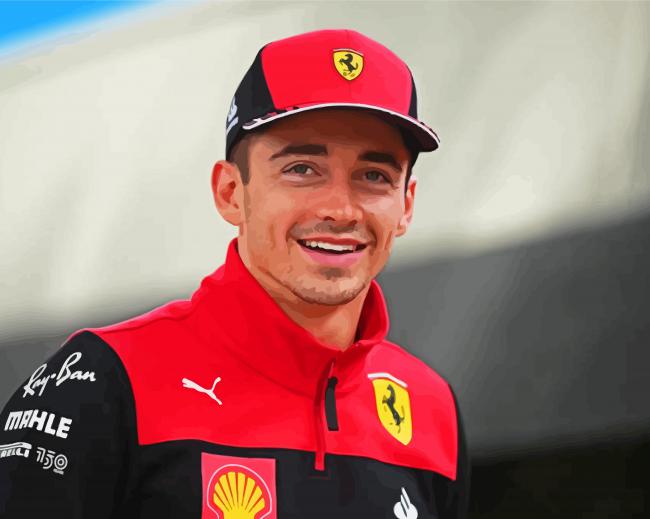 The charismatic presence of Charles Leclerc has even inspired fan art and tributes, reflecting his growing influence in the sport.
Beyond the Track: The Legacy of 2019
While the 2019 season did not culminate in a championship for Ferrari, the Vettel-Leclerc rivalry left an indelible mark on Formula 1. It underscored the challenges veteran drivers face when challenged by emerging stars within the same team. Moreover, it demonstrated how numbers pole positions, race wins, and qualifying times can narrate deeper stories of ambition, pressure, and change.
Interestingly, the Leclerc name also resonates outside Formula 1. The Leclerc brand, notably the French main battle tank, symbolizes strength and advancement, paralleling Charles Leclerc s own march towards prominence on the racing circuit.
 The name Leclerc extends beyond motorsport, representing power and innovation in other arenas.
Conclusion
The 2019 Vettel-Leclerc battle was more than a rivalry; it was a microcosm of Formula 1 s evolving landscape, where emerging talents challenge established champions within high-pressure environments. Numbers and statistics chronicle the thrills and outcomes, yet beneath the surface lies a kaleidoscope of human ambition, competition, and transformation. This Teammate War serves as a compelling chapter in the stories of both drivers and a reminder of why we remain fascinated by the fierce contests unfolding both on and off the racetrack.
// Discussion