In the fast-paced world of Formula 1, radio communications often provide fascinating insights into the mindset and emotions of drivers during the heat of the race. One memorable moment from the 2019 Russian Grand Prix involved Sebastian Vettel’s lighthearted yet striking radio message: “Bring back the V12s.” This playful plea not only harkened back to an era of roaring engines and raw power but also subtly challenged the current state of F1 power units. In this article, we will dive deep into that moment, Vettel’s 2019 Russian GP performance, the radio transmission context, and explore whether a return to the glory of V12 engines could ever realistically fit into modern Formula 1.
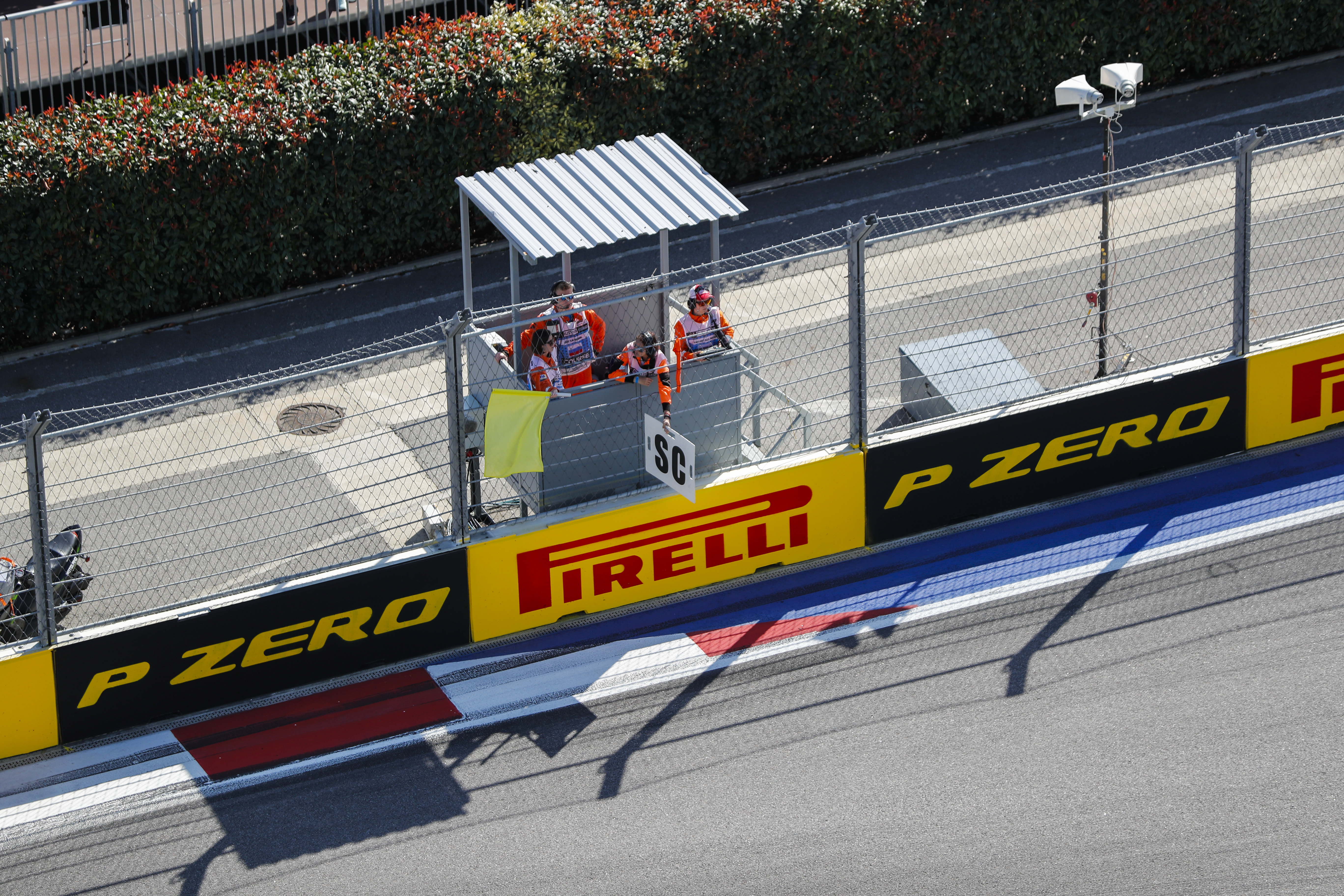
Sebastian Vettel at the 2019 Russian Grand Prix
Sebastian Vettel, four-time World Champion and one of Formula 1’s most skilled drivers, approached the 2019 Russian GP with the intent to score crucial points for Scuderia Ferrari. The sochi Autodrom, known for its technical corners and long straights, often tests both driver skill and engine performance, making it an ideal battleground for power unit superiority.
During this race weekend, Vettel’s pace was competitive, but the battle was fierce. With Mercedes and Red Bull fighting at the front, Ferrari needed everything to align perfectly for a chance at the podium.
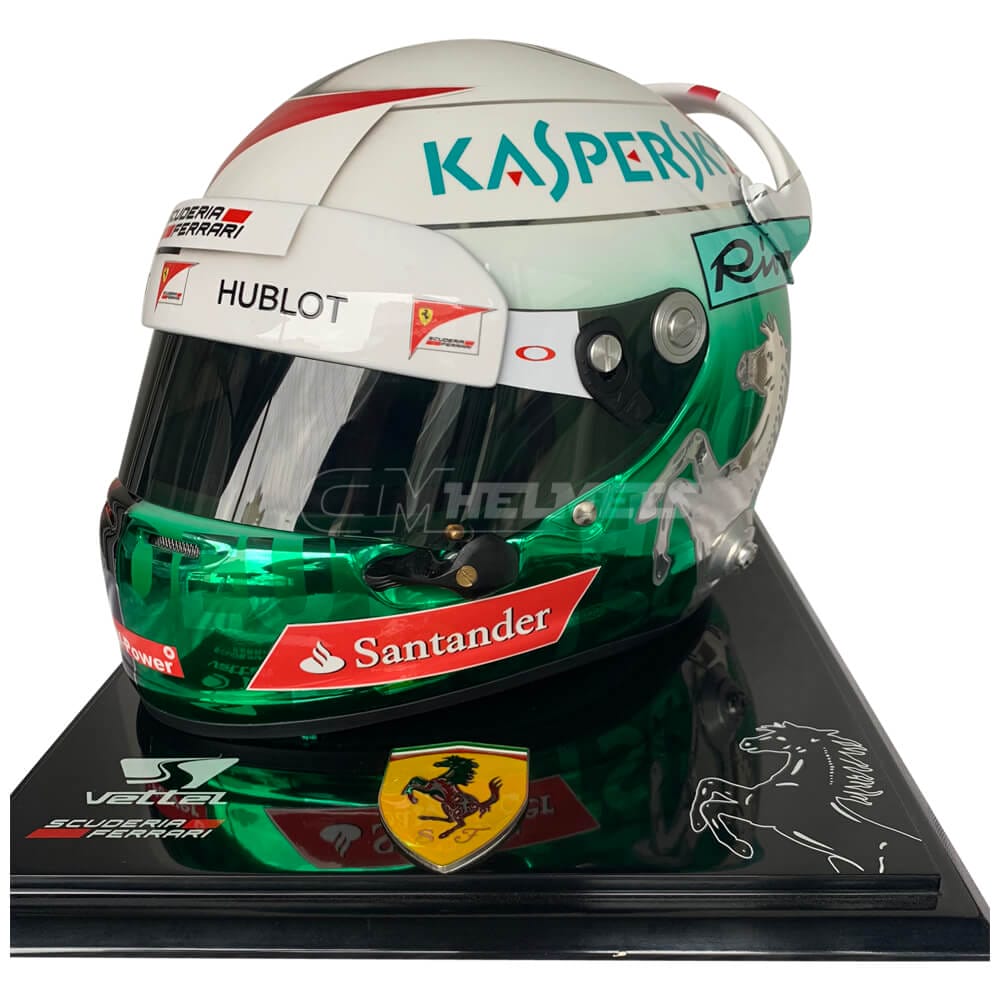 Vettel wore his distinctive 2019 Russian GP helmet throughout the weekend, with a design reflecting both his personal style and national elements connected to the race locale. This helmet has since become iconic among fans and collectors alike.
The Iconic Radio Message: Bring Back the V12s ———————————————–
One of the stand-out moments during the race came over Vettel’s radio. After some complex strategic movements, engine management scenarios, and tire preservation talk, Vettel quipped, “Bring back the V12s.” This phrase served as a nostalgic nod to the era when Formula 1 engines were more naturally aspirated, ear-splittingly loud, and perhaps, in drivers eyes, more visceral and thrilling.
Technological advancements have since brought turbo-hybrid power units that emphasize efficiency and sustainability over sheer noise and power alone. While these units are marvels of modern engineering, some purists and drivers miss the simplicity and auditory drama that defined previous decades.
 This second image of Vettel’s 2019 Russian GP helmet underscores his energetic presence at the event and symbolically connects the driver s wishful radio message to the cherished history of F1’s powerful engines.
The question posed by Vettel was playful, yet it introduced the challenge: can Formula 1 reintroduce the spirit of past technical eras without compromising modern demands on sustainability, safety, and progression?
Race Simulation & Performance Insights
Understanding the context of Vettel’s statement involves a look at race simulation data from FP2 sessions during the 2019 Russian GP. Teams like Mercedes, Ferrari, and Red Bull ran varying fuel loads and tire compounds to optimize race strategies. The top teams demonstrated differing levels of pace and tire degradation management, critical to understanding the race-day outcome.
The simulation pace charts reveal that while Vettel and Ferrari were competitive, the gap to Mercedes, particularly on straights, was considerable. The difference helped fuel Vettel’s desire for a power plant that could replicate the raw thrust and responsiveness of older engines.
Hybrid engines, while efficient, introduce complexities like turbo lag and energy recovery management, which some drivers have found dampen the driving experience compared to naturally aspirated engines. Vettel’s comment captured this sentiment perfectly, blending humor with a hint of frustration.
Could Bringing Back the V12s be a Reality?
The V12 engine has a regal place in Formula 1 history. Known for producing incredible power and a symphony of sound, V12s powered some of the most legendary cars on the grid throughout the 1980s and early 1990s.
However, Formula 1 today is regulated with a focus on sustainability, cost control, and technology that aligns with the automotive industry s movement towards electric and hybrid powertrains. These constraints make the reintroduction of V12 engines not only unlikely but also contrary to the sport s long-term vision.
Additionally, modern regulations limit engine capacity, introduce complex energy recovery systems, and set stringent fuel consumption rules to improve environmental impact. V12s, known for their thirst and complexity, would struggle to meet these criteria without major modifications.
Still, the romantic idea of reviving these engines lives on in fans’ and drivers imaginations. The challenge for Formula 1 is balancing heritage and innovation, excitement and responsibility, noise and efficiency. Might there be a middle ground where future technology can conjure the spirit of the V12 experience while meeting modern standards? Only time will tell.
Conclusion
Sebastian Vettel’s 2019 Russian GP radio message, Bring back the V12s, invited fans and insiders alike to pause and reminisce about Formula 1 s glorious past. It posed a playful but poignant question: can’the thrill and raw power of those iconic engines ever return to the modern grid?
While the current era of turbo-hybrid engines represents an incredible technological leap forward, the spirit captured in Vettel’s words highlights the ongoing dialogue between tradition and progress in Formula 1. As the sport continues evolving, the challenge remains to preserve the magic that makes F1 so special the sound, the speed, the drama even if that means bidding farewell to the era of the V12s forever or finding new ways to embrace their legacy in the technology of tomorrow.


// Discussion