
In the high-octane world of Formula 1, where milliseconds separate victory from defeat, Sebastian Vettel’s 2021 season with Aston Martin offered a fascinating glimpse into the delicate balance between man and machine. This article dives deep into Vettel’s Aston Martin journey in 2021, exploring how his aggressive driving style sometimes overstepped the boundaries of the car s capabilities and raised the question: was he mastering the machine or merely overdriving it? Join us as we examine the nuances of Vettel’s performance, the challenges he faced, and what it truly meant to push the limits in the 2021 Aston Martin.
Vettel’s Transition to Aston Martin: A New Chapter
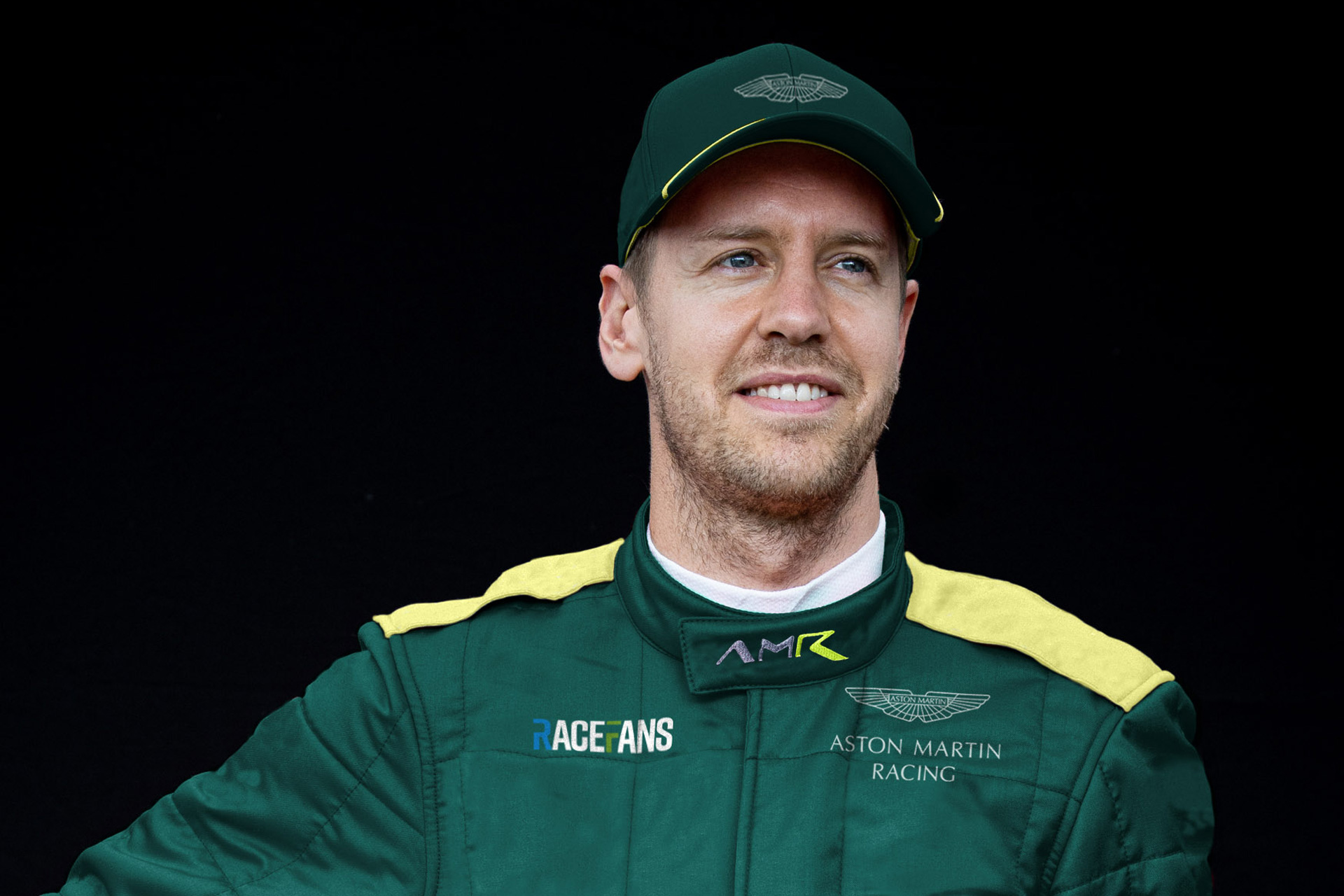
For Sebastian Vettel, 2021 was a year of transitions. After a long and illustrious career with Red Bull and Ferrari, moving to Aston Martin brought fresh expectations and fresh challenges. The Aston Martin AMR21 was a car unproven in frontline competition, promising potential but demanding patience and precision from its drivers. Vettel entered the season with a hunger to prove that his experience and race craft could extract the very best if not beyond from this evolving machine.
Yet, any Formula 1 enthusiast knows that adapting to a new car is never a straightforward challenge. The Aston Martin AMR21 was designed on the back of the previous year’s Racing Point car, featuring updated aero components and a different engine strategy under the Mercedes power unit. While the underlying chassis showed promise, the car often lacked the outright pace of front-runners, placing Vettel in a position where overdriving occasionally seemed like the only option to claw back precious tenths of a second.
 Overdriving the Car: What Does It Mean?
The phrase overdriving the car refers to pushing the car beyond its ideal handling limits, often resulting in sliding, tire degradation, or less efficient racing lines. For Vettel, a driver known for his smooth style and strategic intelligence, 2021 sometimes felt like a masterclass in finding the razor s edge between control and excess. Driving too hard in corners can create extra tire wear or instability, which in turn affects performance over a race stint.
Vettel’s approach with Aston Martin seemed to toe that line frequently. Whether battling midfield rivals or trying to unlock performance on tricky circuits, he often pushed the car to its boundaries. The challenge then was twofold: keep the car on the track and maintain competitive lap times despite a package that was often a step behind the leaders.
Extracting Performance on Street Circuits and Tight Tracks
One area where Vettel’s efforts shone was on street circuits and tighter tracks, where driver skill can compensate for car deficits. Places like Monaco, Baku, and Singapore demand precision, patience, and the ability to manage tire wear aggressively. Vettel demonstrated moments of brilliance here, using his experience to squeeze extra performance out of the Aston Martin AMR21, often impressing fans and commentators alike with his defensive skills and late braking ability.
However, overdriving also manifested at these venues in the form of moments where the rear of the car would step out unexpectedly or tire degradation seemed accelerated during race stints. His aggressive braking points and push into corners occasionally brought mixed results, questioning whether the gallant efforts were sustainable or merely flashes of desperation to stay competitive.
Technical Challenges and Car Limitations
it’s important to remember that Vettel’s performance was shaped significantly by the underlying technical limitations of the AMR21. Despite having a Mercedes power unit and a robust chassis, the car suffered from aerodynamic inefficiencies compared to the dominant teams. This meant that Vettel consistently wrestled a car that struggled under varying conditions especially on hot races where tire degradation was more pronounced.
Overdriving the car was in part a natural evolution of a driver trying to coax more performance out of a less than ideal package. Sometimes, the AMR21 s setup window was narrow, demanding an aggressive approach to suit the fluctuating grip levels. Vettel’s willingness to push the limits showcased his adaptability, though it occasionally resulted in lost rhythm or mistakes due to overcommitment.
Balancing Experience and Adaptability
Vettel’s 2021 campaign was a test of balancing raw pace with racecraft, especially given the team s evolving strategy. The Aston Martin outfit was investing heavily in future development, while Vettel needed to deliver results immediately. This dual pressure exposed situations where Vettel’s naturally smooth, calculated driving style had to adjust to a car that demanded a more aggressive stance a challenging transition for any driver of his caliber.
What stood out, however, was Vettel’s professionalism and openness to understanding the car s limits. Post-race interviews often revealed his thoughtful dissection of the AMR21 s behavior, exploring how to find the perfect compromise between overdriving and smooth efficiency. This ongoing dialogue between driver and engineers was crucial for the team s progress and Vettel’s ability to manage the inherent challenges of the season.
 Comparisons With Aston Martin s Road Cars: A Legacy of Precision and Power
Interestingly, while Vettel grappled with the nuances of overdriving a formidable but limited Formula 1 machine, the Aston Martin brand continues to encapsulate precision engineering and exhilarating performance in its road cars. Models like the 2021 DBS Superleggera 007 Edition stand as icons of refined power and relentless craftsmanship a different but related world where mastering the car is about coalescing mechanical prowess with driver control.
This contrast between the high-tech F1 machine and the road-going Aston Martin highlights the challenge Vettel faced. On the track, every tenth matters, every decision is critical, and overdriving can cost dearly. Off the track, Aston Martin s cars offer more forgiveness, yet both worlds require a deep understanding of vehicle dynamics. Vettel’s efforts in F1 helped underscore the razor-thin margin that separates pushing a car right to its limits versus letting it run efficiently and smoothly.
Conclusion
So, did Sebastian Vettel master the 2021 Aston Martin or simply overdrive it? The answer lies somewhere in between. Vettel’s season was a compelling study in the art of managing and, at times, challenging the boundaries of a car that demanded a delicate blend of aggression and finesse. His willingness to push to the limit underscored a deep competitive spirit and a quest for performance amid a package that was still evolving.
Vettel’s 2021 campaign with Aston Martin wasn t just about lap times or race results; it was a testament to the human element in motorsport the push and pull between a driver s ambition and the mechanical truths of their machine. This thrilling dance invites fans and enthusiasts to ask: when does pushing a car to the edge become overdriving? And, more importantly, can’that same edge become the launchpad for future success?


// Discussion