In this article, we delve into Sebastian Vettel’s much-anticipated return to the Formula 1 paddock in 2026, a move that s captured the imagination of the motorsport community. From playful speculations about his motivations to an analysis of the potential challenges he faces in re-entering the high-octane world of F1, we will offer a comprehensive look at what Vettel’s comeback means and maybe tease out why he “only came for the bees.” Buckle up as we explore the backdrop, the buzz, and the big questions surrounding this fascinating chapter in Vettel’s racing journey.
Who is Sebastian Vettel and Why the 2026 Return Matters
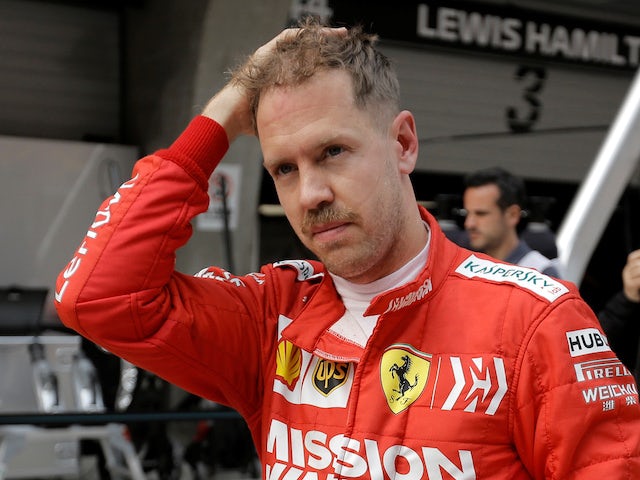
For those familiar with the thunderous roar of Formula 1 engines and the aerodynamic ballet on circuits around the globe, Sebastian Vettel needs little introduction. A four-time World Champion and one of the most skilled drivers of his generation, Vettel retired with a legacy of blistering speed and technical prowess. His return to the paddock in 2026 sparks curiosity and excitement because it signals not just a comeback but potentially an entirely new chapter for the sport. Fans and pundits alike are asking: why now, and what can Vettel contribute to a paddock that has evolved significantly since his departure?

The Playful Question: Did Vettel Only Come for the Bees?
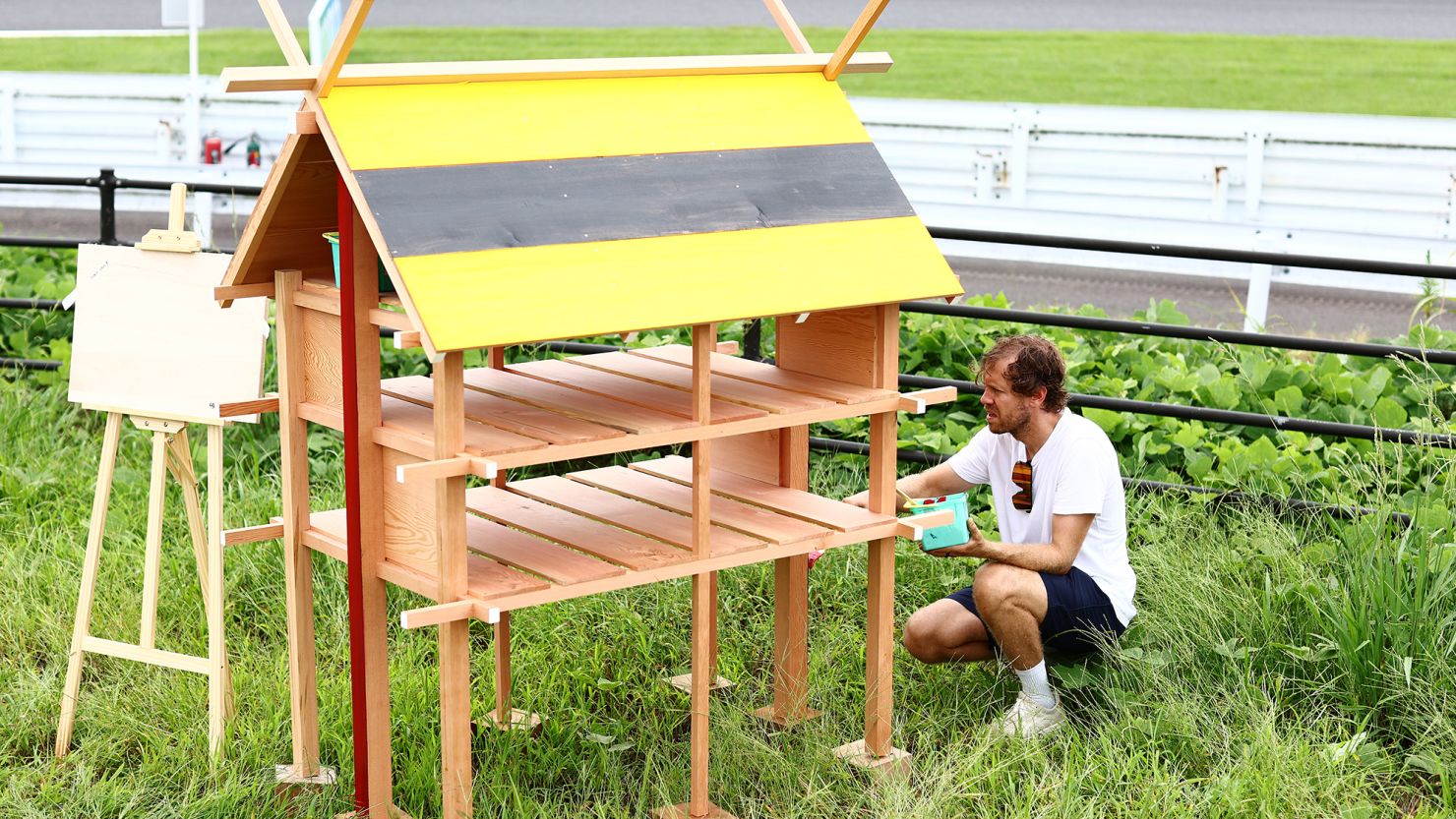
One of the lighter yet intriguing stories making rounds in the paddock chatter refers to Vettel’s well-known passion for environmental causes, including beekeeping. The playful question raised by fans and commentators alike is Did Vettel really come back because he missed Formula 1, or was it just to be around the bees? This seemingly humorous angle carries a deeper nuance: Vettel’s commitment to sustainability has been prominent even during his racing career. His environmentally conscious initiatives off-track have garnered respect, and his re-entry into F1 may signal an increased emphasis on embracing green practices within the paddock. It also raises the question of how future F1 strategies may integrate ecological awareness into their operations.

Challenges and Opportunities in the 2026 Paddock
Returning to the paddock after a hiatus involves more than just stepping into the spotlight again. Vettel is facing a paddock transformed by technology, regulations, and an ever-evolving competitive landscape. From hybrid power units and aerodynamic innovations to digitally driven fan engagement, the 2026 paddock demands adaptability.
One immediate challenge for Vettel is whether he will return as a driver, advisor, or ambassador. Each role has its unique demands and opportunities:
- Driver: Competing at the highest level after several seasons away is notoriously difficult. The physical and mental demands of modern F1, combined with Vettel’s age and time out of the cockpit, make this option the most challenging yet potentially inspiring.
- Advisor: With his vast experience, Vettel could play a crucial role in mentoring younger drivers or influencing team strategy. Former champions often bring credibility and insight that help shape future champions.
- Ambassador: In this role, Vettel could champion causes that resonate with him like sustainability while maintaining close ties to the sport without the pressure of daily racing.
Each path comes with the opportunity to influence the sport s future positively but also requires navigating a complex paddock culture that includes intense competition, commercial interests, and global media scrutiny.
Understanding the Paddock Layout and Its Impact on Vettel’s Return
Another crucial aspect of Vettel’s comeback is the literal and figurative layout of the paddock space. The paddock seating charts, such as those seen at circuits like Indy Speedway, reveal how teams, media, and key stakeholders are arranged. These arrangements affect communication flow, alliances, and atmosphere.
 The 2026 paddock is expected to be even more carefully organized to promote collaboration, technological demonstrations, and fan experiences. Vettel’s ability to adapt to this environment where off-track relationships and negotiations are as critical as on-track performance will be a determining factor in the success of his return.
Conclusion: What Vettel’s 2026 Return Could Mean for Formula 1
Sebastian Vettel’s return to the F1 paddock in 2026 poses an intriguing mix of nostalgia, innovation, and challenge. Whether he truly only came for the bees or has grander ambitions, his presence adds a compelling layer to the evolving narrative of Formula 1. His return could serve as a bridge between eras, linking the sport s rich past with its increasingly technical and socially-conscious future.
Ultimately, Vettel’s comeback is about much more than a single driver stepping back into a familiar environment. it’s about adapting, influencing, and inspiring in a paddock that continues to grow in complexity and global significance. Fans should watch closely as Vettel navigates these challenges his moves may not only shape his own destiny but also the direction of Formula 1 itself.

// Discussion