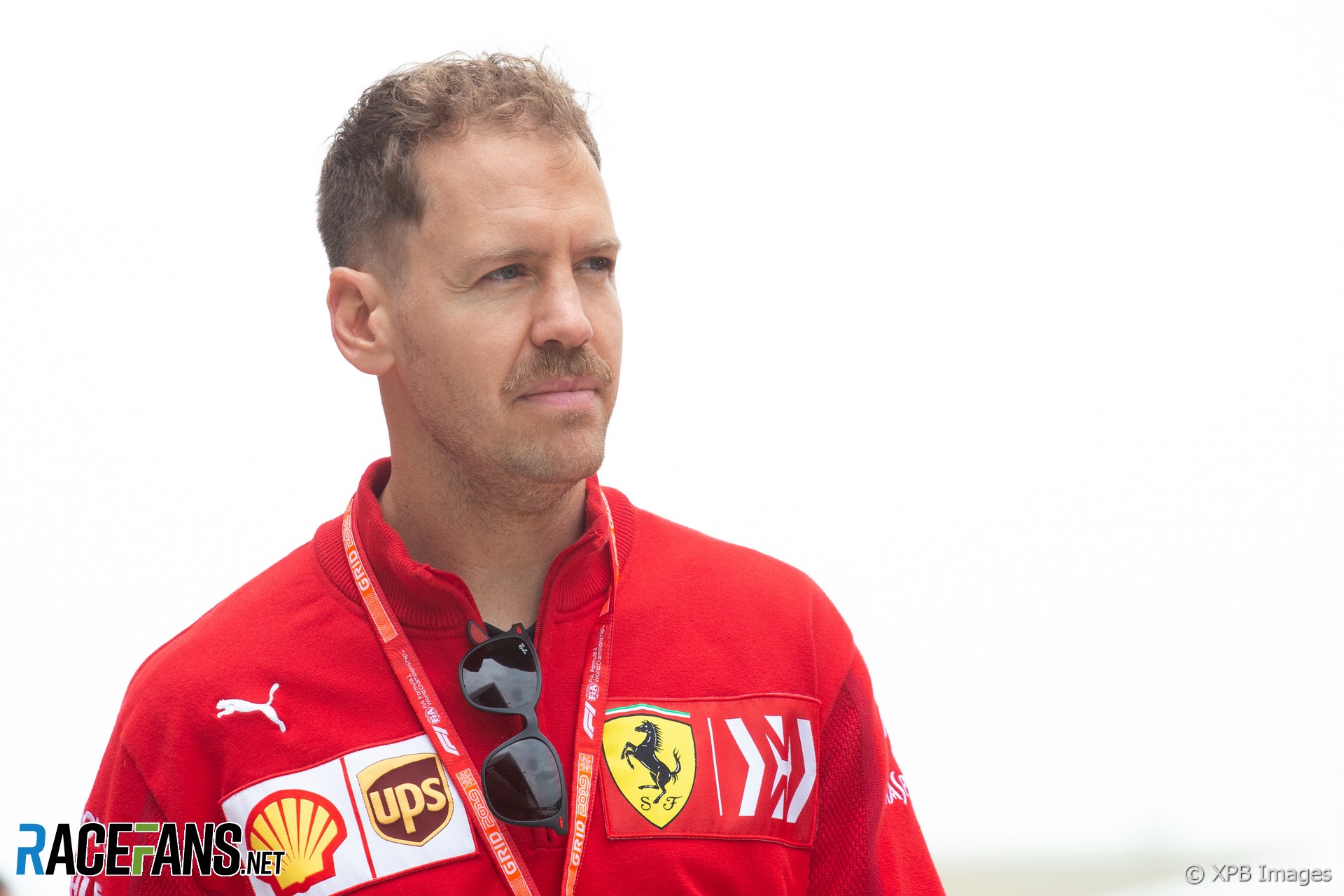
In the high-octane world of Formula 1, certain moments stand out not just for their immediate drama, but for the way they signal deeper shifts beneath the surface. One such moment that continues to resonate with fans and insiders alike is Sebastian Vettel’s infamous spin during the 2019 Bahrain Grand Prix. This incident didn’t just alter a race; it quietly marked the beginning of a challenging chapter for one of the sport s most celebrated drivers. In this article, we ll explore the context, implications, and underlying dynamics of that spin, unraveling how it symbolized much more than a simple on-track mistake.
The 2019 Bahrain Grand Prix: Setting the stage
The 2019 season carried with it considerable anticipation. Sebastian Vettel, a four-time World Champion, was in the midst of what many hoped would be a resurgence with Ferrari after a turbulent 2018. Bahrain, the first night race of the season, was particularly important offering a fresh start amid the desert glare and unpredictable track conditions.
Fans, pundits, and the team alike watched eagerly as qualifying set the scene for a competitive race. While Ferrari’s car showed promise, it was clear that Mercedes remained the dominant force. Nonetheless, Vettel’s raw talent was expected to translate into an aggressive, strategic race effort.
 The spin: More Than Just a Mistake
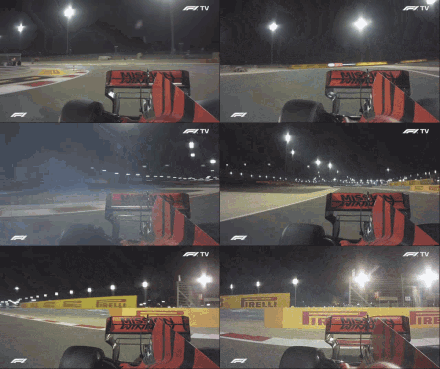
Early in the Grand Prix, just as Vettel’sought to capitalize on a critical moment, fate intervened with an unforced error a spin that saw him lose precious time and track position. To many casual observers, it was a moment of misjudgment, a solitary lapse in focus. Yet, upon deeper examination, this spin came to symbolize a growing tension between driver and machine, driver and team strategy, and perhaps even within Vettel’s own mindset.
What makes Vettel’s 2019 Bahrain spin particularly noteworthy is its timing and context within his career trajectory. The spin occurred during an aggressive push to close gaps and challenge race leaders a move that underscored the pressure Vettel was under to perform, especially as younger contenders and internal team dynamics evolved.
Technical and Strategic Factors Behind the spin
Analyzing the race footage and telemetry data reveals that multiple factors contributed to the incident. Track temperature fluctuations, tire degradation, and Ferrari’s setup choices created a precarious balance between speed and control. The Bahrain circuit demands precise handling, particularly at high-speed corners where grip is paramount.
Vettel’s spin can be partially attributed to these technical complexities. The car s behavior under braking and cornering pressure exposed vulnerabilities both in its mechanical setup and in how Vettel felt compelled to push beyond comfortable limits. This moment exposed cracks in Ferrari’s race-day execution and in Vettel’s ability to extract consistent performance under duress.
The Psychological Impact: Confidence Shaken
For a driver of Vettel’s caliber, confidence is as crucial as the machinery beneath him. The spin not only compromised his position in the race but triggered a psychological ripple effect. Historically meticulous and strategically sound, Vettel appeared increasingly tentative after this incident, a shift that some critics argue haunted him throughout the 2019 season.
Confidence in Formula 1 is a fragile yet potent force. One high-profile mistake on the world stage can seed doubt and disrupt a driver s rhythm for races to come. This spin marked the beginning of what many perceived as a gradual erosion of Vettel’s in-race assertiveness, affecting how he approached battles, tire management, and interactions with team strategy calls.
The Broader Narrative: A Changing of the Guard
Beyond the immediate race and its repercussions, Vettel’s spin in Bahrain symbolized a broader shift in Formula 1 s competitive landscape. The sport was increasingly defined by emerging talents, evolving technologies, and a relentless pursuit of perfection from front-running teams like Mercedes and Red Bull.
Ferrari itself was grappling with internal pressures to reclaim dominance, and Vettel’s setback highlighted a growing disconnect between the driver s expectations and the team s ability to provide a consistently competitive platform. The spin became a metaphor for the challenges of adapting to a rapidly changing sport where margins for error were vanishingly thin.
Reflection in Retrospect: Learning From Bahrain 2019
Looking back, the Bahrain spin invites reflection on the complexities of racing at the highest level. It underscores how a single moment can encapsulate technical struggles, psychological battles, and evolving team dynamics simultaneously. For Vettel, the incident served as a crucial inflection point a moment that demanded introspection and adaptation in a season that proved to be rife with obstacles.
Fans and analysts alike view the 2019 Bahrain Grand Prix not just as a pit stop in Vettel’s career but as a symbolic “beginning of the end” for his tenure at Ferrari, which culminated with his departure at the end of the year. It reminds us that even champions are vulnerable to the relentless pressures that come with competing at the pinnacle of motorsport.
Conclusion
Vettel’s 2019 Bahrain spin remains etched in the memories of Formula 1 enthusiasts as more than a fleeting race error. It represents a multifaceted moment of transition technically, psychologically, and culturally within the sport. As we reflect on this pivotal event, it encourages a deeper appreciation of the intricate factors at play in every corner of Formula 1 racing.
Far from being just a mishap on the track, the spin foreshadowed the challenges that lay ahead for Vettel and Ferrari, serving as a subtle yet powerful symbol of change. For fans and historians, it offers a compelling narrative about resilience, adaptation, and the unpredictable ebb and flow of greatness in the unforgiving arena of Formula 1.


// Discussion