
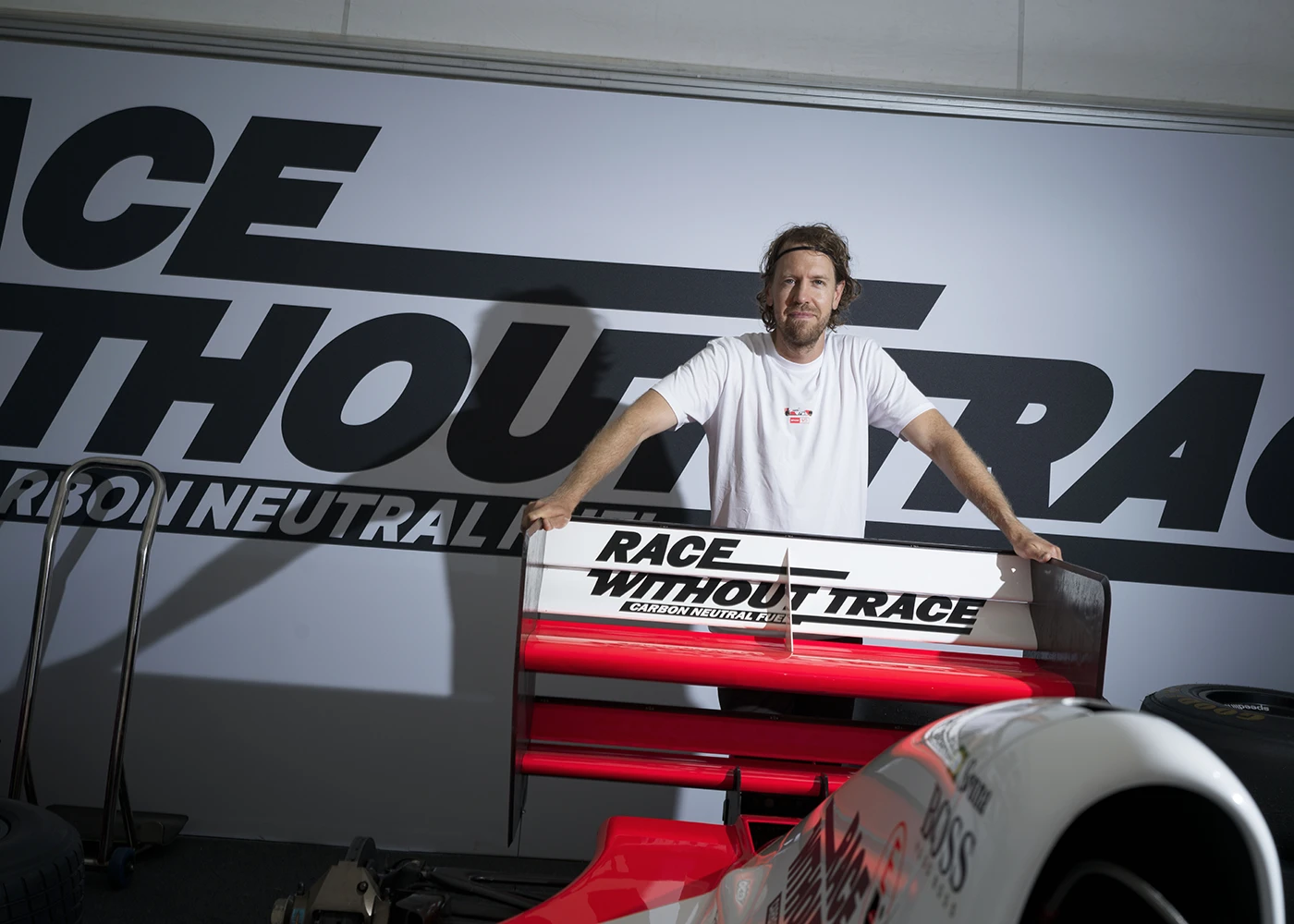
In recent years, Formula 1 has been at the forefront of technological innovation and environmental consciousness. Among the boldest opinions emerging from the motorsport community is Sebastian Vettel’s hot take that F1 should transition to being 100% electric by 2035. This article delves into this provocative idea, exploring why such a move makes sense, the challenges ahead, and how it aligns with broader shifts in automotive and energy industries. We ll also examine the deeper cultural and technological fascination behind this vision and what it could mean for the future of racing and sustainable mobility.
The Current State of Formula 1 and Its Environmental Impact
Formula 1 is renowned for its cutting-edge automotive technology, pushing the limits of engineering and speed. However, it also faces criticism for the environmental impact associated with fossil fuel consumption and carbon emissions. While F1 has made significant strides toward sustainability including hybrid engines and sustainable fuels it remains heavily reliant on internal combustion engines (ICE). Sebastian Vettel’s call for a full electric transformation by 2035 is a clear acknowledgment of the growing demand for greener, cleaner technologies in not only motorsport but in society at large.
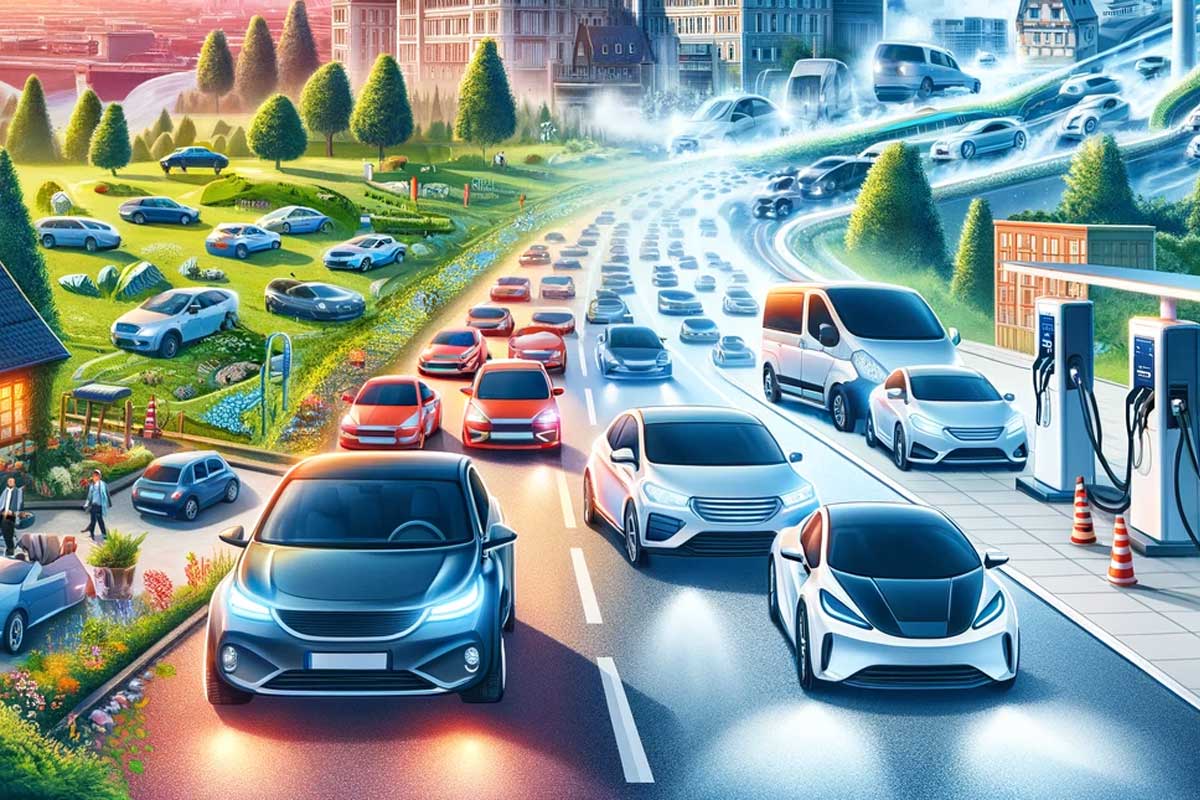
This shift in perspective also resonates with global efforts to phase out fossil fuels, as governments and industries pledge ambitious climate targets. The automotive industry is expected to undergo a massive transformation towards electric vehicles (EVs), and by extension, it is fitting that F1, as the pinnacle of motorsport innovation, sets a precedent for sustainable racing.
 Technological Feasibility and Challenges of an All-Electric F1
Switching an intensely demanding sport like Formula 1 to a 100% electric format is easier said than done. There are multiple technological hurdles to overcome:
- Battery Technology: F1 cars require extremely high power density and rapid energy discharge, characteristics that current battery technology is still chasing. The race demands fast pit stops, minimal weight, and sustained high speeds, which are challenging to achieve with today s batteries.
- Range and Energy Management: Traditional F1 races last about 1.5 to 2 hours. Managing battery life to balance maximum performance and finishing a full race without pitstop-recharging breakthroughs remains a serious concern.
- Thermal Management: Maintaining optimal battery temperatures under intense racing conditions while ensuring safety is a critical engineering challenge.
Despite these challenges, ongoing advances in battery density, fast-charging infrastructure, and energy recovery systems are rapidly closing the gap. Formula E, the all-electric racing series created to showcase these technologies, has proven the sport s rigor and fan appeal. However, replicating F1 s speed, precision, and spectacle will require further innovation.
 Why 2035? Aligning with Global Environmental Targets
The year 2035 is increasingly seen as a pivotal milestone for the complete transition away from fossil fuels in transportation. Many countries have committed to banning the sale of new gasoline and diesel cars shortly after this date, signaling a fundamental shift toward electrification. F1 embracing a 100% electric format by 2035 would resonate with these wider trends and underline its commitment to a sustainable future.
By aligning with such global targets, Formula 1 would demonstrate leadership by example, influencing not just motorsport but billions of car buyers worldwide. This timeline also corresponds with expected technological breakthroughs in batteries and electric powertrains, making the transformation both aspirational and feasible.
The Cultural and Emotional Appeal of Electric Racing in F1
Formula 1 is far more than a technical contest; it is a vibrant spectacle filled with passion, drama, and raw emotion. One common observation among fans is their attachment to the iconic roar of F1 engines a visceral soundtrack that many feel electrification would diminish.
However, beneath this surface fascination lies a deeper allure: F1’s relentless pursuit of technological excellence and pushing boundaries. The anxiety over losing engine noise masks a broader excitement about innovation. Electric F1 could bring new kinds of thrills instant torque, silent intensity, and the next generation of aerodynamic and battery technologies that reframe the sensory and emotional experience of racing.
Moreover, electrification aligns with growing fan awareness of sustainability issues, enhancing connection and pride in supporting a sport that mirrors the global drive for clean energy. The cultural narrative shifts from nostalgia to vision, positioning F1 as a symbol of progress and possibility.
Impact on Industry and Innovation Beyond Racing
Formula 1 has historically acted as a high-stakes laboratory for automotive innovation. From aerodynamics to materials science and hybrid powertrains, breakthroughs pioneered in F1 eventually trickle down to commercial vehicles. Embracing electric powertrains fully would accelerate development in battery efficiency, electric motors, and energy recovery systems, influencing broader mobility sectors significantly.
The pressure of competition fuels rapid advancement, and the visibility of F1 ensures these technologies gain maximum attention and investment. This cascade effect could help overcome current obstacles facing electric vehicles, speeding adoption not only in consumer cars but across logistics, aviation, and other transportation modes.
Conclusion
Sebastian Vettel’s call for a 100% electric Formula 1 by 2035 encapsulates a bold vision that blends passion, sustainability, and technological ambition. While the transition involves significant challenges particularly technological and cultural it is an achievable and impactful goal. Aligning F1 with global climate targets positions the sport as a progressive leader, inspiring innovation and setting a global example in clean mobility.
More than just a shift in machinery, the move to electric F1 promises to reshape the very experience of racing, fusing the thrill of speed with the promise of a sustainable future. As the world steers toward electrification, Formula 1 has the opportunity to accelerate the journey and redefine what it means to race at the pinnacle of automotive excellence.

// Discussion