In this article, readers will explore Sebastian Vettel’s compelling stance on environmental responsibility within the world of Formula One racing. Vettel, one of the sport s most prominent figures, has openly criticized what he describes as greenwashing by F1 teams and calls for genuine commitment to sustainability. We will delve into Vettel’s reasons for stepping away from the sport, the efforts Formula One is making to address climate change, and what this means for the future of racing. Throughout, readers will find detailed insights supported by relevant visuals to enhance understanding of this critical issue.
Vettel’s Departure and Environmental Concerns
In recent years, Sebastian Vettel has become outspoken not only about his racing career but also about his values off the track. The four-time Formula One World Champion recently decided to leave the sport, citing several reasons including concerns about climate change. While many fans may have expected his decision to be solely based on racing performance or personal goals, Vettel highlighted environmental sustainability as a key factor in his choice to step away.
He has expressed frustration at the superficial efforts sometimes made by F1 teams to appear environmentally friendly a practice commonly referred to as “greenwashing.” In the context of Formula One, this means teams might showcase limited sustainable initiatives in marketing campaigns without committing to meaningful, long-term environmental changes. Vettel’s criticism shines a light on the gap between the sport s public relations and its actual sustainability measures.
 By calling out greenwashing, Vettel urges teams and the sport as a whole to evaluate their environmental impact seriously rather than present a fa ade for public approval.
Formula One’s Commitment to Carbon Neutrality by 2030
In response to growing scrutiny over environmental impacts, Formula One has publicly announced an ambitious plan to become carbon neutral by the year 2030. This decision reflects the larger trend across sports and industries to address climate change and reduce carbon footprints.
The plan involves multiple initiatives, including the development of hybrid and electric technologies, reducing logistics emissions, and improving the sustainability of race events. Additionally, Formula One is looking into alternative energy sources and the promotion of sustainable materials. While this is a significant step forward, many critics argue that the roadmap needs to be more transparent and actionable.
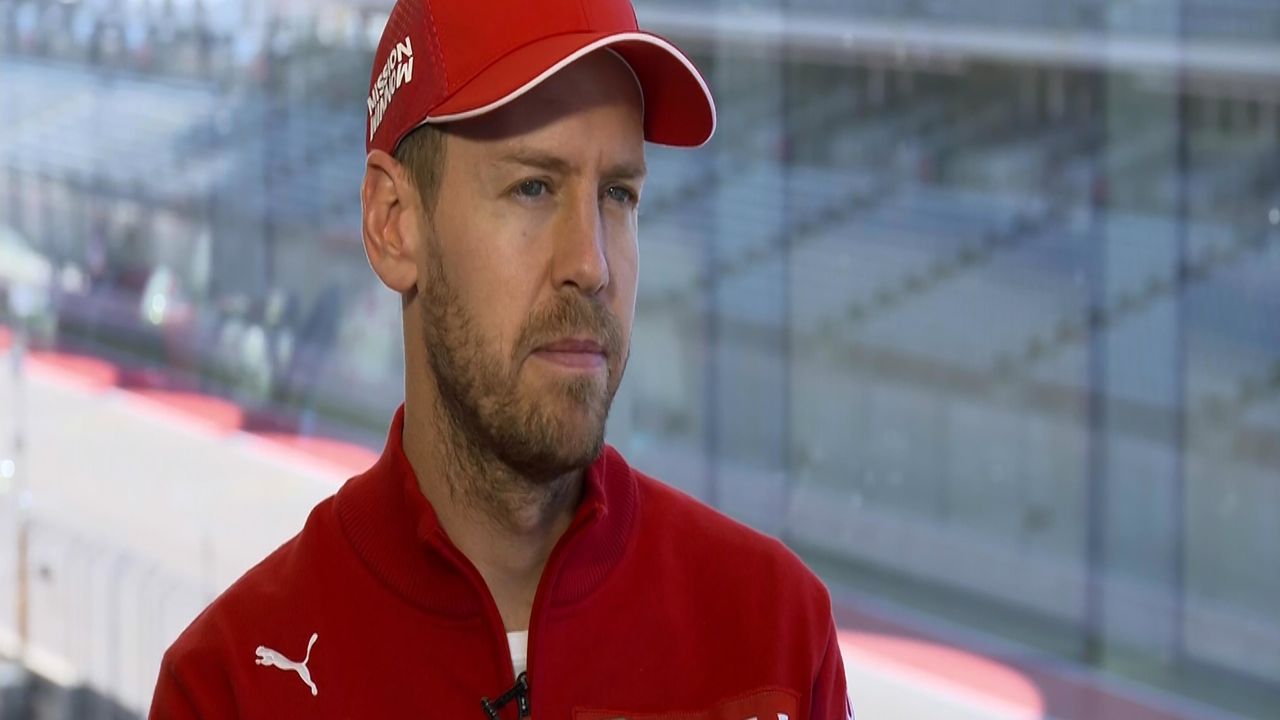 Vettel’s admonishment of greenwashing challenges F1 teams to not only meet but exceed these announced goals with genuine sustainable efforts.
Why Greenwashing is a Concern in Motorsport
Greenwashing is particularly problematic in motorsport, an industry traditionally associated with high fuel consumption, emissions, and environmental strain. Formula One, with its global fanbase and commercial reach, has the potential to influence public perceptions and behaviors surrounding sustainability.
When teams engage in greenwashing, they risk undermining critical environmental campaigns and alienating fans who care deeply about climate issues. It can also stall real progress within the sport, as resources may be diverted towards image management instead of innovation and change.
Moreover, since Formula One cars and operations operate under intense technological scrutiny, authentic sustainability solutions can lead to industry-wide advancements not just in racing but across transportation sectors globally. Vettel’s warnings highlight the importance of authentic engagement over superficial commitments.
The Role of Athletes in Advocating for Sustainability
Athletes like Sebastian Vettel play a crucial role in shaping conversations about social and environmental responsibility. As public figures, their voices resonate beyond their sport, inspiring both fans and industry stakeholders.
By leveraging his platform to discuss climate change and criticize greenwashing, Vettel’sets an example for other athletes to use their status for advocacy. His stance reinforces that true leadership involves courageously addressing difficult issues rather than focusing solely on personal accolades.
This advocacy can also pressure governing bodies and teams to adopt more transparent policies and invest in research and development that advances environmental goals in measurable ways.
Looking Ahead: The Future of Sustainability in Formula One
Formula One stands at a crossroads where it must balance its reputation for speed, innovation, and excitement with the urgent need for environmental sustainability. Vettel’s departure and public statements serve as a wake-up call for the sport to introspect and act with authenticity.
Fans, sponsors, and environmental advocates are increasingly demanding accountability, which can drive transformative change within the sport. If Formula One can successfully integrate sustainable technologies without compromising the thrill of racing, it could set a global example for other high-impact industries.
Collaboration between teams, drivers, and governing institutions will be essential for achieving the 2030 carbon neutrality goal in a meaningful way. This collaboration includes transparency about progress, investment in green technology, and creating regulations that prioritize ecological health.
Conclusion
Sebastian Vettel’s vocal critique of greenwashing within Formula One brings vital attention to the gap between environmental promises and genuine actions. His decision to leave the sport partly based on climate concerns underscores the importance of sustainability in modern athletics. While Formula One has announced ambitious plans to become carbon neutral by 2030, the road ahead requires sustained effort, transparency, and innovation.
For Formula One to remain relevant and responsible, it must move beyond surface-level commitments and prove its dedication to eco-friendly practices through concrete, measurable progress. Athletes like Vettel remind us that true leadership lies in accountability and action, inspiring both the motorsport world and its global audience to prioritize our planet s future.



// Discussion