
In this article, readers will gain a comprehensive understanding of Sebastian Vettel’s intriguing new investment in the Bio-Bahn project, which involves the production of eco-friendly wooden figurines and educational toy sets. We will explore Vettel’s motivations, the significance of this sustainable initiative, potential impacts on the toy and environmental industry, and how this aligns with his broader career and personal values. The article offers a blend of detailed insights, relevant images, and a clear breakdown to ensure a complete perspective on this exciting venture.
The Bio-Bahn Project: An Overview
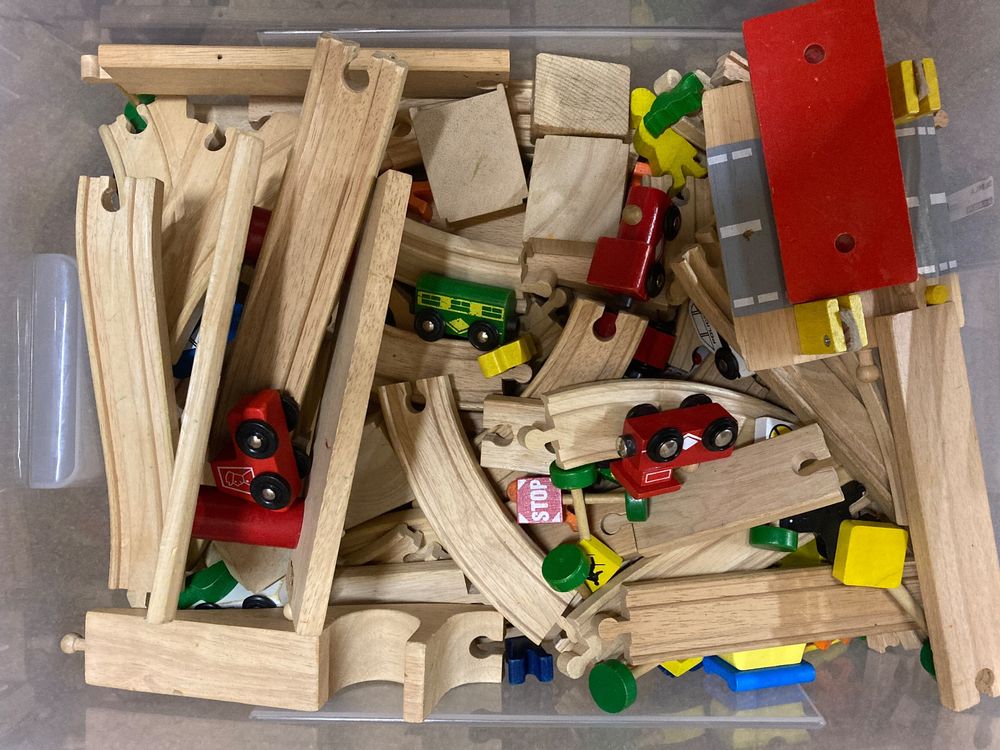
The Bio-Bahn project is a unique initiative focused on creating sustainable, environmentally-friendly toys made from natural wood materials. Central to the project is a set consisting of 200 wooden pieces, designed not only for play but also for fostering creativity and environmental awareness among children and adults alike. The project s dedication to biodegradable and eco-conscious production methods sets it apart in the wooden toys market.
Sebastian Vettel’s Investment: Why It Matters
Sebastian Vettel, a four-time Formula 1 World Champion, has recently placed an investment into the Bio-Bahn project, signaling his deepening interest in sustainable ventures outside of the racing world. While Vettel is widely known for his athletic accomplishments, his commitment to environmental causes has increasingly influenced his activities beyond motorsports.
This investment reflects Vettel’s keen awareness of the challenges our planet faces and his desire to support businesses that prioritize eco-friendly innovation. By supporting Bio-Bahn, Vettel not only helps scale the project s production and outreach but also acts as a catalyst in promoting a circular economy model, which reuses resources and minimizes waste.
His involvement also brings broader attention to sustainable products in mainstream markets, helping to shift consumer behavior toward greener alternatives. Vettel’s stature and engaging personality can amplify the message of sustainability further, inspiring others within and outside sports to make conscientious choices.
Aligning Sustainability with Creativity and Education
The Bio-Bahn project marries creativity and sustainability flawlessly, appealing particularly to families and educators who emphasize environmental responsibility. The wooden construction sets challenge users to build intricate structures, encouraging problem-solving skills, spatial reasoning, and imaginative play.
Unlike plastic toys, these wooden pieces are biodegradable and crafted from renewable resources, making them safer for both the environment and children. The use of non-toxic paints and responsibly sourced wood underscores an ethical manufacturing approach that prioritizes health and ecological balance.
With Sebastian Vettel’s support, the project aims to broaden its educational outreach by collaborating with schools and environmental programs. These efforts intend to nurture a generation of eco-conscious individuals who understand the importance of protecting natural resources through everyday choices, including the toys they play with.
Potential Impact on the Toy Industry and Environmental Sustainability
The investment in Bio-Bahn marks a strategic move that could influence the broader toy industry s shift towards sustainable products. The toy market traditionally depends heavily on plastic and mass production methods, which contribute significantly to global pollution and waste.
Investments like Vettel’s help promote a paradigm shift by demonstrating that sustainable alternatives can be both profitable and popular. This could encourage other investors and manufacturers to innovate in sustainable toy production, ultimately leading to more eco-friendly options on store shelves worldwide.
Moreover, Bio-Bahn s success could pave the way for increased public awareness about the lifecycle of toys and the environmental costs associated with their production and disposal. As consumers become more mindful, demand for sustainable products is likely to surge, creating lasting positive impacts on the environment.
 Sebastian Vettel’s Broader Career and Personal Philosophy
Beyond his accolades in Formula 1, Sebastian Vettel has long advocated for environmental responsibility and social causes. His decision to invest in Bio-Bahn is consistent with his philosophy of leveraging influence to bring about positive change.
Throughout his career, Vettel has used his platform to speak out on climate issues and promote sustainability in various forms. His involvement with a project like Bio-Bahn showcases how athletes can expand their impact beyond sports by supporting initiatives aligned with their values.
In doing so, Vettel exemplifies a modern athlete s approach to legacy-building one that balances professional success with meaningful contributions to society, particularly in addressing global challenges like climate change.
Conclusion
Sebastian Vettel’s investment in the Bio-Bahn project represents a powerful intersection of sustainability, creativity, education, and innovation. This venture highlights the potential for eco-friendly toys to revolutionize how communities engage with play and consumption, encouraging environmental stewardship from a young age.
Vettel’s active role brings valuable visibility to the project while reinforcing the importance of leveraging personal and professional influence for environmental causes. As Bio-Bahn grows, it may serve as a catalyst for transformative change in the toy industry and inspire a broader movement toward sustainable living.
Ultimately, the Bio-Bahn project exemplifies how thoughtful investment in green products can yield significant educational and ecological benefits, paving the way for a more sustainable future that aligns with the values of responsible innovation and conscientious consumerism.


// Discussion