In the high-stakes world of Formula 1, the Monaco Grand Prix stands apart as a dream and a nightmare in equal measure. Every corner, every chicane, every fraction of a second counts more than usual, and the swimming Pool chicane is one of the most pivotal and intriguing sections of the circuit. What secrets does this notorious corner hold, and how did Sebastian Vettel’s approach to it during Monaco qualifying sessions redefine his performance on this legendary track? Prepare to delve deep into Vettel’s Monaco qualifying secret and discover why the swimming Pool chicane isn’t just a corner it’s a game changer.
The Unique Challenge of the swimming Pool Chicane
The Monaco Grand Prix is unlike any other race on the Formula 1 calendar due to its tight street circuit, unforgiving barriers, and unquestionably technical layout. Among its many twists and turns, the swimming Pool chicane stands out as a sharp, demanding sequence of corners located right after a fast section on the harbor edge. This chicane requires drivers to exhibit incredible precision, balancing the need for speed with the dire consequences of a mistake one wrong move, and the wall is waiting.
The chicane’s complexity stems not only from its geometry but also from its context within the lap. After blasting through the fast downhill section, drivers must suddenly hit the brakes, employ perfect steering input, and navigate through the tight sequence without losing momentum. The risk is exacerbated by the close proximity of barriers and the rarely forgiving surface conditions around the harbor.
 Mastering this corner, therefore, isn’t just about raw talent; it’s about an intellectual understanding of the car s handling, tire behavior, and confidence in one s technique and setup. For Vettel, cracking this secret was a crucial part of his qualifying success in Monaco.
Vettel’s Approach: Precision Meets Aggression
What set Sebastian Vettel apart in Monaco qualifying, particularly at the swimming Pool chicane, was his unparalleled blend of precision and aggression. Unlike many drivers who tread cautiously around this perilous corner during qualifying, Vettel’s methodology was a calculated gamble pushing harder on the brakes, carrying just enough speed, yet never losing control.
He approached the chicane with a near-military focus, optimizing every aspect of his car setup to enhance stability through the quick directional changes. This involved fine-tuning the suspension settings and aerodynamics so that the car remained responsive but planted, providing the confidence to commit fully during qualifying laps.
This strategic approach meant that Vettel’s lap times around Monaco were consistently competitive. By extracting time through the swimming Pool chicane without compromising tire temperatures or risking a crash, Vettel gained crucial advantages that often placed him at the front of the grid.
Comparative Insights: How Other Drivers Tackle the Chicane
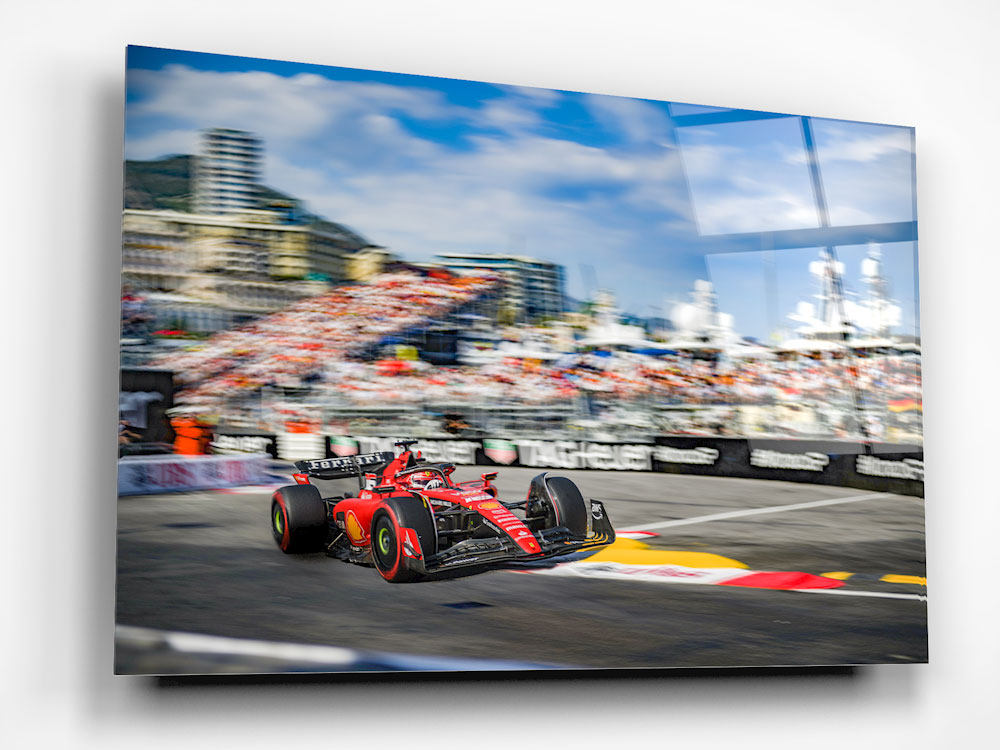
While Vettel mastered his unique approach, other successful drivers have also demonstrated different techniques to conquer the swimming Pool chicane. Take Charles Leclerc, for instance, whose smooth finesse and adaptive style allow him to glide through the corner with fluidity and control, often appearing to dance through the chicane.
 Lewis Hamilton, on the other hand, combines raw speed with sharp precision but adds an extra layer of daring by frequently pushing the limits at the chicane’s exit sometimes generating visible sparks as the floor scrapes the track surface, indicating just how hard he pushes his car s limits without losing traction or risking damage.
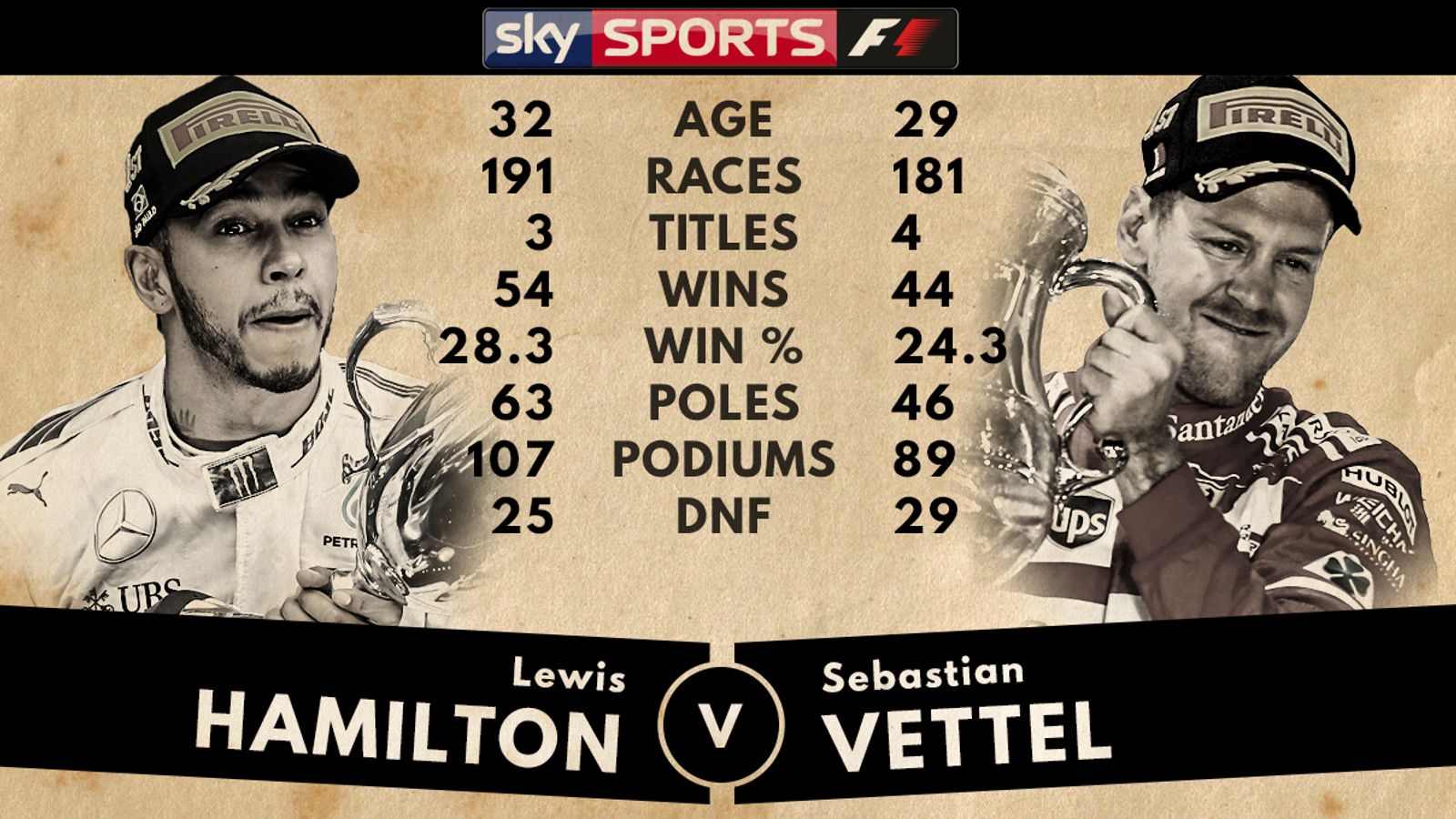
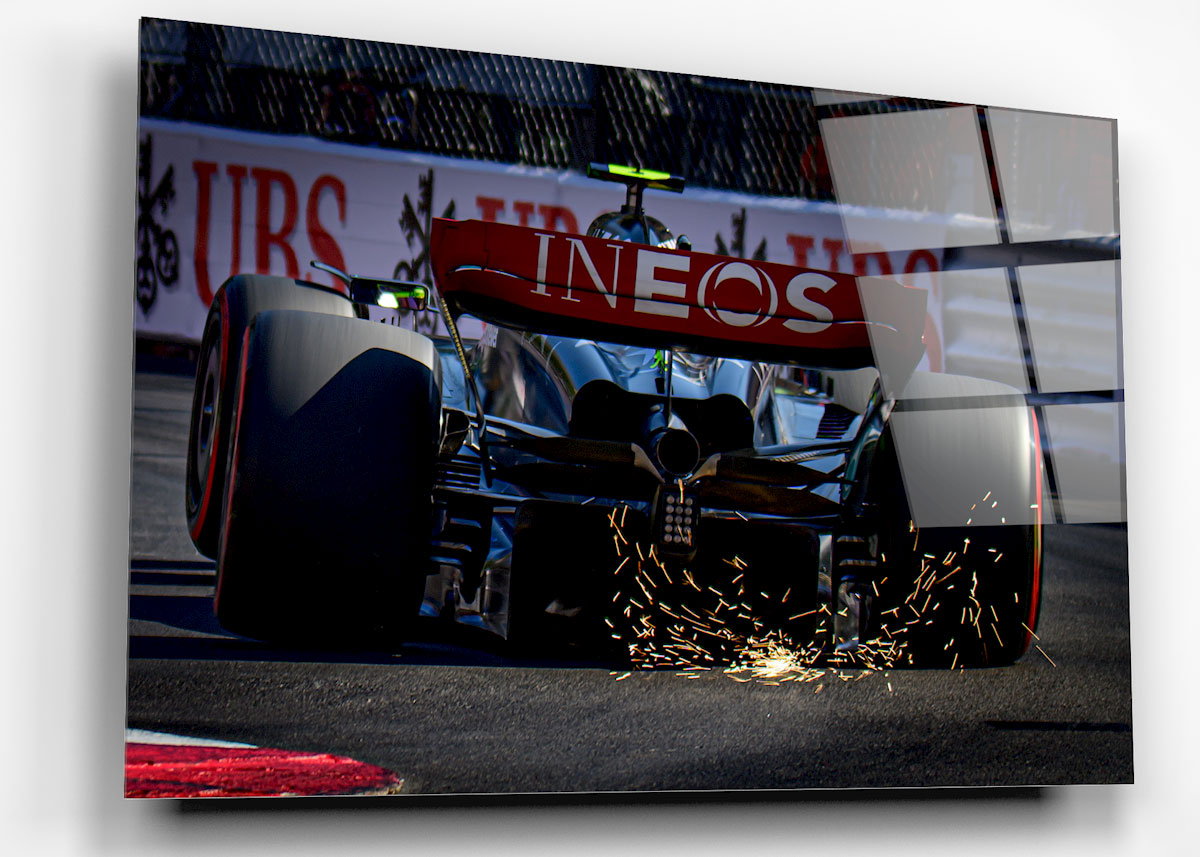 These contrasting styles between Vettel, Leclerc, and Hamilton highlight the diversity of driving philosophies at the pinnacle of motorsport. Yet, Vettel’s secret lies in his ability to perfectly blend those traits delivering an aggressive yet controlled lap through this critical section.
Technical Mastery: The Role of Vehicle Setup and Data Analysis
Of course, Vettel’s Monaco qualifying prowess wasn t just about raw talent and courage. Behind the scenes, data analysts and engineers worked tirelessly to optimize every microscopic detail of the car s behavior through the swimming Pool chicane. Telemetry allowed Vettel to understand the ideal braking points, throttle application, and steering angles needed to maximize speed without compromising safety.
Adjustments to the car s downforce levels were essential; too little, and stability suffered, too much, and the car was slowed through the high-speed sections before the chicane. Tire management played another decisive role ensuring the tires were at the perfect temperature and condition to maintain grip during the corner s critical pitch and turn moments.
Vettel’s technical understanding, combined with his feedback to engineers, shaped a car configuration that was perfectly suited to the challenge of Monaco s narrow streets. This collaboration was at the heart of the secret to his success, turning raw athleticism into repeatable qualifying excellence.
Psychological Edge: Mental Focus at Monaco
Finally, mastering the Monaco Swimming Pool chicane demands more than just physical skill and machine optimization it requires an extraordinary psychological edge. Vettel’s mental focus was legendary during qualifying sessions. The intense pressure to not make even the smallest mistake in Monaco s unforgiving confines often causes drivers to falter.
Vettel’s approach involved visualization techniques and intense concentration, allowing him to simulate perfect lap scenarios in his mind. This preparation reduced hesitation and maximized confidence, enabling him to attack the swimming Pool chicane with a level of calm aggression that few could match.
His ability to stay composed, trust his setup, and trust his instincts turned the chicane from a risky gamble into a vital time-gaining opportunity reinforcing why Monaco qualifying was often a stage where Vettel’shone brightest.
Conclusion
The swimming Pool chicane at Monaco is more than just a corner; it’s a microcosm of the challenges and exhilaration that define the Monaco Grand Prix. Sebastian Vettel’s qualifying secret lies in his harmonious blend of aggression, precision, technical insight, and mental fortitude all distilled into his approach to tackling this demanding section of the circuit.
From understanding the unique demands of the chicane, tailoring his car setup with the help of data-driven engineering, to maintaining razor-sharp mental focus, Vettel unlocked a pathway to success that many others only dream of. His example invites us to appreciate how the most challenging corners in motorsport aren t just about speed they are about mastery, courage, and the relentless pursuit of perfection.


// Discussion