In the world of Formula 1, certain circuits hold a special place in the hearts of drivers and fans alike. Suzuka, the challenging Japanese Grand Prix venue, is one such track where legends are born and history is written. Among the many drivers who have excelled here, Sebastian Vettel’stands out with his remarkable record of six podium finishes. This article delves into Vettel’s success at Suzuka, analyzing the factors behind his consistent performances and pondering why fans remain so fascinated by his achievements on this iconic race track.
Vettel’s Journey to Suzuka Success
Sebastian Vettel’s association with Suzuka began early in his Formula 1 career, with the track becoming a place of triumph and near misses over the years. Known for its complex figure-eight layout, fast corners, and demanding technical sections, Suzuka tests every facet of a driver s skill and a car s performance. Vettel’s ability to consistently mount the podium here achieving six podium finishes demonstrates remarkable adaptability and mastery of this challenging environment.
Each Suzuka weekend provided Vettel with a platform to showcase his precision driving and strategic acumen. Early in his career, it was at Suzuka that Vettel clinched his first World Championship in 2010, a victory laden with emotion and significance. This milestone cemented his bond with the circuit and marked the start of a series of appearances on the iconic Japanese podium.
The Technical Demands of Suzuka and Vettel’s Strengths
Suzuka s layout is arguably one of the most technically demanding on the Formula 1 calendar. With a mix of high-speed corners like 130R and the fast S curves, it requires drivers to maintain impeccable rhythm and balance from start to finish. Vettel’s natural driving style smooth yet aggressive when necessary complexly aligned with these track demands.
Furthermore, Suzuka s unpredictable weather conditions and abrasive track surface add layers of complexity. Vettel’s experience, combined with his team s strategic prowess, often gave him an edge during tricky tire choices and changing weather scenarios pivotal moments that frequently separate winners from the rest. His calculated approach to risk allowed him to capitalize on other drivers errors or misjudgments, frequently converting potential setbacks into podium finishes.
Memorable Podiums and Defining Moments
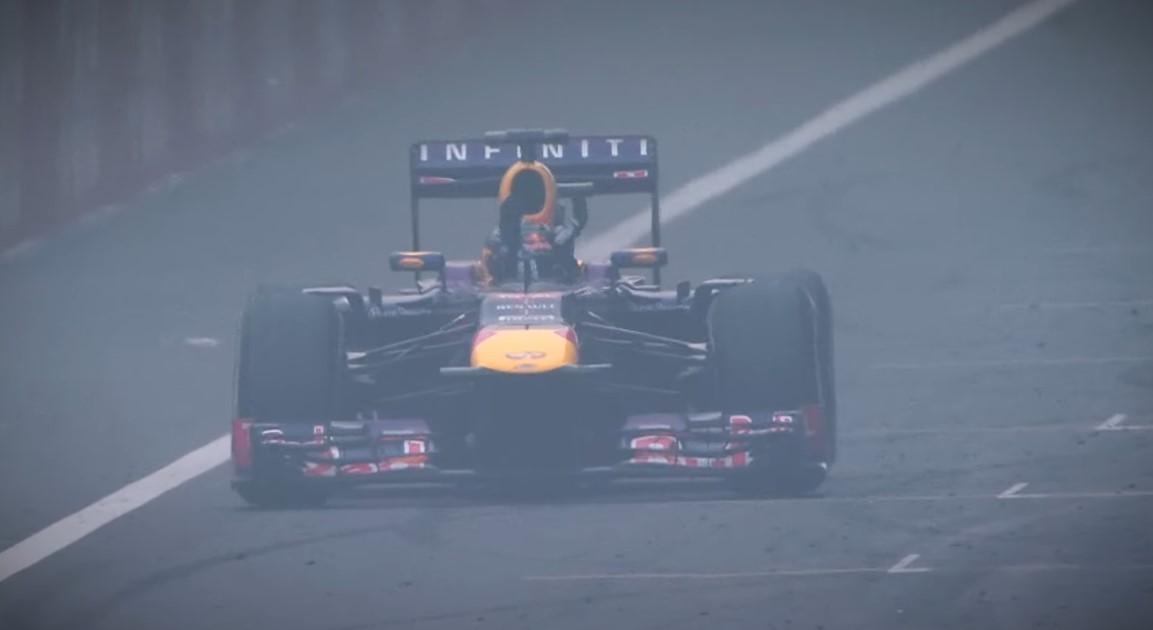
Among Vettel’s six podiums at Suzuka, several stand out for their drama and significance. The 2010 Japanese Grand Prix remains the most iconic; securing his first World Championship title on home soil for his team, Red Bull Racing. The emotional weight of this victory, combined with Vettel’s dominant performance throughout the weekend, elevated his status in the sport and endeared him to fans worldwide.
Aside from the championship-winning race, Vettel’s other podiums at Suzuka reveal resilience and a relentless competitive spirit. Whether battling wheel-to-wheel or managing tire degradation, his ability to maintain focus under pressure was unmistakable. These finishes not only added to his tally but also reinforced the idea that Suzuka was a circuit where he could frequently expect to deliver top-tier performances.
 Why Fans are Fascinated by Vettel’s Suzuka Record
Fans and analysts alike often wonder why certain drivers resonate so strongly with particular tracks. Vettel’s Suzuka record is a prime example. Part of the fascination springs from the circuit’s own history and prestige; Suzuka is a place that has hosted many championship-deciding races and has a reputation for demanding the utmost skill and courage.
Vettel’s performances here reflect a combination of technical excellence, mental strength, and racecraft that many aspire to but few consistently achieve. Observers often highlight how He’seems to elevate his driving at Suzuka, mastering the delicate balance between aggression and discipline. This creates a narrative that Vettel not only races at Suzuka but understands and respects its unique character.
Additionally, Suzuka s passionate Japanese fans add to the atmosphere and emotional gravity of Vettel’s podium finishes, making each success feel like a shared celebration. His relationship with the circuit became symbolic of his racing philosophy blending youthful energy with strategic maturity, and that’s part of the enduring allure.
The Broader Legacy of Vettel’s Suzuka Podiums
Looking beyond individual races, Vettel’s six podiums at Suzuka contribute to his legacy as one of the sport s great talents. In a career filled with highs and lows, Suzuka was a stage where he repeatedly demonstrated his qualities at their best: speed, consistency, and a profound understanding of race dynamics.
This legacy also underscores the importance of driver-track affinity in Formula 1. It reminds us that while top machinery and engineering are crucial, the connection a driver forges with certain circuits can become a defining element of their career. For Vettel, Suzuka became more than a race; it became a benchmark of greatness.
Conclusion
Sebastian Vettel’s six podium finishes at Suzuka paint a portrait of a driver who not only mastered a technically demanding circuit but also embraced the emotional and strategic challenges it presented. Suzuka s legendary status combined with Vettel’s unique skill set and racecraft created a compelling narrative, one that continues to captivate fans and enrich the lore of Formula 1 racing. As the sport advances and new talents emerge, Vettel’s Suzuka record remains a testament to the enduring power of precision, perseverance, and passion on one of racing s most iconic stages.

// Discussion