
Ever wondered what secrets a seasoned Formula 1 driver like Sebastian Vettel uncovers when he takes a walk around one of the sport s most iconic circuits? The suzuka track in Japan is not just a racetrack; it’s a puzzle crafted with precision, twists, and challenges that can baffle even the best. Join us as we delve into Vettel’s unique insights from his track walk at Suzuka revealing the hidden nuances and subtle details that set apart veterans from rookies. Could you spot what Vettel’sees? Or is Suzuka s design an enigma that only true masters can decode?
The Mystique of Suzuka: More Than Just Corners
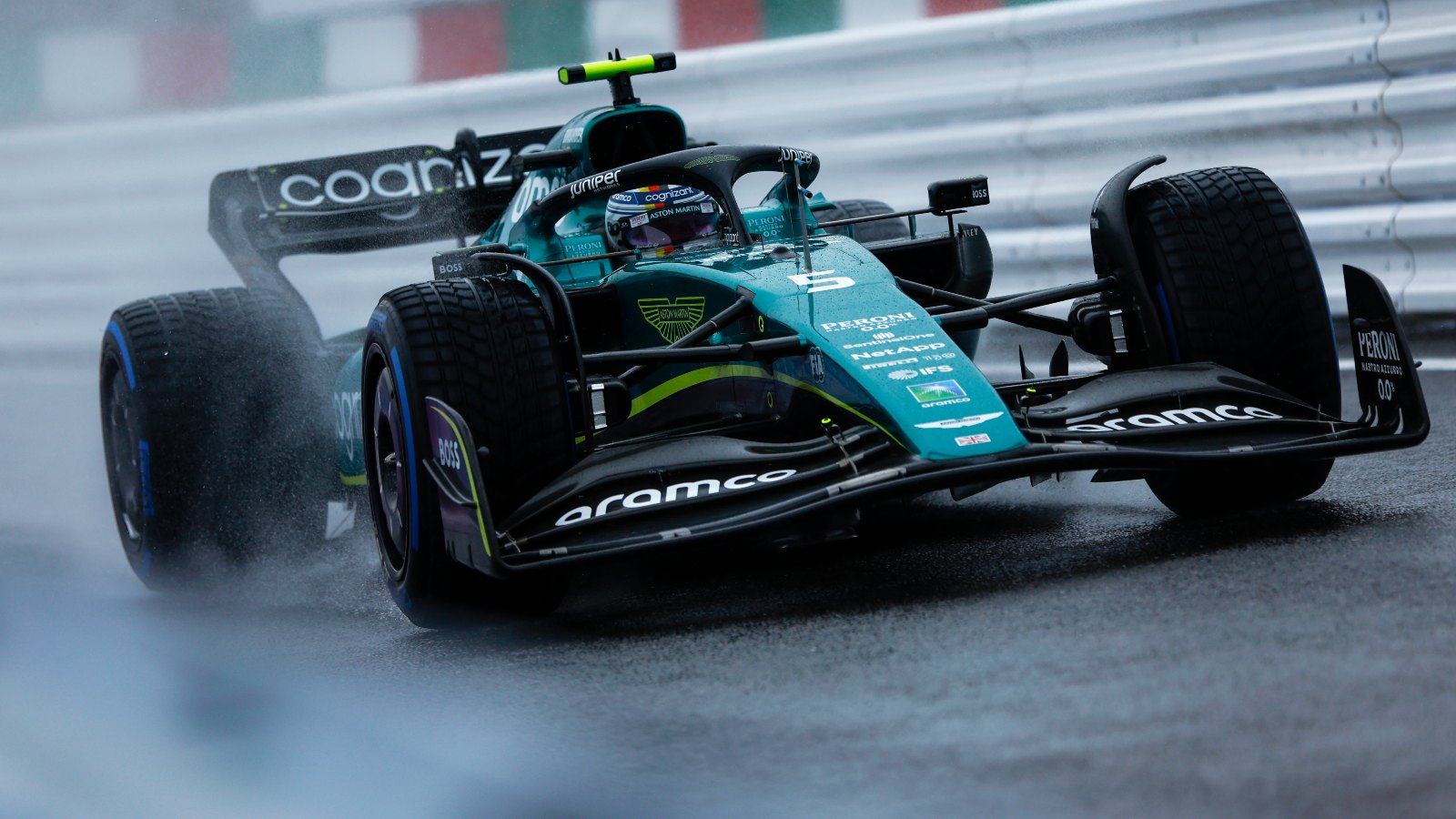
Suzuka Circuit is famous for its demanding layout and flowing characteristics unlike many other tracks on the Formula 1 calendar. Sebastian Vettel, having raced here multiple times, often remarks that Suzuka must have been designed by the Devil due to its intentional complexity and unforgiving nature. This almost mythical status comes from the circuit’s unique figure-eight layout, which combines high-speed straights, fast corners, and technical sections that challenge even the most skilled drivers.
During his track walk, Vettel closely observes every twist and turn, feeling the contours and imagining the rhythm of lap after lap. it’s not just a walk it’s a reconnaissance mission aimed at building an intimate mental map of the track s personality. Each curb, elevation change, and corner apex holds data that a driver must absorb to extract maximum performance.
 Secrets Hidden in the Track s Design
Suzuka s design may initially appear straightforward left, right, acceleration zones but Vettel’s experience reveals far more. The seemingly benign Esses, for instance, disguise their true challenge. Vettel points out that the trick to mastering these high-speed S-curves is more than just physical skill; it is about anticipation and subtle car adjustments. What might look like a simple snaking section on TV demands perfect throttle control and minimal steering input to maintain momentum.
Another nuance Vettel highlights is the tricky braking zones before critical corners like 130R and the chicane. These are spots where the driver s instinct must mesh with tactile feedback from the car and track surface, allowing them to identify the exact moment to brake hard without losing time or compromising tire wear. In his track walk, Vettel is seen studying not just the lines but also track surface changes and tire marks left by previous cars silent clues informing him how other drivers have attacked the circuit.
Evaluating Elevation and Its Impact
While many tracks are predominantly flat, Suzuka s elevation changes add a dynamic layer of technicality. Vettel’s track walk makes it clear that these slopes are more than aesthetic they influence braking zones and weight distribution significantly. Approaching certain corners uphill means the car slows naturally, allowing later braking, whereas downhill sections can catch drivers off guard if misjudged.
For example, the rapid descent into the famous 130R corner requires a delicate balance between aggression and caution. Vettel’s experience shows how the elevation drop affects his entry speed and line, making Suzuka a continuously evolving challenge that demands adaptability. This kind of insight can only be harvested through a mix of walking the track, scrutinizing telemetry data, and drawing on past racing knowledge.
The Psychological Game: Preparing the Mind as Much as the Body
Vettel’s Suzuka track walk stretches beyond physical measurements; it’s a mental preparation ritual as well. By walking the track, he reduces the unknowns, enabling his mind to visualize every section and build confidence in his race plan. This mental rehearsal improves reaction times and decision-making when the race pressure peaks.
it’s intriguing how Vettel’s observations also underscore the psychological toughness needed to handle Suzuka. The circuit’s relentless demand on focus and precision means a mental lapse can result in costly mistakes, from losing lap time to risking crashes. Walking the track is Vettel’s way of staying ahead of these pitfalls each step taken in the quiet helps lock in a clear mental image of the race conditions.
A Glimpse into Vettel’s Competitive Edge
What truly differentiates Vettel and drivers of his caliber is their ability to extract subtle yet critical information from something as straightforward as a track walk. This practice might appear quaint or old-fashioned in the age of simulator technology, but it remains a crucial element in Vettel’s overall preparation. By combining physical presence on the track with data analysis, Vettel’stands prepared to tackle Suzuka s formidable layout confidently.
His observations, though often understated, provide a competitive edge that modern racing demands. Understanding the track s secrets the optimal lines, grip levels, strategic overtaking spots, and nuances in elevation allows Vettel to plan his attack meticulously and adapt quickly during the race, ultimately translating into faster lap times and better race results.
Conclusion
Sebastian Vettel’s Suzuka track walk unveils layers of complexity hidden beneath the track s iconic reputation. It is a masterclass in the delicate balance between technical know-how, mental fortitude, and experiential insight. Suzuka is not merely a circuit; it is a living entity with secrets that reveal themselves only to those willing to immerse themselves fully into its intricacies. Could you walk in Vettel’s shoes and decode these challenges? Or will Suzuka keep its mysteries, rewarding only those with the skill, courage, and curiosity to discover them?


// Discussion