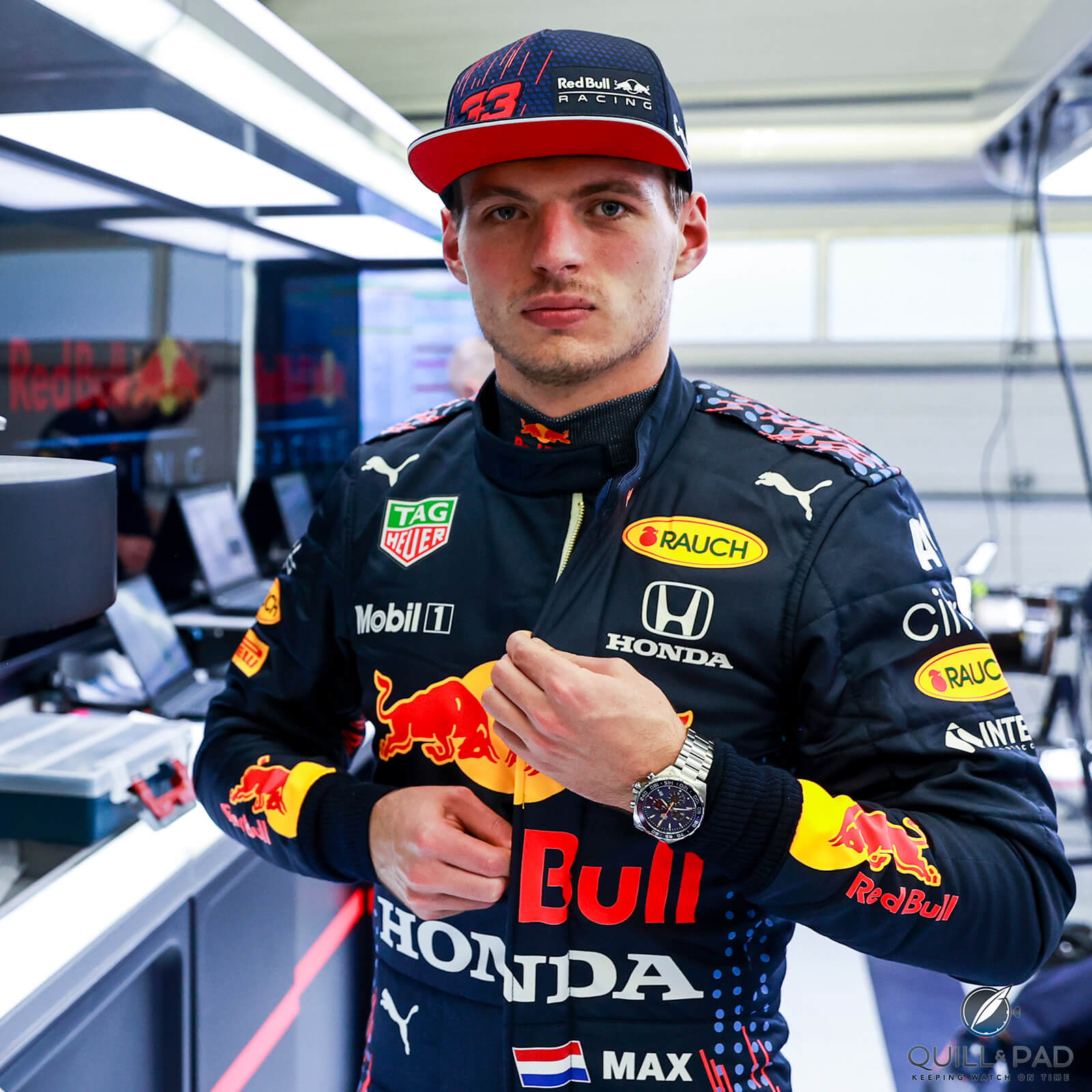
In the fast-paced world of Formula 1, rivalries often capture the imaginations of fans, but occasionally, unexpected warnings and insights come from those within the sport, shifting the narrative in surprising ways. One such moment has emerged with Sebastian Vettel, a four-time World Champion, issuing a poignant message to Max Verstappen, the current dominant force on the grid. “Watch Out for Green” is more than just a metaphor; it hints at a forthcoming transformation on the horizon for the 2026 season that could turn the tables in unprecedented ways. This article uncovers the layers of this warning, explores its implications, and delves into how it might reshape the future of F1 competition.
Vettel’s Caution: What Does “Watch Out for Green” Mean?
When Sebastian Vettel warns Max Verstappen to “watch out for green,” the phrase is loaded with significance, particularly considering the increasing focus on sustainability in Formula 1. The color green symbolizes a shift toward environmental consciousness and a commitment to integrating eco-friendly technologies into the sport. From biofuels to electric hybrid systems and sustainable materials, the 2026 season is poised to introduce regulatory changes that could greatly influence car performance and team strategies.
Vettel’s insight comes at a critical juncture when the sport is embracing more aggressive environmental initiatives. This “green wave” is not just about appearances but also about substantial technological transformations. For a driver like Verstappen, who currently dominates with a combination of raw talent and a meticulously engineered car, adapting to this shift could require a recalibration of mindset and skill.
The 2026 Regulatory Overhaul: A New Era in Formula 1
One of the most talked-about topics for the upcoming 2026 season is the comprehensive overhaul in technical regulations. These changes are designed to emphasize sustainability, cost-effectiveness, and close racing, making the competition more thrilling while also taking responsibility for environmental impact.
Under these new rules, power units will become greener, featuring more sophisticated hybrid systems and increased reliance on sustainable fuels. The teams will experiment with novel aerodynamic designs constrained by new regulations aimed at reducing drag and increasing efficiency. This overhaul doesn’t just concern engineering it will redefine race strategy, tire management, and driver resilience.
For Max Verstappen, this means his path to victory may encounter new obstacles and challenges. Success will depend not only on his driving prowess but also on his ability to adapt to these green technologies while leveraging innovative team strategies.
Vettel’s Perspective: Experience Meets Foresight
Sebastian Vettel’s comments carry weight not just because of his championship pedigree but due to his growing advocacy for environmental issues within motorsport. Vettel has increasingly become a vocal proponent of sustainability and has encouraged the sport to embrace its responsibility to reduce its ecological footprint.
His warning to Verstappen serves as a reminder that the upcoming season could usher in new rivalries defined by who excels not just in speed but in embracing green innovation. For Vettel, the green wave represents an opportunity to redefine competition standards rather than a threat. His words may be interpreted as a call to respect the evolving nature of Formula 1 and an indication that emerging talents and teams well-versed in these green technologies will become formidable competitors.
Implications for Max Verstappen and Red Bull Racing
Verstappen s success has been built on precision, aggression, and a car that has been finely tuned to extract maximum performance within the current regulatory structure. The transition to 2026 regulations, especially with a new emphasis on sustainability, poses questions about how well Red Bull Racing will adapt compared to other teams.
Red Bull has always been recognized for its engineering excellence and innovative approaches, but the green regulations demand an even deeper integration of environmental technologies that might shake up the established hierarchy. Verstappen, known for his adaptability and fierce competitiveness, could well refine his skills to master these changes. However, Vettel’s caution suggests that complacency is not an option.
Teams like Mercedes and Ferrari, alongside emerging competitors, are already signaling their intent to leverage the 2026 technical shift. Verstappen’s ability to “watch out for green” might become a metaphor for staying vigilant not just on the track but also in the paddock wars and technological races behind the scenes.
Max Verstappen Beyond the Track: A Growing Interest in Watches
Away from the roar of engines, Verstappen has cultivated interests that reflect precision and craftsmanship, much like his racing style. One intriguing side of Verstappen captures his affinity for watches, particularly high-end and unique pieces that stand out for their design and engineering.
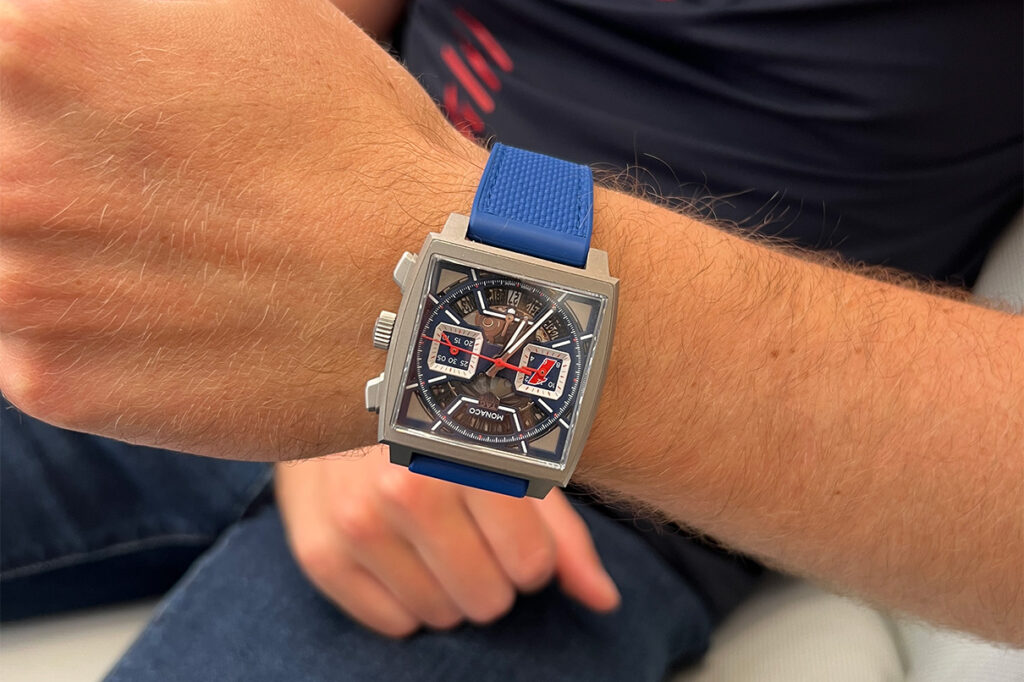 His connection to luxury timepieces is more than a hobby it’s an extension of his personality. Watches like the limited edition Tag Heuer Monaco, which he has been seen sporting, symbolize the melding of tradition with cutting-edge technology. This juxtaposition mirrors the F1 world s movement toward blending classic racing spirit with futuristic green innovation.
Looking Ahead: What Fans Can Expect in 2026
The 2026 Formula 1 season promises to be a turning point. Fans can anticipate a spectacle that balances acceleration and deceleration an exhilarating mix of racing excitement and the thoughtful impact of green technologies. Drivers will need to demonstrate not only speed but an acute understanding of new energy dynamics and resource management on and off the track.
Vettel’s advisory is a hint that the sport s elite should prepare for a formidable new chapter. Max Verstappen, the current favorite, will face new rivals equipped with eco-friendly machines capable of challenging for supremacy in unexpected ways. The level playing field created by the regulatory changes ensures unpredictability, making every race day a high-stakes drama.
Conclusion
Sebastian Vettel’s warning to Max Verstappen to “watch out for green” is more than a simple caution it encapsulates the evolving identity of Formula 1 as it gears up for profound technical and environmental transformations in 2026. This message signals a shift that could redefine competition, challenge current champions, and elevate new talents in an era where sustainability is paramount.
As the sport embraces greener technologies, the landscape of racing will be shaped not only by horsepower and skill but also by how well teams and drivers incorporate eco-conscious innovations. For Verstappen, absorbing this warning and responding to it could determine whether he continues to dominate or becomes a pivotal figure in a new kind of racing narrative.
Ultimately, this transformation promises an exciting convergence of tradition, technology, and environmental stewardship a thrilling prospect for the future of Formula 1 and its global fans.

// Discussion