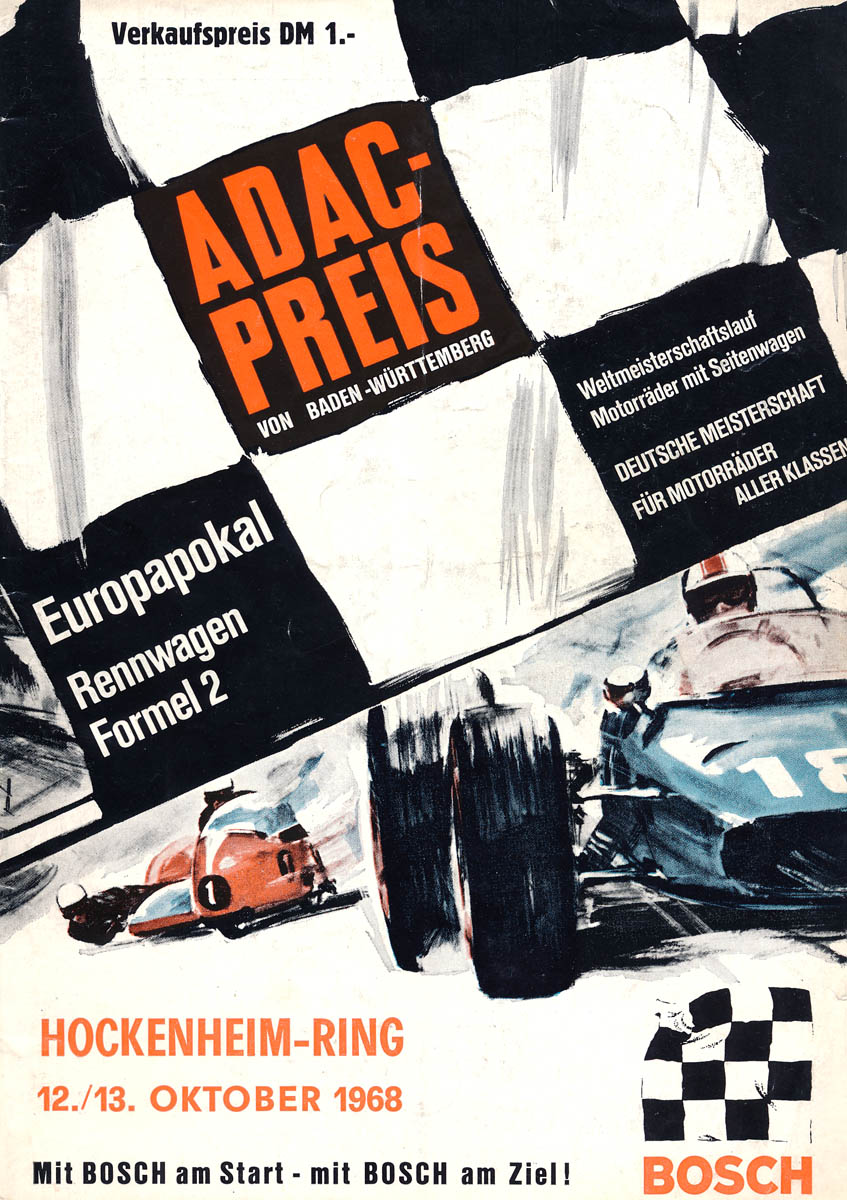
In the unpredictable world of Formula 1, wet weather races have always added an extra layer of intrigue and challenge. One remarkable instance that continues to captivate fans and analysts alike is Sebastian Vettel’s remarkable drive at the 2019 Hockenheim Grand Prix, where He’surged from 20th on the grid to finish an incredible 2nd place. This article delves into the brilliance behind Vettel’s wet weather performance, exploring the skills, decisions, and subtleties that make such feats so endlessly fascinating in the sport.
The Challenge of Wet Weather Racing in Formula 1
Wet weather conditions in Formula 1 transform the race dynamics entirely. The rain introduces variables such as reduced grip, constantly changing track conditions, and the increased likelihood of accidents or safety car deployments. Driving on a wet track demands not just raw speed but exceptional car control, strategic acumen, and mental resilience.
Many fans regard wet races as the ultimate test of driver ability, a time when mechanical advantages are somewhat equalized and driver skill comes to the forefront. Yet, the fascination goes beyond just seeing drivers slip and slide it’s about how some individuals navigate the chaos with an almost uncanny precision and courage, turning adversity into opportunity. Sebastian Vettel’s drive at Hockenheim 2019 perfectly encapsulates this dramatic aspect of the sport.
Starting from 20th: The Perfect Storm
Vettel’s predicament before the race was daunting a 20th place starting position stemming from a disappointing qualifying session marred by poor balance and challenging track conditions. Anyone would expect a midfield driver battling through the pack without much chance of a podium. But Hockenheim 2019 was not an ordinary race.
As raindrops began to fall ahead of the race, the weather forecast became a pivotal factor. Vettel’s team made bold strategic calls, opting for intermediate tires at the right moments and perfectly timing pit stops. Yet, strategy alone only tells part of the story; the driver s ability to exploit the wet conditions was crucial in realizing this opportunity.
 Masterful Control and Car Management
What sets Vettel’s performance apart in wet races is his masterful throttle modulation, smooth steering inputs, and fearless approach to overtaking on the slippery German circuit. Wet tracks expose every flaw in driving technique; any sudden movement can result in a slip, spin, or costly off-track excursion. Vettel, instead, demonstrated a delicate balance of aggression and finesse.
His experience in variable conditions allowed him to sense grip limits and adapt on the fly. The key to successful wet weather driving is managing tire temperatures and wear while negotiating the ever-shifting grip levels, all while maintaining competitive lap times. Vettel’s ability to conserve his intermediate tires for critical stints gave him a lasting advantage over rivals forced into more frequent pit stops or slower laps due to tire degradation.
Strategic Brilliance and Race Craft
Alongside technical skill lies race craft knowing when and how to pass, read opponents, and capitalize on their mistakes. Vettel’s wet weather genius was also displayed through his audacious but calculated overtakes. Wet races tend to bunch up the field, providing opportunities but also increasing risks. His moves were clinical yet bold, seamlessly blending speed and spatial awareness.
Moreover, Vettel’s tire strategy was aligned perfectly with the unfolding weather patterns. Anticipating shifts from light drizzle to heavier rain, along with safety car interventions, he adjusted his pace and pit sequences dynamically. This harmony between driver feedback and team strategy is often overlooked but is a fundamental cornerstone of wet weather success in modern F1.
The Psychological Edge: Thriving Under Pressure
Wet weather races test not only physical skill but the mental fortitude of a driver. The uncertainty and chaos can disrupt concentration, induce frustration, and increase the likelihood of errors. Vettel’s composure throughout the Hockenheim 2019 race was exemplary. From a demoralizing qualifying to a near-flawless race performance, his resilience and focus allowed him to maintain peak performance in adverse conditions.
Such mental strength does not just emerge spontaneously it’s the result of years of experience, learning to master pressure situations and channeling them positively. Vettel’s history includes multiple wet weather masterclasses, lending him a reputation as one of the drivers most capable of handling rain-soaked racing with aplomb.
 Why the Fascination with Wet Weather Geniuses ?
Every wet race evokes admiration because it represents something primal and pure about racing man against nature, skill over machinery. Drivers like Vettel who can master slippery, unpredictable conditions add a layer of narrative that feeds the sport s enduring drama. Their performances are moments frozen in time where emotion, technique, and instinct combine to create what fans call genius .
It also raises deeper questions about what defines greatness in motorsport. Is it consistency and championships, or flashes of brilliance in extreme situations? Vettel’s climb from 20th to 2nd at Hockenheim hints at both: a champion s heart and the capacity for extraordinary adaptability.
Conclusion
Sebastian Vettel’s wet weather performance at the 2019 Hockenheim Grand Prix remains a vivid illustration of the intense complexity and allure of racing in the rain. His journey from 20th on the grid to a podium finish was a symphony of impeccable car control, strategic foresight, fearless overtaking, and psychological resilience. This race not only highlights Vettel’s individual skill but also reaffirms why wet weather conditions hold a unique place in Formula 1 lore as a stage on which true genius is revealed, much to the fascination and admiration of fans worldwide.


// Discussion