
Have you ever wondered why one of Formula 1’s most talented drivers initially disliked one of the sport’s most revolutionary safety features the Halo? Sebastian Vettel, a four-time World Champion, was not an immediate fan of the device that now sits above every driver s cockpit. This article dives deep into the reasons behind his resistance to the Halo, the challenges it posed, and how, over time, Vettel learned to embrace its necessity and even rely on it for safety. Join us as we explore this fascinating journey of adaptation, skepticism, and eventual acceptance.
What Is the Halo and Why Did it Cause Controversy?
The Halo is a titanium structure mounted above a Formula 1 car s cockpit, designed to protect drivers heads from flying debris, collisions, and various impacts. Since its introduction in the 2018 season, it has been the subject of intense debate within the racing community. For traditionalists and drivers like Sebastian Vettel, it was initially seen as an obstruction, marring the sleek aesthetics of the cars and potentially interfering with their visibility.
Vettel’s Initial Reservations: The safety Innovation That Sparked Doubts
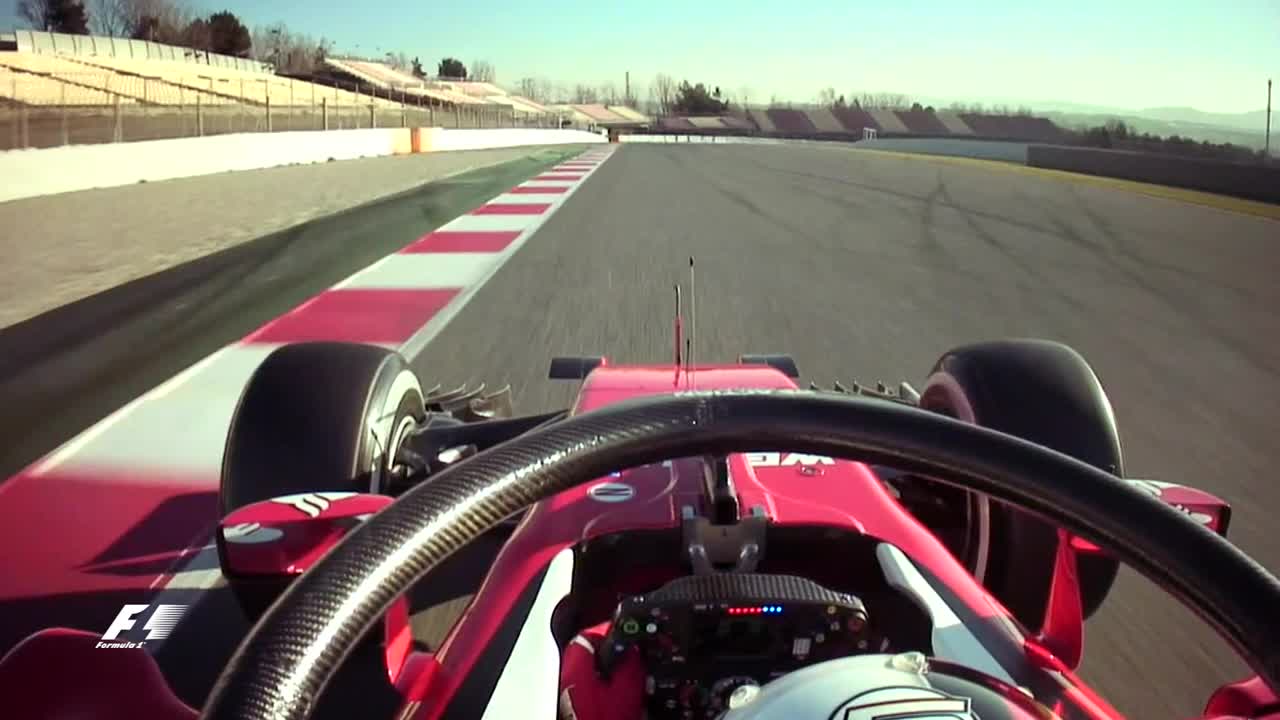
When the Halo was first proposed, Vettel’s concerns were rooted in both practical and psychological factors. On one hand, he worried that the Halo s thick titanium frame could obstruct his field of vision during critical moments on track. In a sport where split-second decisions reign supreme, even a fractionally reduced visibility can mean the difference between victory and disaster.
Moreover, Vettel expressed aesthetic concerns, a sentiment shared by many fans and drivers. The Halo disrupted the clean lines of the F1 cars, giving them a more “bulky” and “industrial” appearance. This initially lowered enthusiasm for the device among purists and those deeply connected with the sport s traditions.
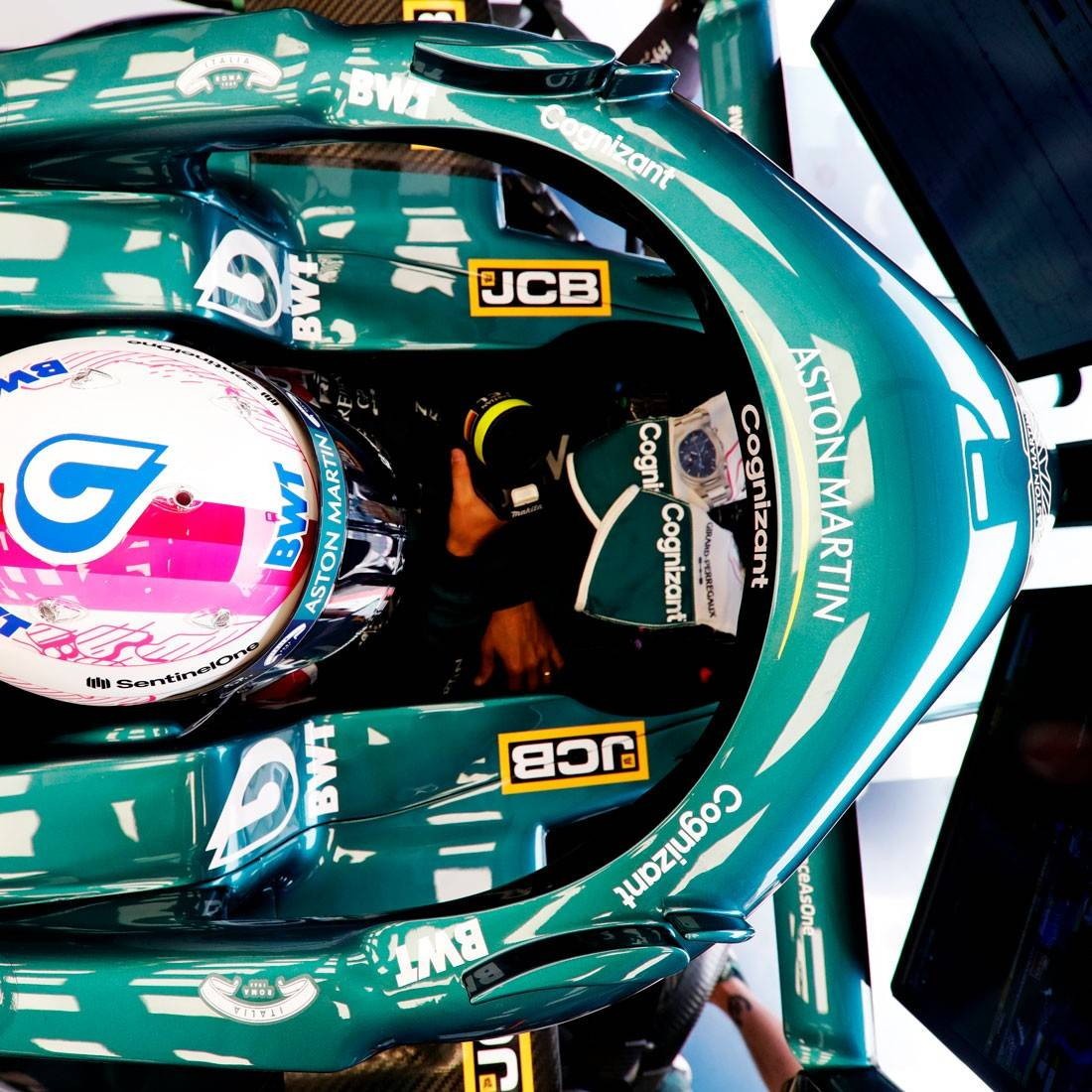 This replica of Vettel’s Halo device showcased how tangible and imposing the structure could be it was no longer just an abstract safety feature but a physical presence that drivers had to reckon with daily.
The Challenge of Adaptation: How Vettel Learned to Use the Halo
As the 2018 season progressed, Vettel and his peers had to rapidly adjust their driving style and mindset to accommodate the new device. Although the initial headspace was challenging, Sebastian realized that the visibility issues were less significant than feared with proper adaptation. Learning to perceive the Halo as part of the car s structure itself helped him recalibrate his spatial awareness.
Beyond the visual adaptation, the psychological challenge was immense. Embracing the Halo required Vettel to trust in the technology that could save him from catastrophic injuries. In a sport defined by speed and danger, learning to rely on safety devices changes the mental framework that drivers operate within. Vettel began to see the Halo not as a nuisance but as a vital shield, a realization that significantly impacted his confidence and approach during races.
The Impact of the Halo on Driver Safety and Performance
Vettel’s evolving relationship with the Halo illustrates a broader truth: safety innovations rarely win unanimous praise at first, but their value becomes undeniable when lives are saved. The Halo has already been credited with protecting drivers in several high-profile incidents, carving out a crucial role in F1 s ongoing safety evolution.
By embracing the Halo, Vettel and other drivers helped demonstrate that performance and safety can coexist. Although some compromises are necessary, drivers have adapted their visuals and driving techniques, reinforcing that safety is not an impediment but an enabler of longevity and career success.
 Conclusion: From Skepticism to Acceptance
Why did Vettel hate the Halo at first, only to become one of its unquestionable supporters? it’s a story that highlights the intersection of tradition, innovation, and human adaptability. Initial fears about visibility and aesthetics gave way to recognition of the Halo s unparalleled safety benefits. Vettel’s journey serves as a reminder that change, even when disruptive, is often essential for progress.
Today, the Halo is an integral part of Formula 1, and Vettel’s experience encapsulates the broader challenge faced by the entire racing community: balancing passion for raw speed with the imperative to protect its heroes. This evolution mirrors the very essence of motor racing a thrilling, high-stakes arena constantly pushed forward by ingenuity and courage.

// Discussion