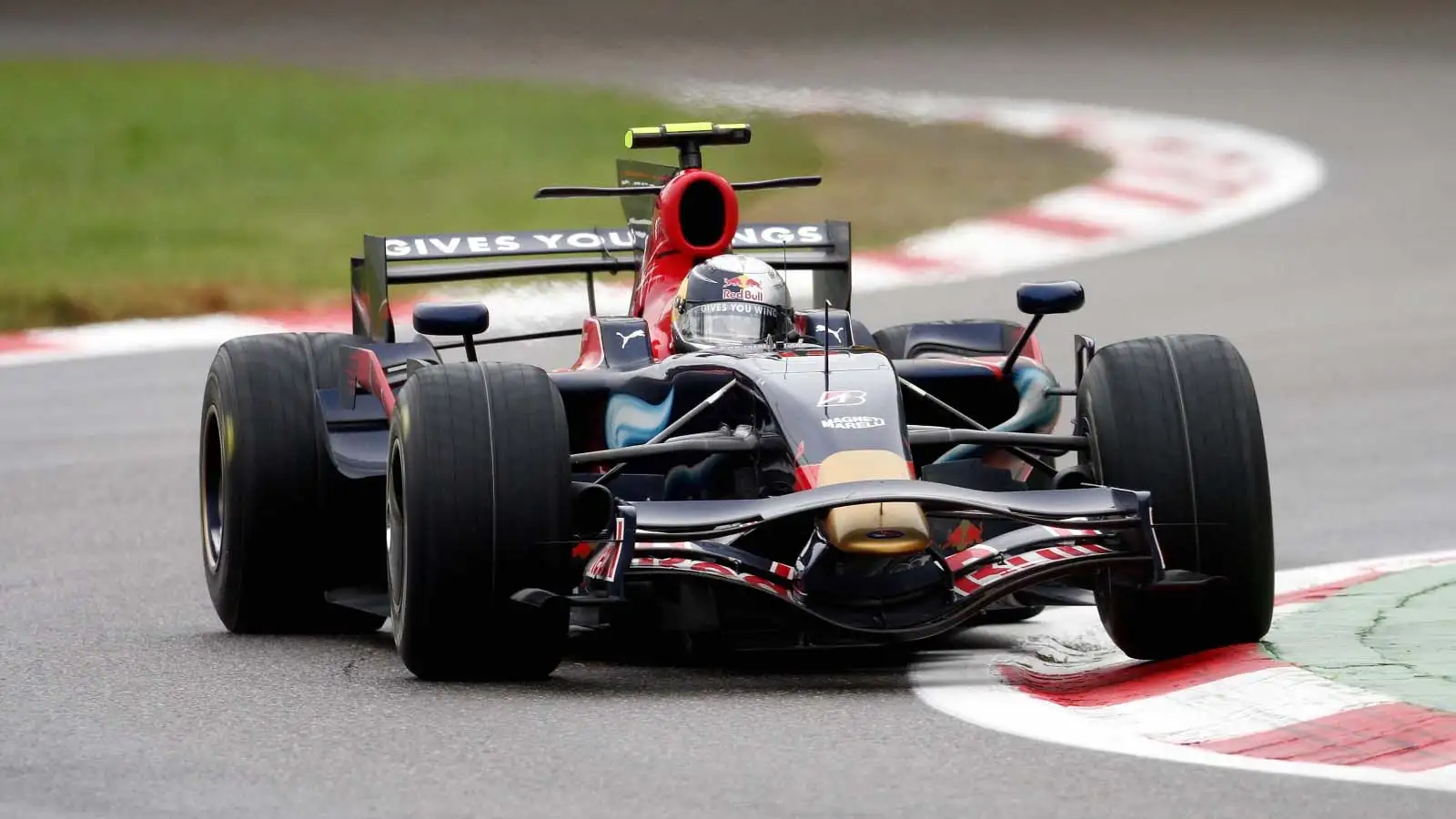
Step into the labyrinth of Formula 1 history, where records blend with miracles and every lap can rewrite legacy. Among these tales stands Sebastian Vettel’s 2008 season with Scuderia Toro Rosso a symphony played against all odds, a comet blazing briefly but luminously in the F1 cosmos. This article delves into why Vettel’s 2008 Toro Rosso points total is considered the biggest anomaly in the sport s history, exploring the unique convergence of talent, machinery, and circumstance that created a moment forever etched in the annals of racing.
The Underdog s Chariot: Toro Rosso s Rising Star
Imagine a modest sailboat riding the tempestuous ocean, navigating waves tossed by colossi on leviathan cruise liners. This metaphor captures Toro Rosso s 2008 season a junior team with limited resources battling heavyweight giants. Toro Rosso, essentially Red Bull Racing s little sibling, was an unassuming entry with a chassis far less developed than the titans of the grid. In this David versus Goliath setup, the machinery was not expected to challenge for points consistently, much less secure race wins.
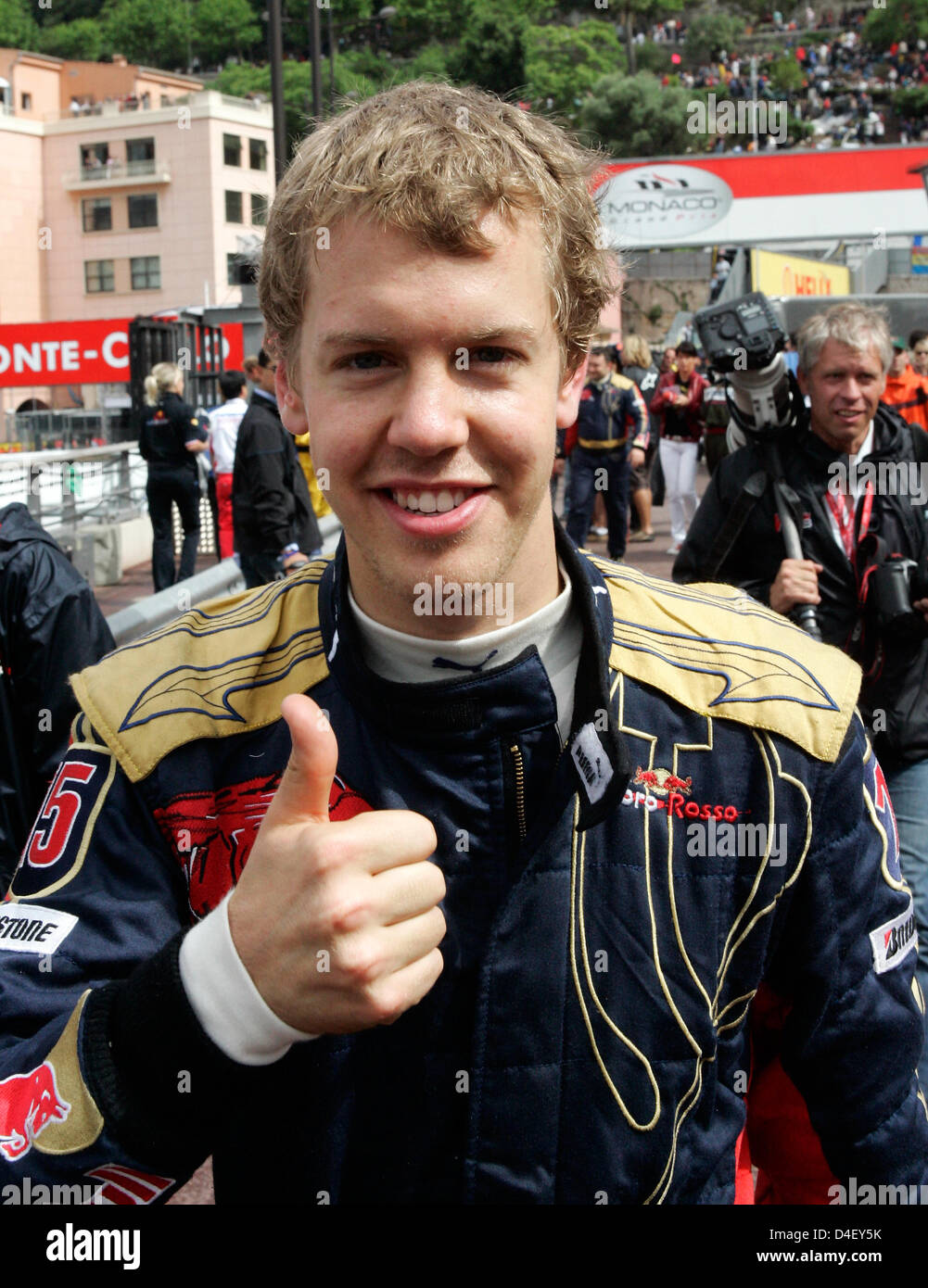
Yet, Sebastian Vettel, then just 21 years old, clambered into this “sailboat” with the skill and tenacity of a seasoned captain. His ability to extract performance from a car that many considered a backmarker challenged the conventional wisdom of Formula 1 s pecking order. Vettel’s 2008 campaign was less about the hardware and more about the spark that jettisoned him beyond expected horizons.
 A Race to Remember: The Italian Monza Miracle
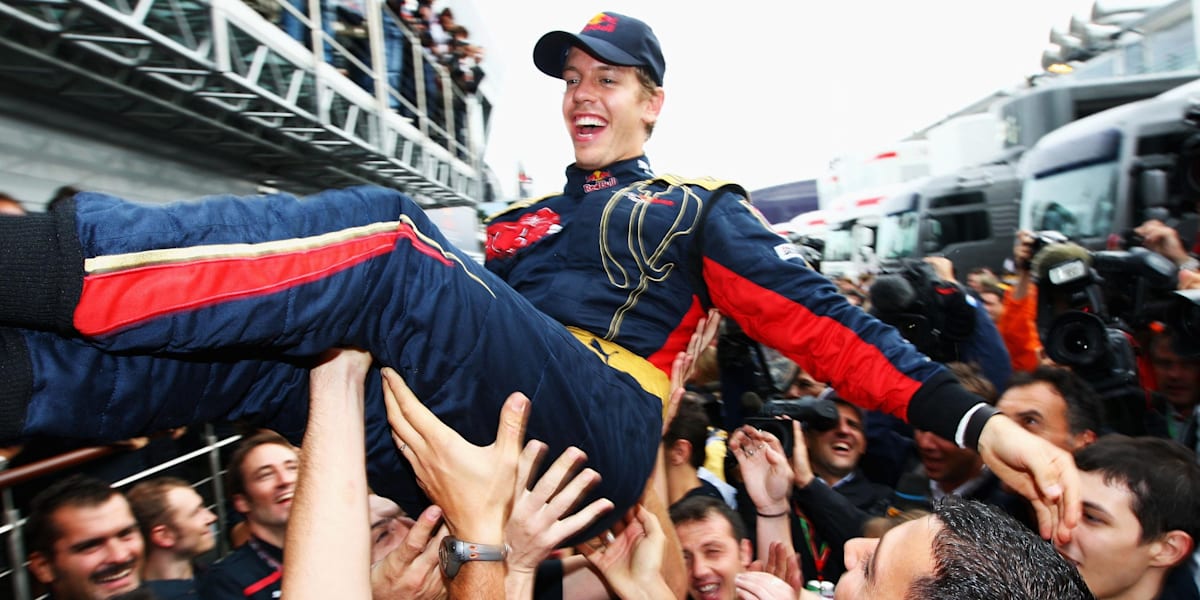
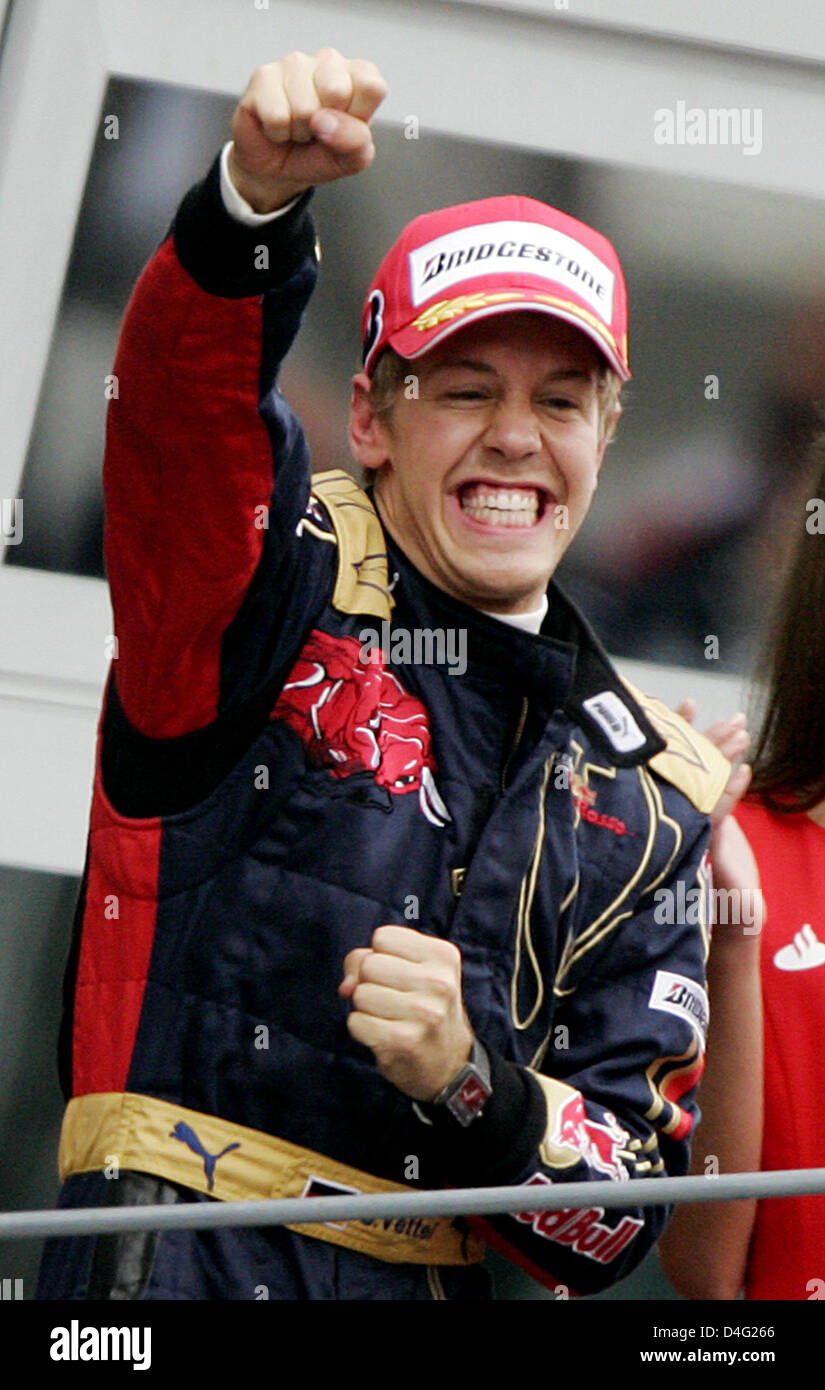
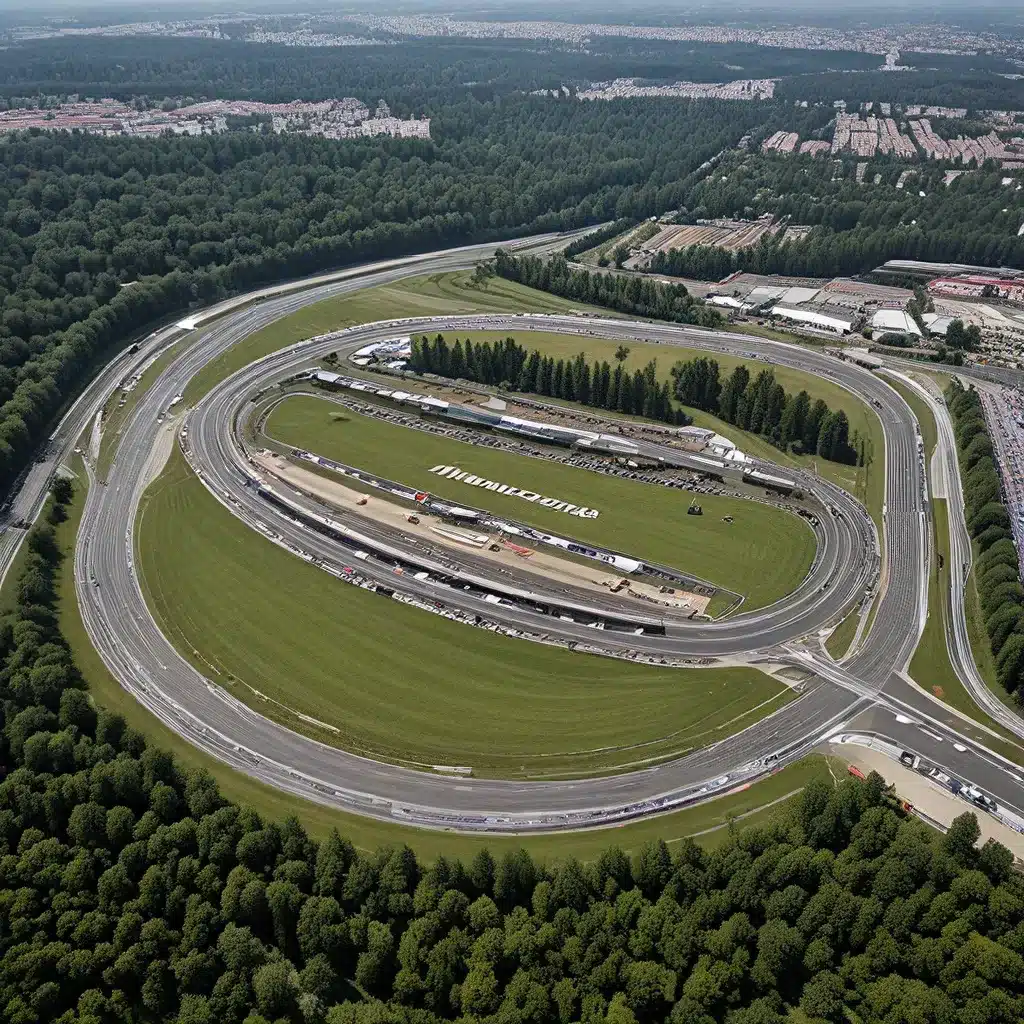
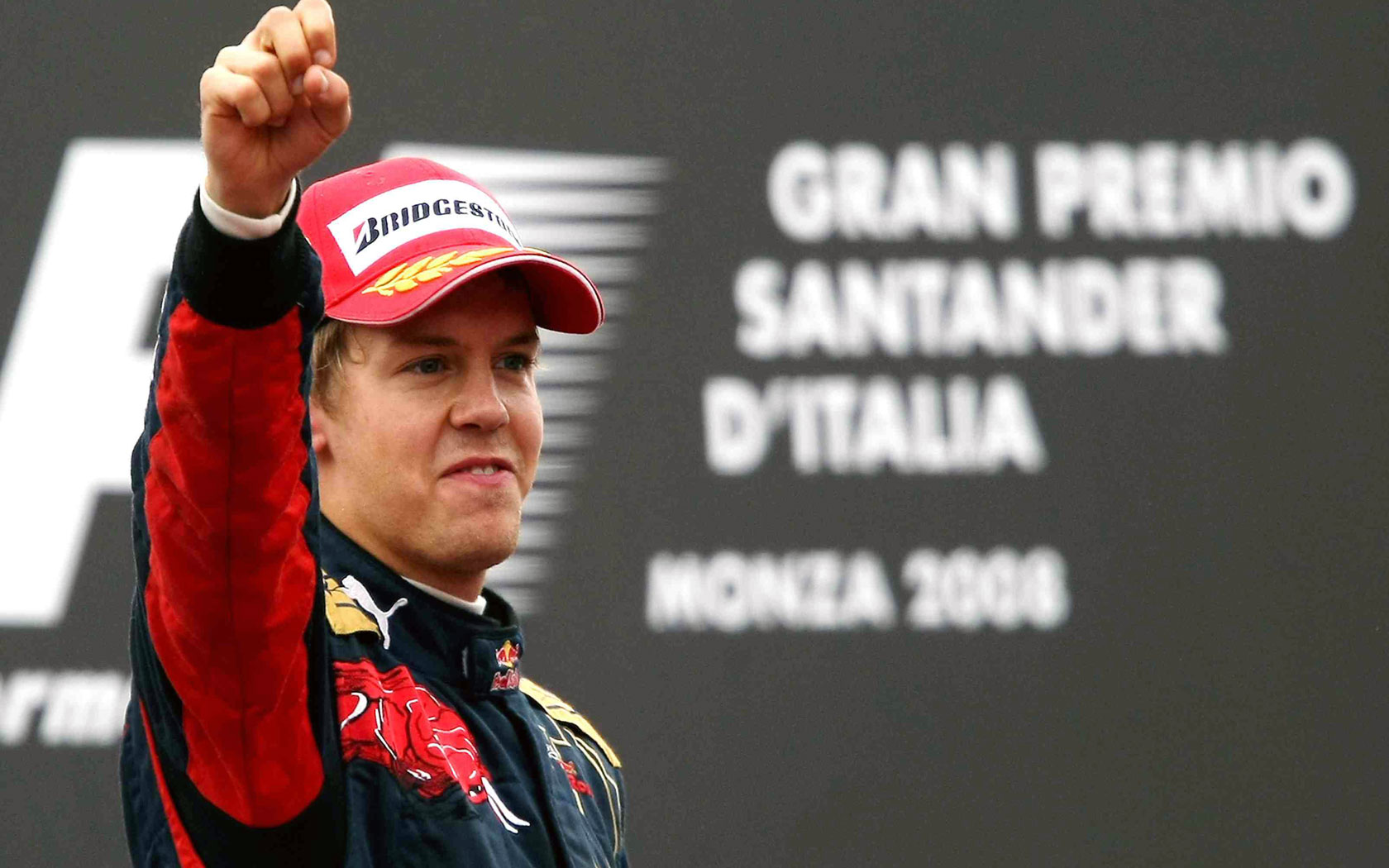
The crescendo of Vettel’s 2008 anomaly was the Italian Grand Prix at Monza a circuit traditionally dominated by powerful engines and experienced squads. Here, Vettel crafted his masterpiece, slicing through the pack in what can only be described as a ballet of precision and daring. In a field filled with world champions and seasoned veterans, the 21-year-old rookie not only scored points but seized victory, an act usually reserved for the sport’s elite.
This win wasn t just a testament to Vettel’s skill, but a seismic shift in Formula 1 s narrative. It was a reminder that on any given Sunday, the script could flip. The image of Vettel raising the trophy at Monza is frozen in time as a beacon of possibility for every young driver in a small team dreaming of greatness.
 Points Beyond the Expected: Numbers That Defy Logic
Vettel ended the 2008 season with 35 points, a tally that sounds modest but resonated like a thunderclap beneath the surface of conventional statistics. For context, Toro Rosso was not seen as a points-paying team that year; scoring even a handful of points was a rare feat. Vettel amassed these points by blending aggressive racecraft with strategic savvy, outperforming many cars twice the budget and experience of his STR3.
This anomaly is more than just about points it’s about disparity. No other driver for a team with Toro Rosso s pedigree had come close to such success, pointing to a perfect storm of youthful audacity and technical reliability. Vettel’s season challenges statistical models and fan expectations, highlighting how human spirit and timing can distort the cold calculus of numbers.
The Butterfly Effect: Long-term Impacts on F1
Beyond the immediate flash of 2008, Vettel’s performance acted as a butterfly s wing flap reverberating throughout F1. It forced senior teams to reconsider the value of talent scouting and development, prompting a wave of investment in nurturing young drivers capable of similarly defying trends. Vettel himself became a blueprint for success born from obscurity, eventually ascending to four world championship titles.
The 2008 season also served to elevate Toro Rosso s standing, reinforcing the idea that even teams outside the Big Three could become contenders under the right conditions. It injected unpredictability back into the sport, a reminder that F1, despite its technological dominance, remains a playground where stories of grit and genius unfold unpredictably.
 Conclusion: A Flicker of Magic in the Turbocharged Era
Sebastian Vettel’s 2008 points haul with Toro Rosso is not just an oddity in the raw data of Formula 1; it is a poetic anomaly that underscores the sport s essence. It reminds us that beyond engine specs and aerodynamic formulas lies the unpredictable heart of racing the human factor. Vettel’s journey that season was like a solitary firefly flashing brilliantly in a night dominated by giant spotlights. It was a chapter where skill, courage, and circumstance collided to craft a narrative that remains unmatched.
More than a statistical outlier, Vettel’s 2008 campaign is a timeless emblem of possibility, inspiring fans and drivers alike to believe that on any track, against all odds, the extraordinary can happen.

// Discussion