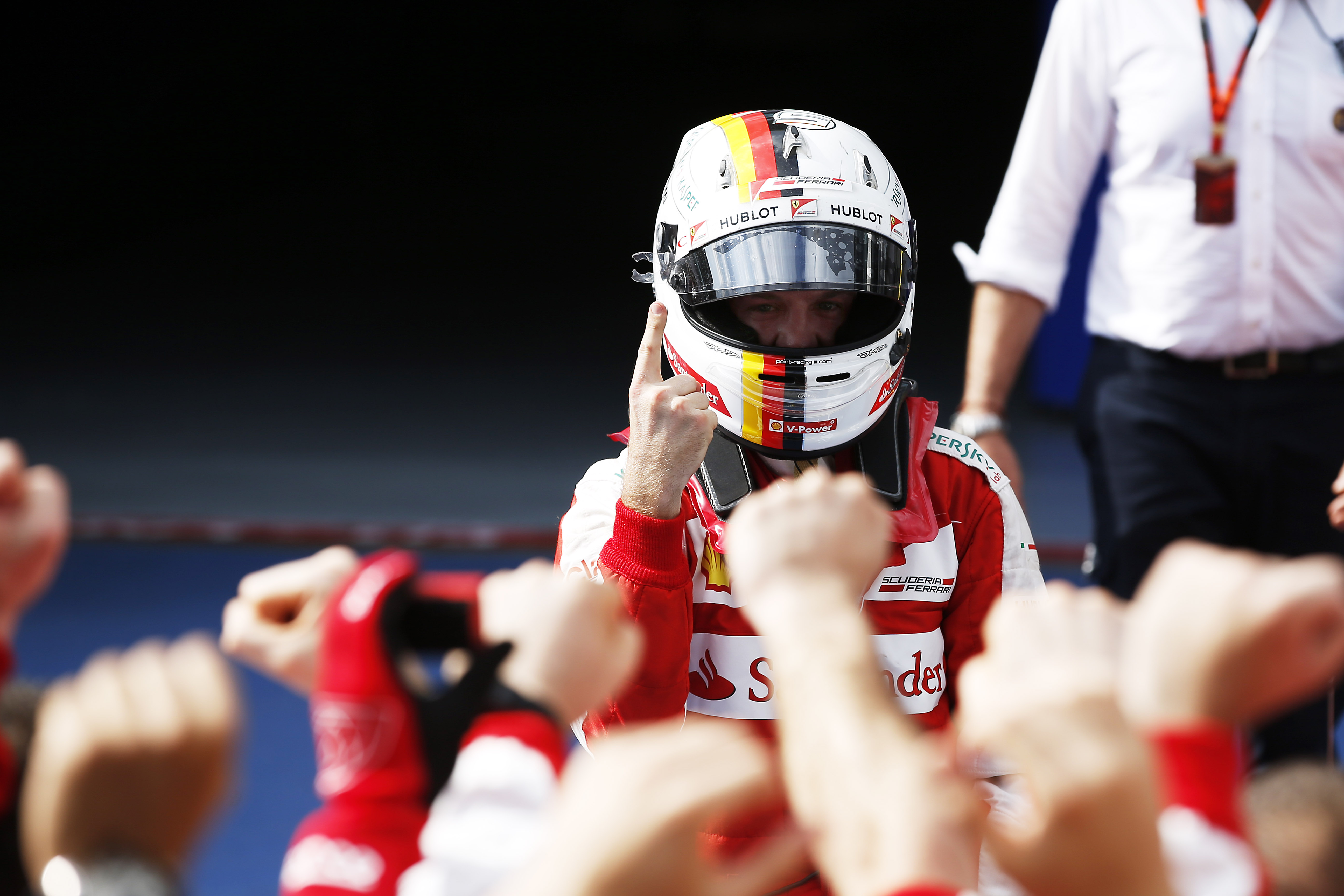
In the fiercely competitive realm of Formula 1, Sebastian Vettel’s 2017 season with Ferrari’stands out as one of the most compelling chapters in recent history. Despite falling short of clinching the championship title that year, Vettel’s performance was nothing short of extraordinary and challenges the popular narrative that his efforts didn’t match the accolades. This article delves into why Vettel’s 2017 stats justify greater recognition and perhaps, a fresh reevaluation of what truly defines a champion in the sport.
Ferrari’s Consistency: The Backbone of Vettel’s 2017 Campaign
When Sebastian Vettel took the wheel for Ferrari in 2017, the expectations were sky high. But what truly differentiated Vettel’s season was his relentless consistency across races, an aspect he himself has emphasized as crucial. Unlike many seasons where drivers might show flashes of brilliance intertwined with mishaps, Vettel managed a season-long display of steady performances that kept him in strong contention throughout.
Ferrari was able to prove many skeptics wrong, transforming from a team struggling to keep pace with Mercedes to a genuine threat at almost every race. Vettel’s ability to extract the maximum from the Ferrari car, lap after lap, was key. This was not just raw speed but tactical intelligence combined with a solid mechanical package. 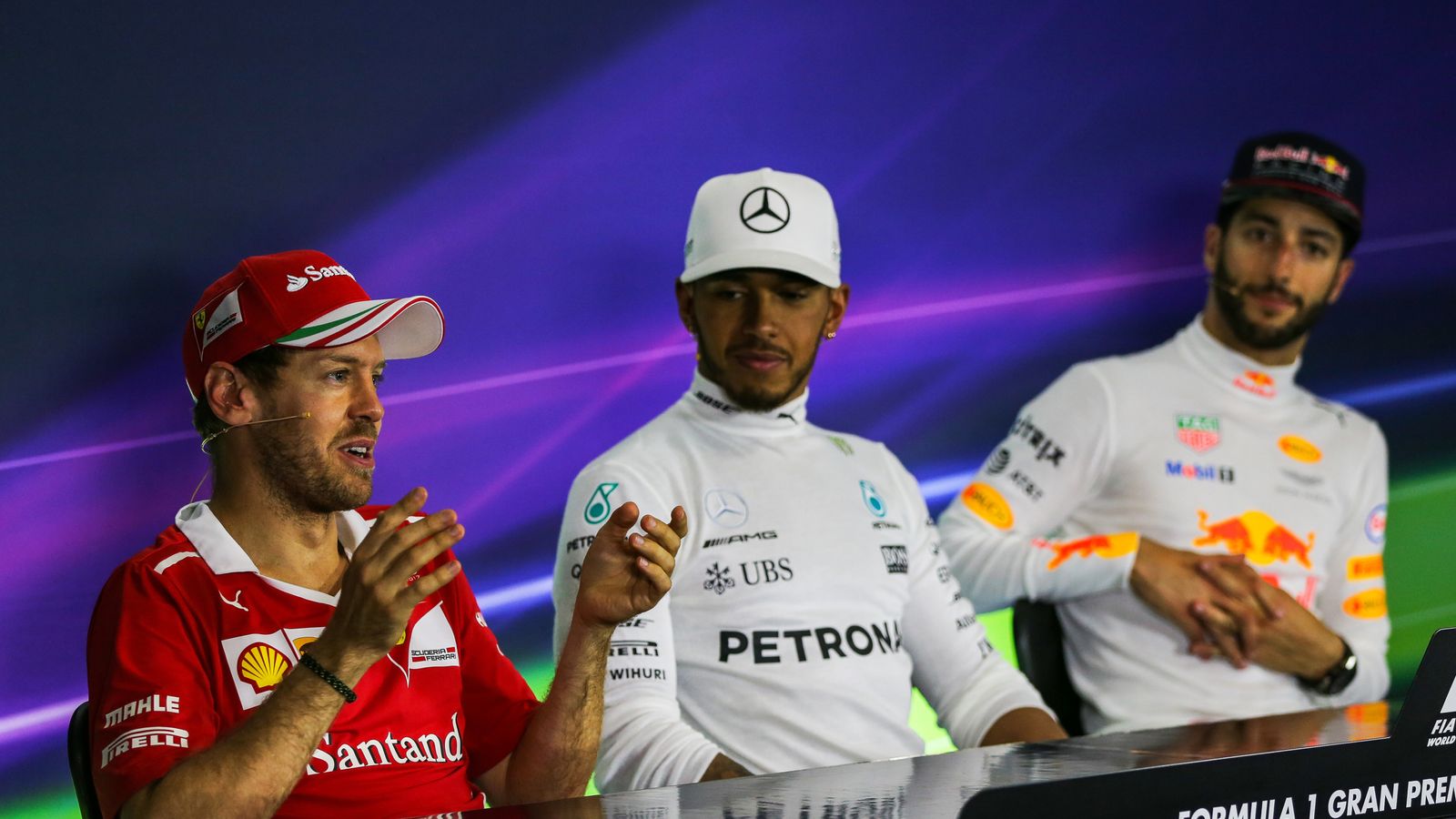 Statistical Performance That Demands Attention
Looking strictly at the numbers, Vettel’s 2017 season was impressive. Over 20 races, He’secured five victories and was on the podium 13 times, showcasing dominance, particularly in the middle part of the season. His ability to convert qualifying positions into strong race finishes often put him in a favorable points position, underscoring his racecraft.
When compared to other title contenders, Vettel’s results were often comparable or superior in certain phases of the championship, including several head-to-head battles against Lewis Hamilton, the eventual champion. These stats reveal that Vettel was not just a competitor but a formidable title challenger deserving of more credit. 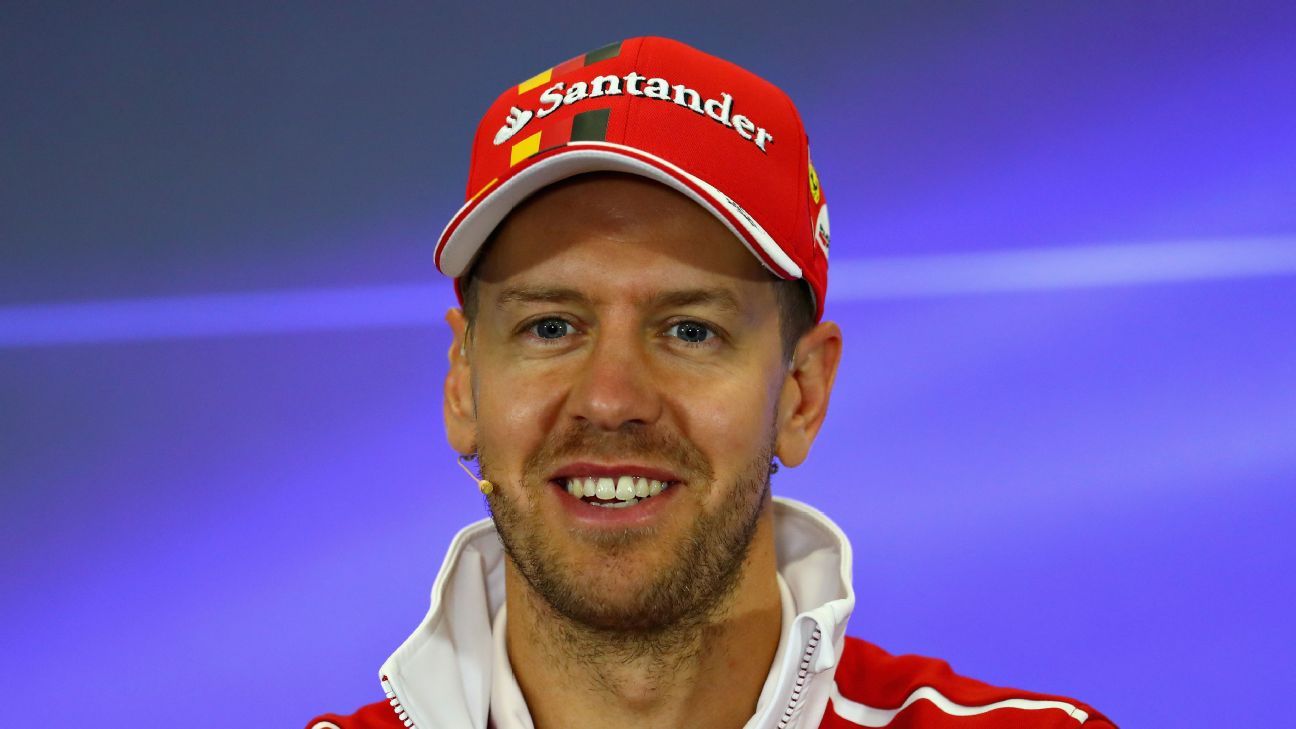 Challenges and Setbacks: The Thin Line Between Winning and Losing
No championship run is without its hurdles, and for Vettel, 2017 was no exception. Small errors, mechanical failures, and strategic missteps cost him valuable points. The tipping point often hinged on razor-thin margins, where a moment s miscalculation could change the course of the title chase.
For instance, the infamous Singapore GP, where Vettel made contact with Hamilton, losing critical ground, is often cited as a pivotal moment. However, beyond public perception, these instances highlight how unpredictable and nuanced F1 racing truly is, underscoring how closely matched Vettel was with his rivals. His resilience in bouncing back after setbacks further illustrates the caliber of his season.
The Broader Impact: How Vettel Pushed Ferrari and F1 Forward
Beyond individual statistics, Vettel’s 2017 season contributed significantly to Ferrari’s resurgence as a top-tier team. His feedback and development input helped refine the car and team strategies in ways that resonated into future campaigns. This symbiotic relationship between driver and team is often underplayed when simply viewing championship tallies.
Moreover, Vettel’s fighting spirit and visible passion rekindled the Ferrari fanbase s hopes and reminded the F1 community of the fine line between winning and losing in the sport. His performances elevated the competition, forcing rivals to improve continuously. 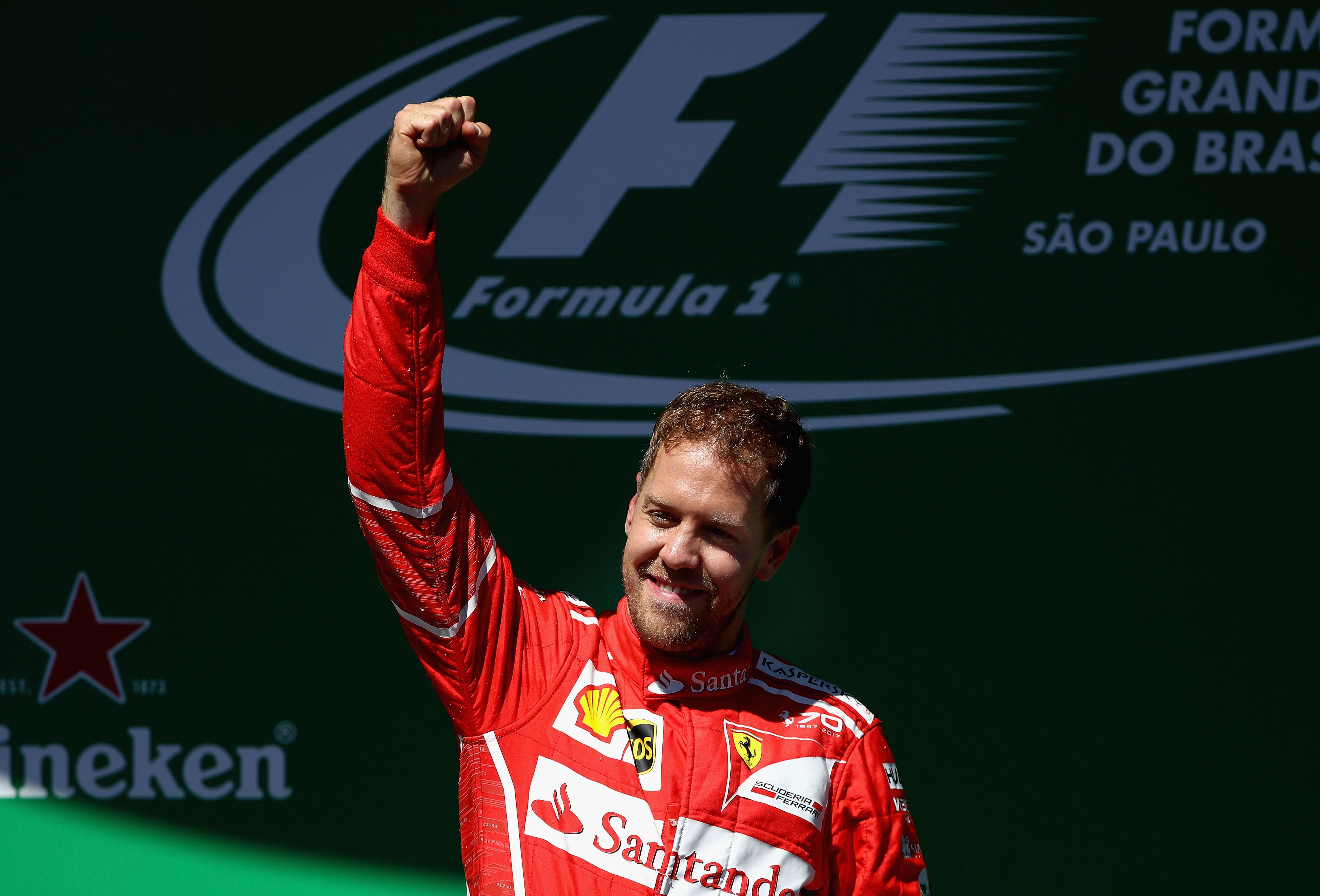 Conclusion
Looking back at Sebastian Vettel’s 2017 campaign reveals a driver whose consistency, skill, and determination arguably deserved more than the silver medal that year. His stats confirm not just a competitive season but a near-championship-winning run that was thwarted by factors often beyond sheer driving talent. Appreciating Vettel’s 2017 journey challenges us to reconsider what it means to succeed not only by checkered flags but by the broader impact a driver has on their team and the sport. In this light, Vettel’s 2017 season is a testament to excellence, resilience, and the complex fabric of Formula 1 racing.


// Discussion