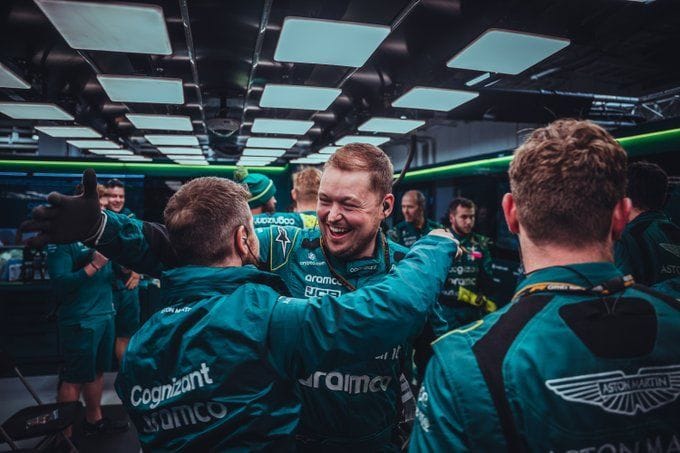
In the high-octane world of Formula 1, team dynamics can often resemble a finely tuned engine each component working in perfect harmony or threatening a breakdown with the slightest misalignment. One of the most fascinating chapters in recent F1 history revolves around Sebastian Vettel’s departure from Aston Martin and how it paradoxically accelerated the team s rise to prominence. This article dives deep into why Vettel’s exit didn’t dim Aston Martin s spotlight but instead acted as a catalytic spark, transforming the team into a top competitor on the F1 grid. Join us as we explore this intriguing transformation, using vivid metaphors and vivid storytelling to illuminate the unique appeal of Aston Martin s renaissance.
The Fossil Fuel of Experience: Vettel’s Storied Legacy at Aston Martin
Every race team needs the spark of experience to get off the starting grid smoothly, and Sebastian Vettel was that ignition source for Aston Martin in his final years with them. Entering the period with a legacy built on four World Championships and an ironclad reputation, Vettel was a seasoned rocket engine, packed with knowledge and raw talent. Yet, in a sport where innovation and youth often bring fresh fuel to the fire, Vettel’s role began to feel like a machine running on old gas valuable, yet somewhat limiting in terms of adaptability and rapid growth.
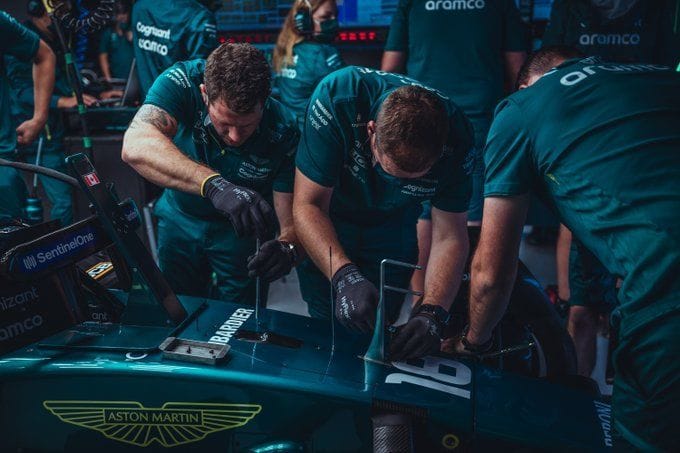 During those last two years, Vettel’s presence was a double-edged sword. On one hand, his feedback molded early car development stages and helped the team avoid rookie pitfalls. On the other hand, the team was in a state of flux, trying to balance legacy racing philosophies with the pressure to innovate. This balancing act often led to subtle friction not of conflict, but of contrasting visions for the future.
Shifting Gears: Why Vettel’s Departure Revved Up Aston Martin
Think of Vettel’s departure as a bold pit stop during a grueling Grand Prix. Just as mechanics in the pit crew swiftly replace worn tires and refuel with precision, Aston Martin used Vettel’s exit as an opportunity to overhaul their strategy, technology, and team dynamics. Without the gravitational pull of past triumphs anchoring their decisions, Aston Martin s leadership took a more adventurous approach, embracing risk, and welcoming fresh perspectives that aligned with modern F1 demands.
Removing a four-time World Champion from the lineup was never going to be easy, but Aston Martin treated this moment less like a loss and more like shedding an old shell. The team was now free to experiment with new driver lineups, recalibrate engineering priorities, and in particular, accelerate their pursuit of dynamic partnerships and sponsorships one standout example being the critical Aramco deal.
 The partnership with Aramco brought powerhouse financial backing and an injection of resources that fueled Aston Martin s ambitions significantly. More money meant more development, smarter technology, and the ability to compete consistently at the sharp end of the field. Without the formula of the past dictating the pace, Aston Martin leaned on such savvy business strategies, strengthening their foundation like a supercar chassis engineered for unparalleled performance and agility.
From Pit Lanes to Podiums: The Fresh Driver Ecosystem
The exit of a driver like Vettel opened the door for emerging talents and fresh teamwork dynamics, akin to upgrading a car s engine from reliable but aging cylinders to a cutting-edge, turbocharged power unit. Aston Martin infused their driver lineup with new energy and hunger drivers ready to embrace the future rather than dwell in the legacy.
These fresh faces brought with them a blend of technical curiosity, adaptability, and a hunger to prove themselves, all vital ingredients for a team aspiring to break into the elite tier. The absence of a towering figure like Vettel gave these drivers room to develop without being overshadowed, creating an environment bubbling with ambition and innovation a garage buzzing not with echoes of the past but the accelerated hum of a new era.
A Symphony of Precision: Engineering Evolution Post-Vettel
Vettel’s departure was not merely a shift in personnel but a strategic pivot that rippled through Aston Martin s engineering philosophy. The team s technical crew began to treat the car as a symphony orchestra rather than a one-man show. Earlier, designs and setups catered explicitly to Vettel’s driving style, effectively tuning the car to a single maestro s preferences.
Like a conductor welcoming new instruments and notes, Aston Martin engineers embraced diverse driving feedback, experimenting with innovative aerodynamic concepts and powertrain optimizations. This harmonious blend of flexibility and precision engineering allowed the team to refine their cars to be more versatile and competitive across different circuits and race conditions.
With Vettel’s departure creating space for broader experimentation, Aston Martin accelerated its R&D efforts, enhanced simulation technologies, and maximized its partnership leverage turning the team from a well-oiled but conservative machine into a high-performance instrument of speed and strategy.
Conclusion: Vettel’s Departure as the Catalyst of Aston Martin s Ascent
In the world of Formula 1, where split-second decisions and marginal gains define legacies, Sebastian Vettel’s departure from Aston Martin was less a closing chapter and more of a transformative pivot. Much like a phoenix rising from the ashes, the team shed an old identity tethered to past glories and embraced a fearless future driven by innovation, fresh talent, and strategic partnerships like Aramco.
Vettel’s exit was the critical pit stop Aston Martin needed to upgrade its machinery, reset its ambitions, and embrace the turbocharged potential that now powers its climb up the F1 hierarchy. The story isn’t about losing a legend; it’s about how that departure unlocked a new era turning Aston Martin from a dependable contender into a scintillating frontrunner, racing confidently toward the checkered flag of glory.

// Discussion